Pilots flying VVIP charters, including those carrying Z-plus protectees and top constitutional authorities, can now refuse to operate flights if conditions are unsafe. The move comes after the Directorate General of Civil Aviation (DGCA) issued fresh guidelines following a fatal crash earlier this year.
New rules after fatal crash
The revised norms were announced after Maharashtra Deputy Chief Minister Ajit Pawar and four others died in a small aircraft crash in January. The DGCA said past incidents involving flights to remote airstrips and temporary helipads had often revealed lapses in safety protocols.
Also Read | What happens when a plane is put on ‘hold’? Mamata Banerjee’s flight delay decoded
Highlighting these concerns, the regulator noted that such flights, frequently used during election campaigns, have seen violations of operational instructions, putting safety at risk. The new guidelines aim to address these gaps and strengthen accountability across all stakeholders, reported The Times of India.
Pilots get final say on safety
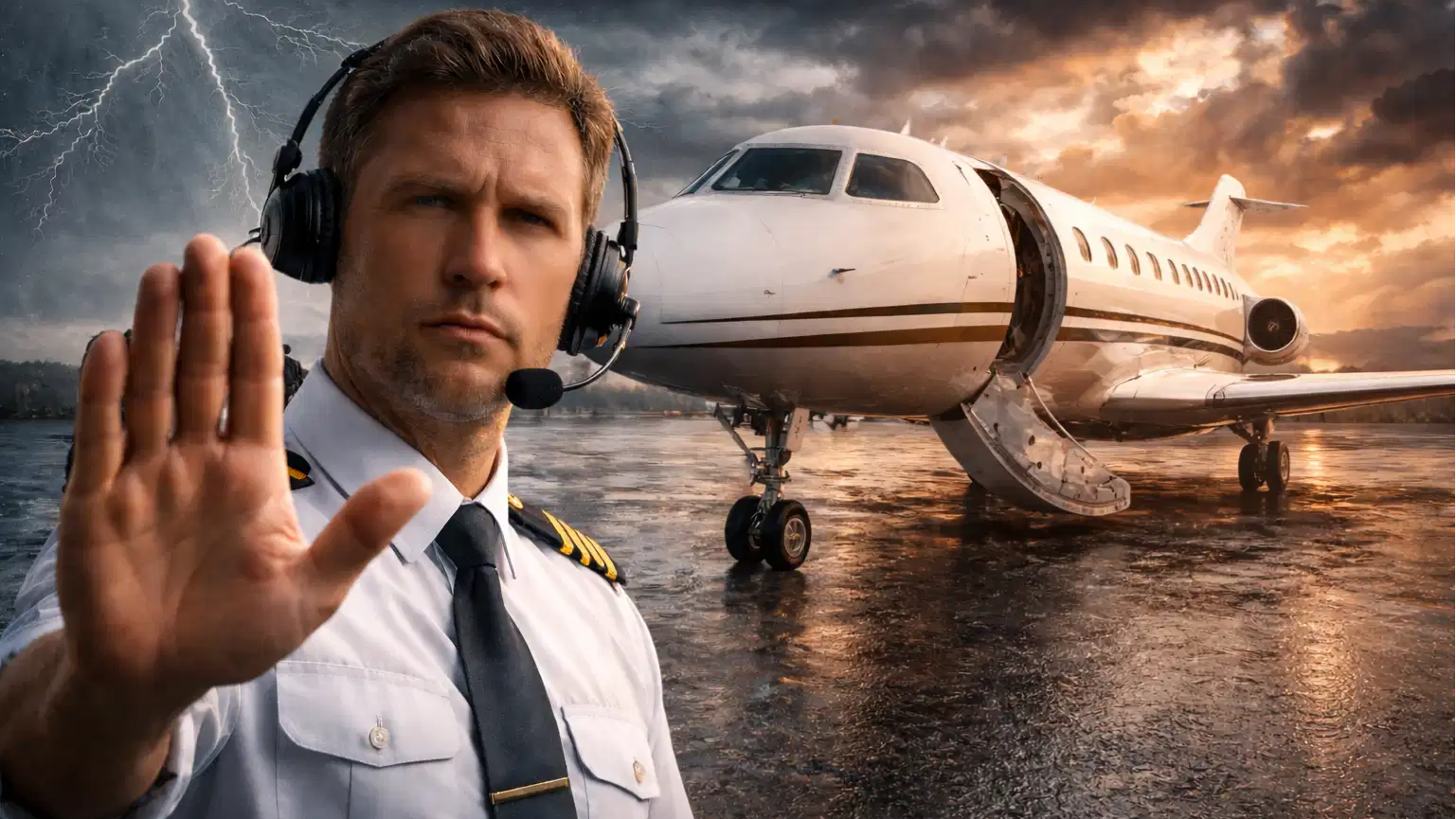
A key change is the clear authority given to pilots to refuse flights if they believe conditions are unsafe. The DGCA has stated that flight crew must not face "undue pressure" to operate under risky circumstances, stated TOI in its report.
"...flight crew (should not be) subjected to undue pressure for undertaking a flight which may impact safety of operations. Any last-minute changes to the planned flight due to VIP requirements should be coordinated through the organisation’s management only, and not directly with the crew," the new rules said, reported TOI.
It has also directed that any last-minute changes due to VIP requirements must be routed through organisational management, not communicated directly to the crew. This is intended to prevent pressure on pilots, especially in situations involving tight schedules or political commitments.
A senior charter operator said the rules provide long-needed backing. "Now we can say no if it is not safe, whether due to weather or any other factor," the operator was quoted as saying by TOI, adding that responsibility for safe operations must be shared by everyone involved.
Stricter aircraft and crew norms
The DGCA has mandated that VVIP flights be operated only by well-maintained aircraft or helicopters, with all reported defects rectified. It has also specified the use of twin-engine aircraft with a minimum of two crew members and strong operational capability.
Experienced pilots will be required for such operations, reinforcing the focus on safety in high-profile flights.
Mandatory pre-flight checks
The guidelines also introduce stricter pre-flight requirements. At least 24 hours before departure, authorities must ensure that suitable helipads or airstrips are available.
Also Read | Mid-air scare: Air India London flight turns back after 7 hours due to technical snag
For remote or uncontrolled locations, district authorities must issue landing permissions or no-objection certificates. State and district administrations are also required to provide details on landing conditions, including coordinates, security arrangements, and fire and rescue facilities.
The DGCA said these steps are necessary to ensure the highest safety standards for flights carrying dignitaries.