West Bengal is witnessing a high-stakes electoral battle in 2026, with the first phase of voting already completed and the second phase set to take place tomorrow, on April 29. Over the last few months, Bengal has been buzzing with intense campaigning, from roadshows and rallies to carefully-crafted visuals, slogans and digital outreach shaping voter perception.
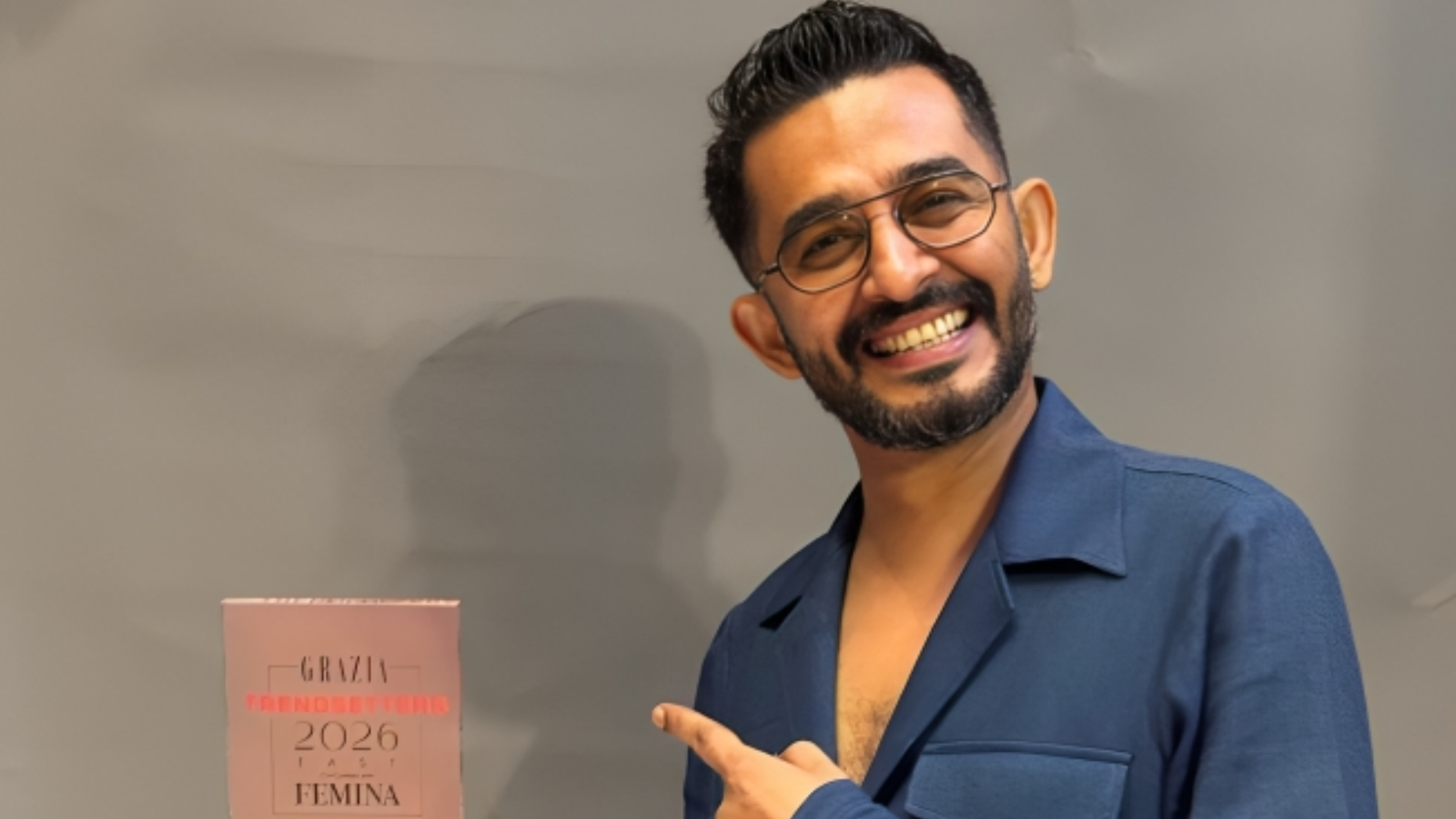
Amid this charged political atmosphere, in an exclusive conversation with News Ei Samay, fashion designer and stylist Sandip Jaiswal shares his insights on political branding, visual storytelling and how campaign design shapes voter perception and trust.
Jaiswal sees a clear connection between design and politics. For him, campaign branding is not just about visuals but about storytelling that shapes public perception.
“As a fashion designer, I see political branding as visual storytelling. Colours, attire, symbols and presentation shape public perception and create trust,” he says.
He believes that in the current election season, effective campaign design must focus on clarity, cultural connection and authenticity. According to him, these elements make leadership appear “relatable, memorable, and credible”.
Also Read | 'I have no connection with any political party': Jeet breaks silence on viral post row
Design as a tool for trust
Jaiswal emphasises that design plays a deeper role than just aesthetics. It influences how people emotionally connect with a political party.
“Design goes beyond aesthetics. It shapes first impressions and emotional connection,” he explains. “The way a political party presents itself through visuals, colours, communication and overall consistency can make it feel more trustworthy, approachable and relatable.”

He adds that strong and consistent design builds confidence among voters, while authenticity strengthens the connection with the message.
Call for authentic storytelling in Bengal
Speaking about Bengal’s political landscape, Jaiswal highlights the need for more grounded and honest communication.
“As both a voter and a creative professional, I would like to see more honest, culturally rooted and people-sentric storytelling,” he says. He stresses that visuals should reflect “real lives, local identity, and genuine public concerns rather than just loud promotion”.

For him, dignity in presentation and clear messaging create a stronger and more lasting impact than exaggerated campaigning.
Local connection vs larger leadership
On what influences his voting decision, Jaiswal points to the importance of both local and central leadership, with a slight tilt toward grassroots connection.
“Local candidates create the stronger personal impact. Their work, accessibility, and understanding of local issues build real trust,” he notes. At the same time, he acknowledges that larger party leaders help define the broader vision and direction.

'Actions matter more than promises'
Jaiswal believes voters today are more focused on results than rhetoric.
“Promises still matter, but today actions matter more,” he says. “People pay closer attention to what has been delivered rather than what is only being promised.”
“Trust comes from consistency and visible work, not just strong speeches,” he says, adding that campaign promises “create hope, but real credibility is built when those promises turn into results".

Also Read | Fairy Khel set to bring a fresh wave of storytelling with friendship and magic
What drives voters today
Observing voter behaviour, he sees a blend of factors shaping decisions.

“People vote through a mix of development, identity, and habit,” he explains, adding that awareness is growing and development along with accountability, is becoming more central to decision-making.