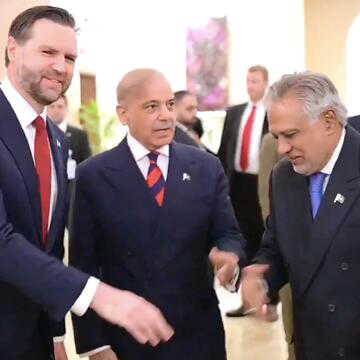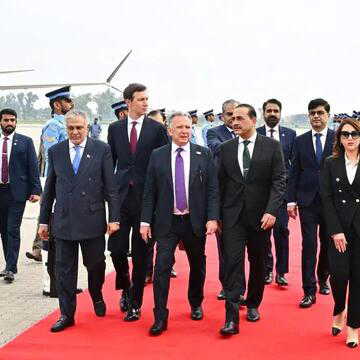
Efforts to ease tensions between Iran and the United States hit another roadblock as high-level negotiations in Islamabad concluded without an agreement. The discussions, facilitated by Pakistan and stretching for nearly 14 hours, ended with the US delegation returning home empty-handed.
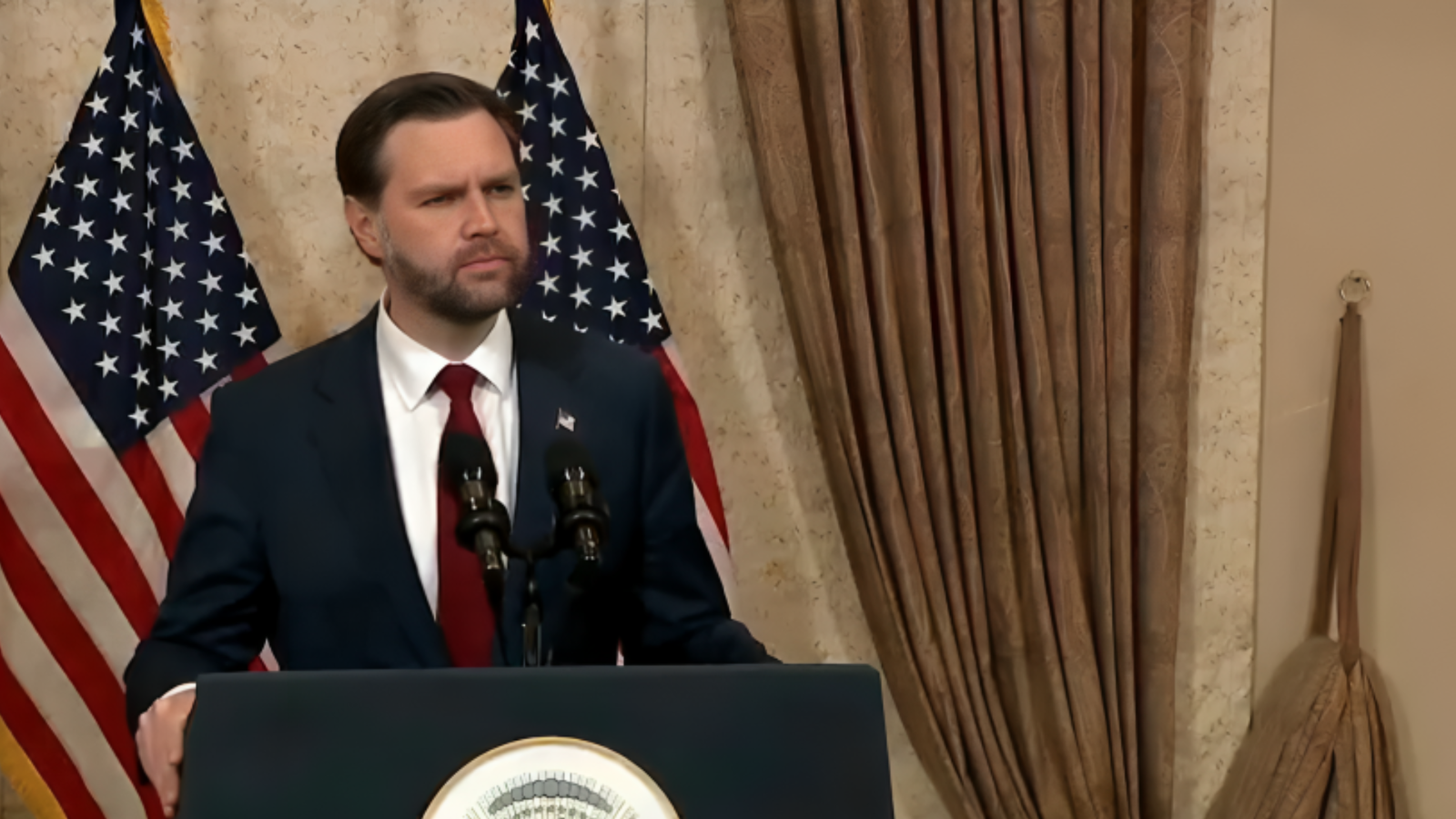
US Vice President and chief negotiator JD Vance confirmed the outcome at a press briefing on Sunday morning, stating the team was heading back “without a deal.” While he refrained from sharing specifics, Vance made it clear that Washington viewed the outcome as more damaging for Tehran.
“We are not going to negotiate in public after we just did that in private for 21 hours,” Vance said.
US stance: ‘Final and best offer’
Despite the deadlock, Vance described parts of the dialogue as constructive. “The good news is that we had a number of very substantive discussions,” he said, before adding, “The bad news is that we have not reached an agreement and I think that’s bad news for Iran much more than it's bad news for the United States of America.”
Also Read | Who is Mohammad Bagher Ghalibaf? Iran’s key figure in Islamabad negotiations
Reiterating Washington’s core demand, he said, “We need to see an affirmative commitment that they will not seek a nuclear weapon, and they will not seek the tools that would enable them to quickly achieve a nuclear weapon.”
.@VP in Islamabad, Pakistan: "We’ve had a number of substantive discussions with the Iranians. That’s the good news. The bad news is that we have not reached an agreement — and I think that’s bad news for Iran much more than it's bad news for the United States of America." pic.twitter.com/RLIQ30btO5
— Rapid Response 47 (@RapidResponse47) April 12, 2026
Vance also maintained that the US had shown flexibility during the negotiations. “We were at the table with a simple offer, a method of understanding. That is our final and best offer,” he said.
Iran signals deep mistrust
Tehran’s response reflected long-standing scepticism toward US intentions. Foreign ministry spokesperson Esmail Baghaei pointed to past grievances, saying Iran would not overlook “America's breach of promises and misdeeds.”
He stressed that progress would depend on the other side’s approach. “The success of the diplomatic process depends on the seriousness and goodwill of the other side, and refraining from excessive and illegal demands,” Baghaei said.
Also Read | What is Air Force Two? Here's why JD Vance flew into Islamabad under a special call sign
He added that Iranian negotiators were using “all their strength, experience, and knowledge to protect Iran's rights and interests.”
According to Baghaei, the talks covered multiple contentious issues, including “the Strait of Hormuz, the nuclear issue, war reparations, the lifting of sanctions, and a complete end to the war against Iran and the region.”
Strait of Hormuz tensions linger
Earlier indications suggested disagreements over the Strait of Hormuz played a key role in prolonging the stalemate. Iranian state media reported that another round of talks could still be on the table, though no immediate breakthrough was in sight.
The outcome leaves the fragile diplomatic process uncertain, even as both sides signal willingness to continue discussions.