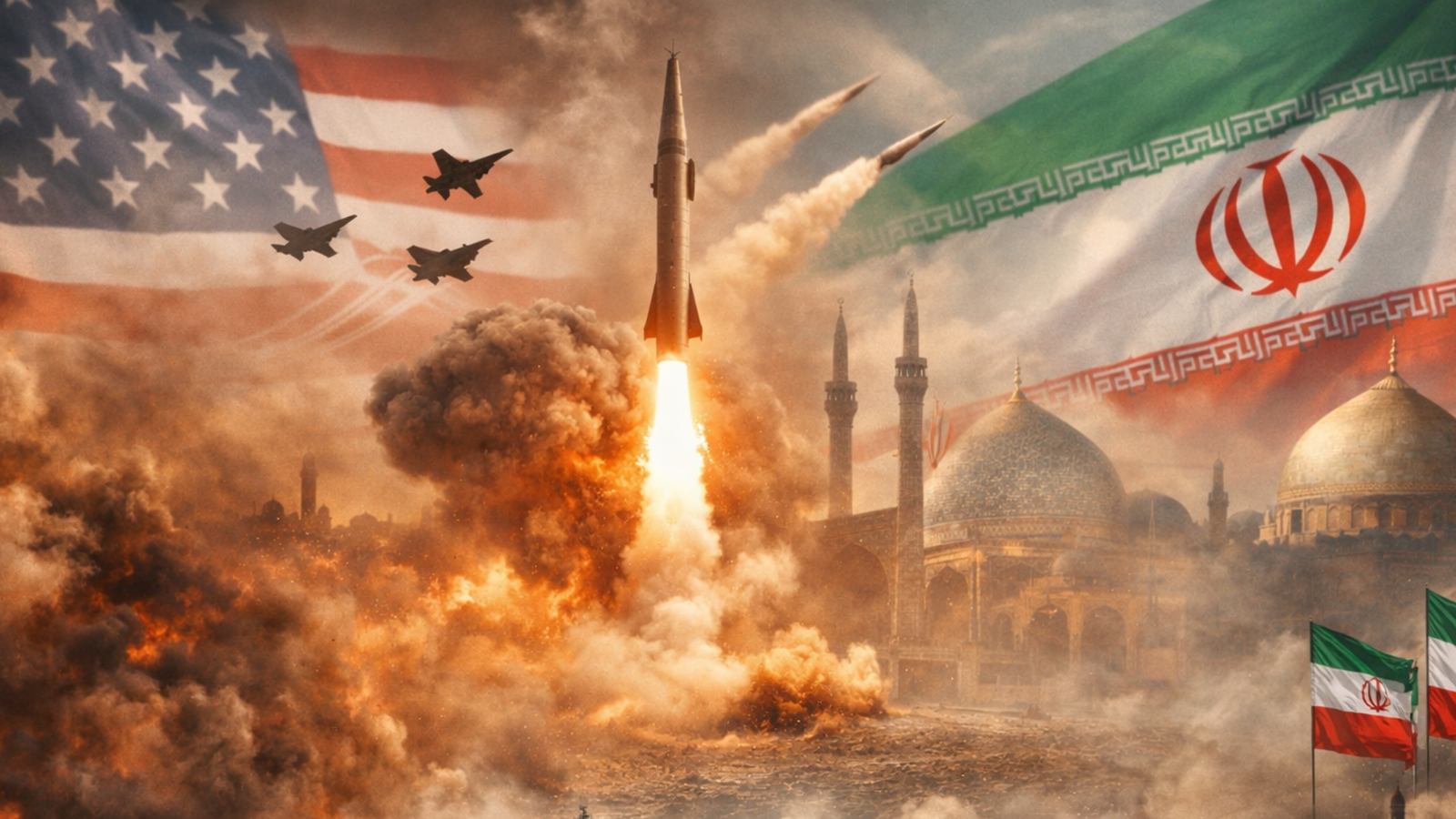
The Iran-US ceasefire is already under pressure, with fresh violence in Lebanon threatening to derail the fragile pause. Tehran has accused the US and Israel of violating three key clauses of the agreement, even as Israeli strikes intensify and tensions spill beyond the original scope of the deal.
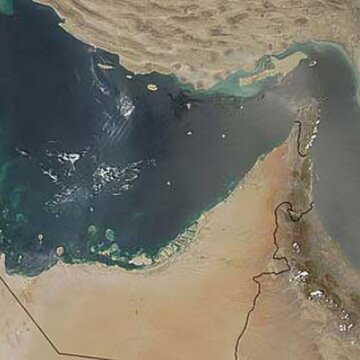
The situation escalated after Iran moved to close the Strait of Hormuz again, citing continued Israeli strikes in Lebanon. The waterway, a critical global oil route, has become a pressure point in the standoff. The United States has called the move “completely unacceptable” and has demanded that the passage be reopened to prevent further disruption and keep negotiations on track.
Iran flags three violations
Iranian officials say the ceasefire terms have already been breached on multiple fronts. The first concerns Lebanon, which Tehran insists was included in the scope of the truce. However, Israeli military operations against Hezbollah have intensified instead of easing.
Also Read | Iran shuts Strait of Hormuz after Israel launches 100 strikes in Lebanon in 10 minutes
The second issue relates to an alleged drone incursion into Iranian airspace after the ceasefire came into effect. The third point of contention is Washington’s refusal to accept any Iranian uranium enrichment capability in a final agreement.
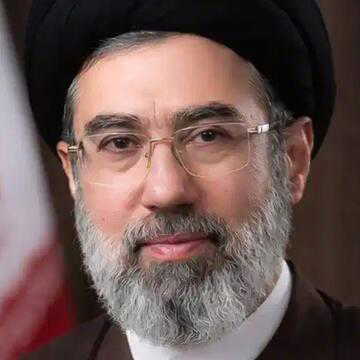
Iran’s parliament speaker said planned talks under such conditions were “unreasonable,” arguing that the basis for negotiations had been undermined.
Lebanon at the centre of escalation
Even as the Iran-US front saw a pause, Lebanon has turned into the main flashpoint. Israeli forces carried out one of their largest coordinated offensives, striking multiple locations in Beirut as well as in the Bekaa Valley and southern Lebanon.
According to Lebanon’s civil defence, at least 254 people have been killed and more than 1,100 injured. Most casualties were reported in the capital. Israel has defended the strikes by accusing Hezbollah of operating from civilian areas, a claim disputed by residents and local officials.
Key infrastructure has also been targeted. A major bridge over the Litani River was hit, cutting off access to southern Lebanon. Israeli officials described the area as “disconnected from Lebanon” and indicated plans to establish a buffer zone.
Also Read | What led to the US-Iran ceasefire? Breaking down Iran’s 10 demands
Dispute over scope of ceasefire
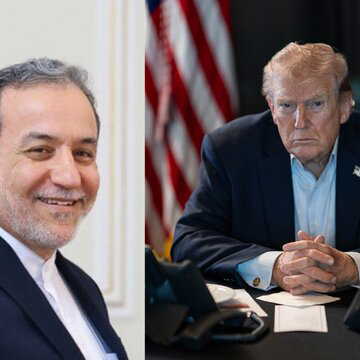
A core disagreement remains whether Lebanon was part of the ceasefire. Iran has maintained that the agreement applies across all theatres of conflict. “The world sees the massacres in Lebanon,” Iranian Foreign Minister Abbas Araghchi said. “The ball is in the US court, and the world is watching whether it will act on its commitments.”
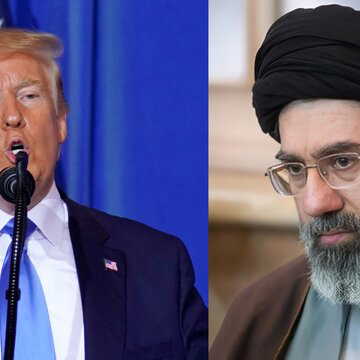
However, both US President Donald Trump and Israeli Prime Minister Benjamin Netanyahu have said the truce does not extend to Lebanon. The conflicting interpretations have added to uncertainty around the deal.
Both sides continue to present the ceasefire as a success. US Defence Secretary Pete Hegseth described it as a “capital V military victory,” while Iran said it had forced its adversaries to accept its conditions.