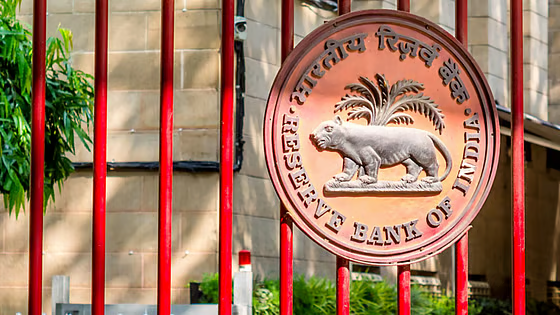
The Reserve Bank of India (RBI) has outlined an ambitious roadmap for the country’s payments ecosystem, signalling the possible introduction of electronic cheques and wider regulation of digital platforms as part of its ‘Payments Vision 2028’ document.
According to a report by PTI, the central bank said it will explore the concept of e-cheques to blend the familiarity of paper-based instruments with the efficiency of digital systems. “To leverage the unique benefits of paper-based instruments and the speed and reliability of electronic payments… the introduction of electronic cheques in India shall be explored,” the RBI said in the document.
RBI eyes wider regulatory net for digital platforms
Along with product innovations, RBI is also planning to expand the scope of its regulations. The RBI has pointed out the increasing role of e-commerce platforms and digital platforms in facilitating transactions in the country and has stated that the operations of these platforms have implications for the stability of the payments ecosystem.
Also Read | VIPs can't force flights anymore—new aviation rules empower pilots
“These aspects shall be examined in detail and, if required, the scope of direct regulations shall be extended,” the RBI said. The move signals a potential shift in how large digital intermediaries are governed as they increasingly influence payment flows in India.
Focus on fraud prevention, user control
The Payments Vision 2028 document places significant emphasis on strengthening safeguards in the digital payments space. Among the proposals is a “shared responsibility framework” that could make both issuing and beneficiary banks liable in cases of unauthorised transactions.
The RBI is also considering giving users greater control by allowing them to enable or disable different modes of digital payments, similar to existing card controls.
Also Read | ‘Magnificent 7’ lose $1.7 trillion as US-Iran conflict rattles global markets
To improve traceability and security, the central bank plans to introduce a Domestic Legal Entity Identifier (DLEI) framework and a Cyber Key Risk Indicators (KRI) system for non-bank payment operators.
Interoperability, cross-border efficiency in focus
The roadmap has also mentioned efforts being made towards improving interoperability between platforms. The RBI is looking at improving systems like the Trade Receivables e-Discounting System, or TReDS, and is looking at introducing a ‘Payments Switching Service’ to make it easier for customers to switch between service providers.
In addition, the central bank intends to review cross-border payment mechanisms, making them more efficient, and simplifying the authorisation process. Improvements related to tokenisation, transparency, and payments data are also being considered as part of the overall roadmap.