The investigation into the NEET-UG 2026 paper leak has uncovered fresh concerns over the internal paper-setting and translation system used by the National Testing Agency (NTA).
According to people familiar with the probe, two NTA subject experts arrested by the Central Bureau of Investigation were not only involved in preparing questions for the examination but were also assigned to translate the Marathi version of the paper, giving them access to the final chemistry and biology sections before the exam.
Investigators are now examining whether the multi-layered translation process itself became a major vulnerability in the examination system.
Also Read | JEE Advanced students can download the answer key now: Here's how
Arrested experts had access to all chemistry and biology questions
The officials of CBI detained biology expert Manisha Gurunath Mandhare from Pune’s Modern College of Arts, Science and Commerce on May 16. As per the investigation, Mandhare translated 90 questions in biology, which included 45 questions from the subjects of botany and zoology respectively, into Marathi.
VIDEO | Delhi: Accused Manisha Mandhare sent to 14 days of CBI custody in connection with the NEET-UG 2026 paper leak case.
— Press Trust of India (@PTI_News) May 17, 2026
Visuals of the accused being taken away from the Rouse Avenue Court.
(Full video available on PTI Videos - https://t.co/n147TvrpG7) pic.twitter.com/ncvguqOrAx
PV Kulkarni, who retired from the job of chemistry lecturer at Dayanand Junior College, has been detained by officials on May 15. The accused has been charged with translating 45 questions of chemistry. It is alleged that both the experts gained access to all 135 questions from the sections of chemistry and biology, besides access due to their role in paper-setting.
“Apart from three or four subject experts who prepare the paper, the process of setting question papers in English and 12 regional languages involves two separate sets of translators,” a person aware of the probe said. “One translates the paper into regional languages and another independently translates it back into English to verify accuracy.”
Translation system under scrutiny
The mechanism for the verification process is now thought to have inadvertently expanded the access to the confidential examination paper.
This was because both the arrested individuals were Marathi speakers and therefore claimed to be a part of the process of translating the exam into other languages besides those who were translating it into the regional languages.
As a result of the back-translation process, the paper became accessible to more people before the examination took place. Presently, NTA holds the NEET-UG exam in 13 languages, English, and 12 regional languages. The authorities investigating the case claim that the translation process, along with the contractual staff, has become an important area of focus now.
Maharashtra connection draws attention
The investigation has also revealed a noticeable Maharashtra connection in the arrests made so far. Out of the 10 people arrested by the CBI in connection with the paper leak case, six are reportedly from Maharashtra.
Also Read | UGC NET 2026 registration ending tomorrow: Here’s everything candidates must check
Investigators are now examining whether the concentration is linked to specific operational or translation-level access within the examination process. CBI officials told HT that the “entire committee that set the paper and other senior officers of NTA are under the scanner.” The latest revelations are expected to intensify scrutiny over the security architecture of India’s largest medical entrance examination, which is taken annually by millions of students across the country.
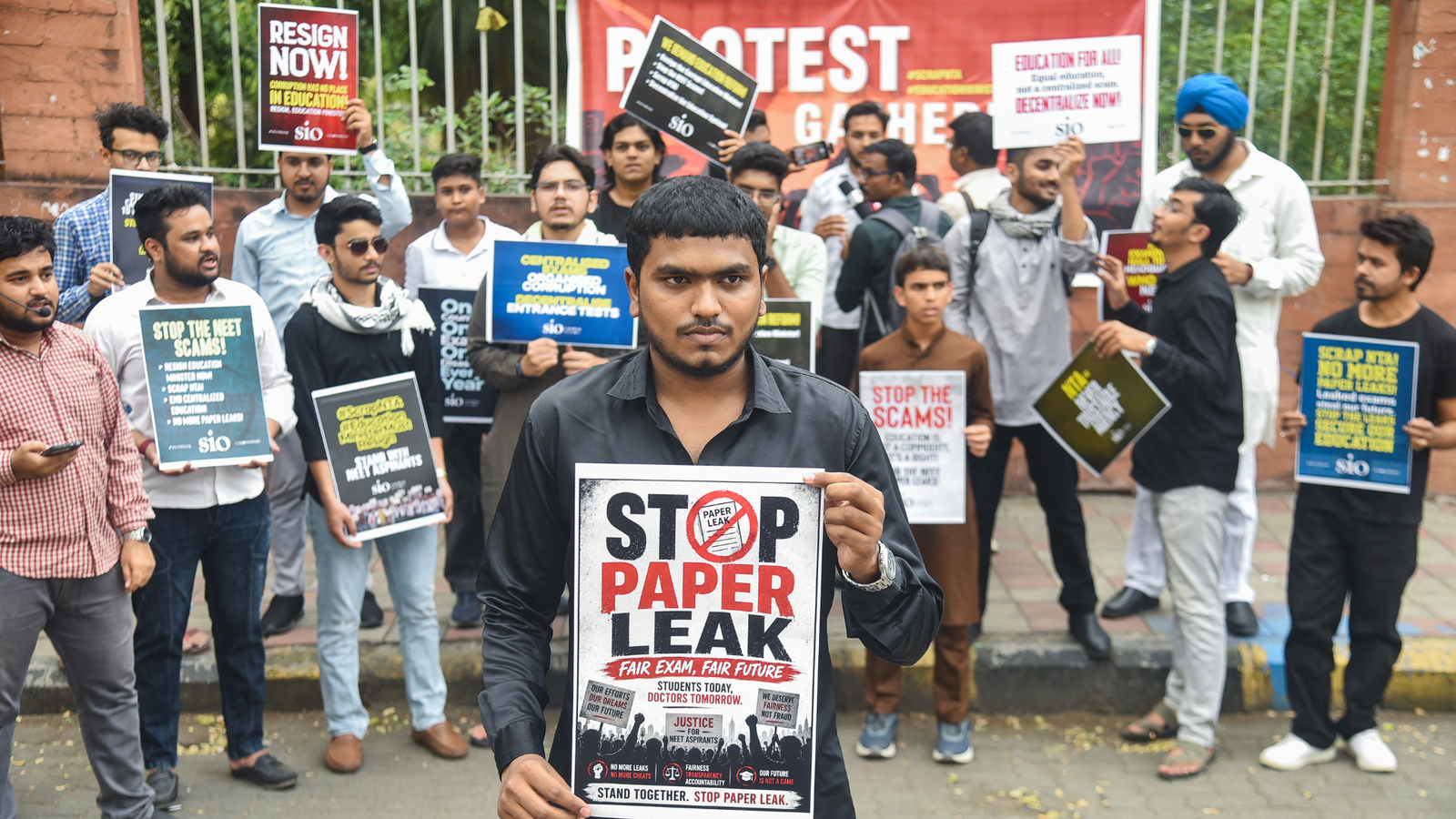
The paper leak controversy had already triggered nationwide protests and political criticism over examination integrity, transparency and accountability inside the NTA system.