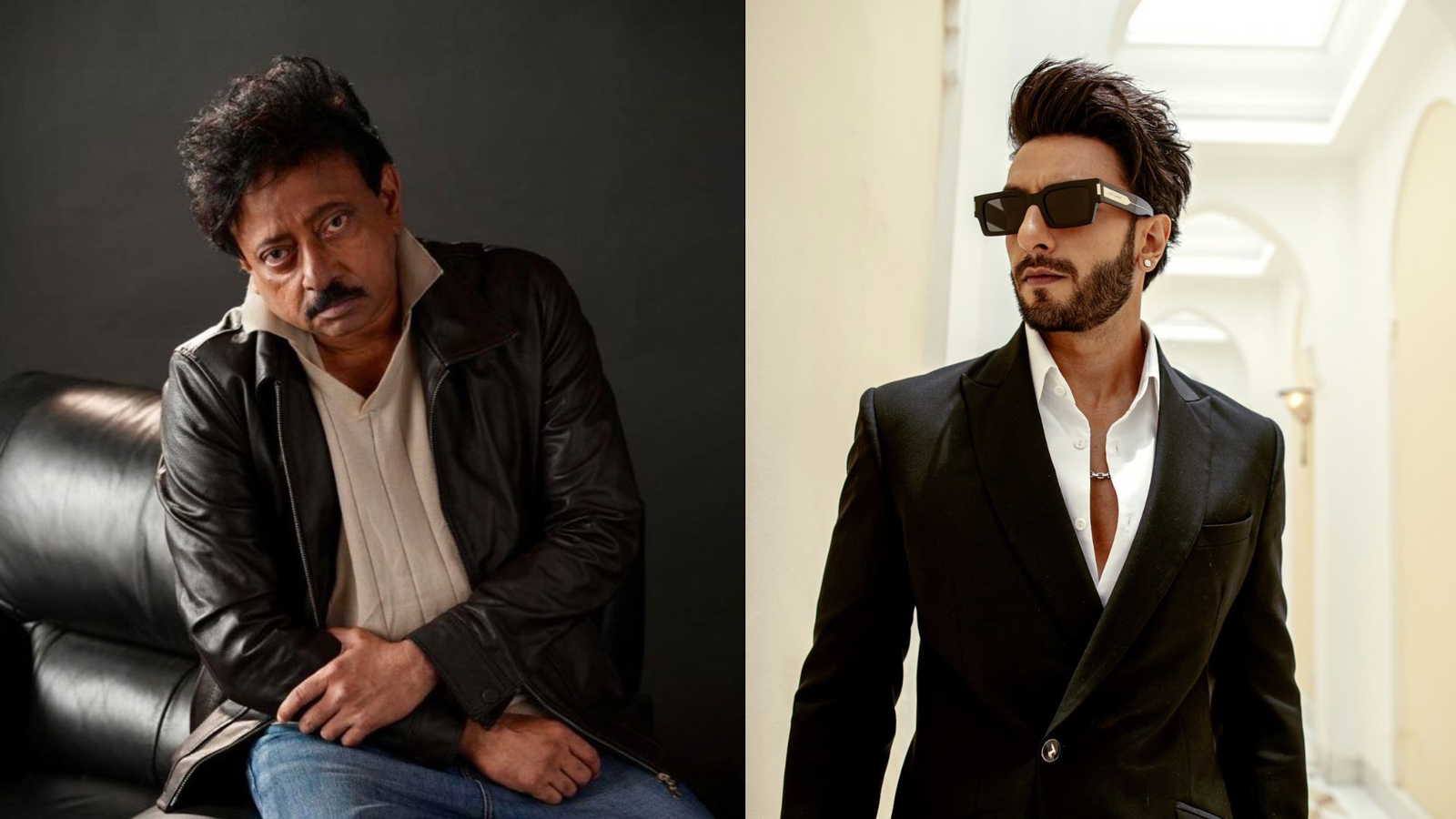
The dispute surrounding Ranveer Singh's reported exit from Don 3 has widened into a larger debate about the role of film industry bodies after filmmaker Ram Gopal Varma launched a strong attack on the Federation of Western India Cine Employees (FWICE), accusing it of exceeding its mandate.
FWICE recently issued a non-cooperation directive against Ranveer Singh after alleging that the actor failed to respond to multiple notices seeking his explanation regarding his departure from the Farhan Akhtar-directed project. The action followed a complaint from the filmmakers, who reportedly claimed that the actor's exit resulted in significant financial losses during pre-production.
Reacting to the development, Varma took to social media and argued that the matter was essentially a civil dispute between two parties and should not be adjudicated by an industry body.
Also Read | Karan Johar unfollows Bollywood celebrities, calls it 'digital detox'
"Ban FWICE and not Ranveer Singh," Varma wrote, adding that such interventions risk making the federation appear disconnected from the realities of the modern film industry.
Varma questions FWICE's authority
In a series of posts, the filmmaker said FWICE was neither a judicial body nor a government-recognised regulator empowered to deliver verdicts in contractual disputes.
Describing the federation as a "kangaroo court", Varma argued that disagreements between actors and producers should be resolved through legal channels rather than through public directives.
BAN FWICE and not @RanveerOfficial
— Ram Gopal Varma (@RGVzoomin) May 29, 2026
The so called BAN or non co operation in the style of Gandhiji , will eventually become a BIG FAT JOKE on FWICE
This isnt industry or worker protection, like they are claiming. It is just a pure performative muscle flexing , by an
He also defended the role of leading actors in the entertainment business, saying stars generate employment for thousands of workers across departments and remain central to the industry's economic ecosystem.
According to Varma, disputes involving contracts, scheduling and project exits should be settled directly between the concerned parties without affecting ongoing productions or industry workers.
Shobhaa De joins criticism
Author and columnist Shobhaa De also criticised the federation's move, suggesting the dispute had become a larger contest over power and control rather than a straightforward professional disagreement.
Drawing comparisons with other institutional controversies, De questioned whether FWICE should be involved in what she described as a matter between a producer and an actor.
She further argued that any prolonged stand-off could ultimately hurt technicians, crew members and workers who depend on film projects for employment.
According to De, legal remedies and negotiations would have been more appropriate avenues for resolving the dispute than a non-cooperation directive.
How the Don 3 dispute began
The controversy began after FWICE received a complaint regarding Ranveer Singh's reported withdrawal from Don 3 shortly before a major production schedule.
FWICE Chief Advisor Ashoke Pandit said the federation followed due process and sent multiple notices to the actor seeking clarification. According to the organisation, no response was received, prompting the non-cooperation directive.
Also Read | Amitabh Bachchan left in awe of 15-year-old cricket sensation Vaibhav Sooryavanshi
Following widespread criticism and reports describing the move as a "ban", Pandit later clarified that FWICE had not banned the actor. He stated that the federation lacks the authority to impose bans and had merely advised its members not to work with Singh until the dispute was resolved.
Meanwhile, Ranveer Singh's spokesperson issued a statement saying the actor continues to hold the film fraternity and the Don franchise in the highest regard. The statement added that Singh had deliberately chosen not to engage publicly with speculation and preferred to handle professional matters with dignity and mutual respect.
As the controversy continues to generate reactions from across Bollywood, the issue has evolved beyond a disagreement over Don 3, raising broader questions about industry accountability, contractual obligations and the limits of union intervention in creative disputes.