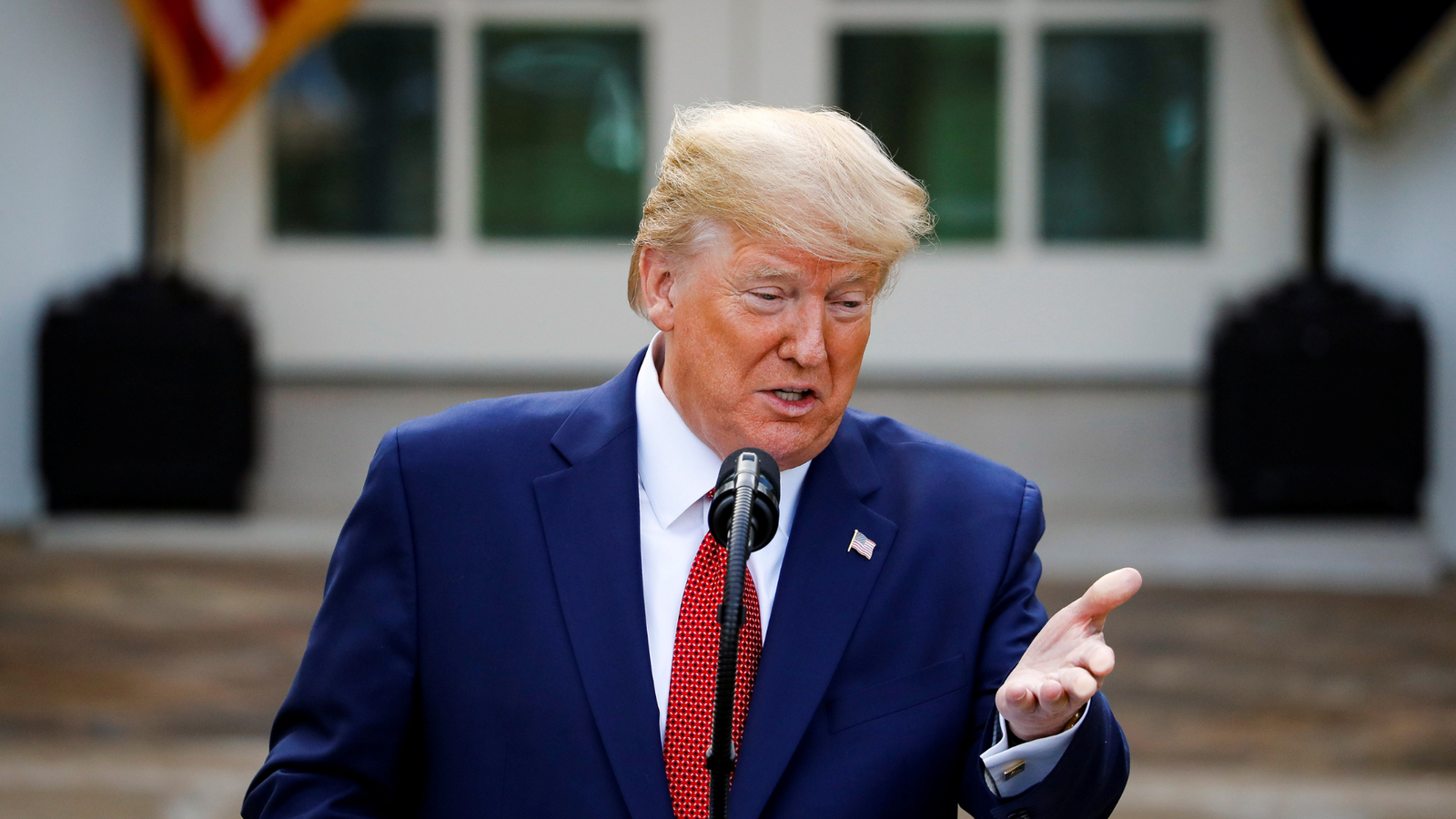
Trump said on Friday that he would make a “final determination” on the proposal after meeting aides in the White House Situation Room.
The plan under discussion would extend an early-April truce for another 60 days and give negotiators time to work toward a more permanent settlement. A White House official said the meeting lasted about two hours, but did not say whether a decision had been made, according to Reuters.
Also Read | What is Stalin's 40,000-bottle wine vault worth? Georgia is about to find out
🚨 NOW: President Trump has CONCLUDED his high-stakes Situation Room meeting on the Iran deal
— Eric Daugherty (@EricLDaugh) May 29, 2026
47 is barreling towards ONLY making a deal if it's best for America, rather than what Barack Hussein Obama did.
"We're told he wrapped up short time ago a very high-level meeting in… pic.twitter.com/aGI4jld73K
Trump's terms outpace Tehran's expectations
The terms Trump publicly outlined were far broader than what Iranian officials said was on the table.
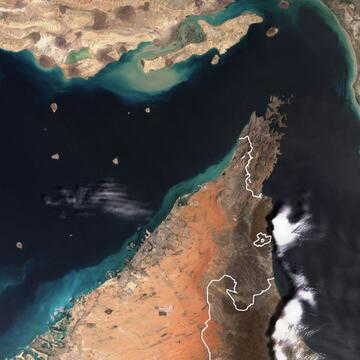
He said Iran must never possess a nuclear weapon and that the Strait of Hormuz should be “immediately open” for unrestricted shipping without tolls. Tehran had not agreed to those conditions.
A senior Iranian source told Reuters that an agreement was close but not yet approved, while Iran’s foreign ministry spokesman, Esmaeil Baghaei, said on state television that the strait’s management must be decided by Iran and Oman.
🚨 BREAKING: Top expert Richard Haass drops a terrifying reality check. He confirms the US cannot achieve regime change in Iran.
— Furkan Gözükara (@FurkanGozukara) May 29, 2026
If Trump resumes bombing, Iran will obliterate the energy infrastructure of every US ally in the Gulf, destroying 20 percent of global oil. https://t.co/yQkw3HgHIP pic.twitter.com/NF5XLSxkLu
Iran pushes back against Trump's claims
Iranian state-linked outlets pushed back sharply on Trump’s remarks.
Fars news agency described his comments as an attempt to portray a “fabricated victory,” while Tasnim said no final understanding had been reached.
Baghaei said exchanges of messages were continuing, but there was still no final agreement. Iran’s foreign minister, Abbas Araghchi, also said he had discussed the future administration of the Strait of Hormuz with Oman’s foreign minister, underscoring that the waterway remains one of the central points of contention in the talks.
Also Read | Russia's alleged Armenia election play puts Moscow and West at odds
More than one prize at stake
The dispute over the ceasefire comes against a wider backdrop of military and economic strain. Oil prices fell and stocks rose on the news of possible progress, reflecting how closely markets are watching the negotiations.
Trump faces pressure to reduce gasoline prices ahead of the November congressional elections, while Iran wants sanctions relief, a U.S. military withdrawal from the region and an end to Israel’s offensive in Lebanon as part of any broader deal.