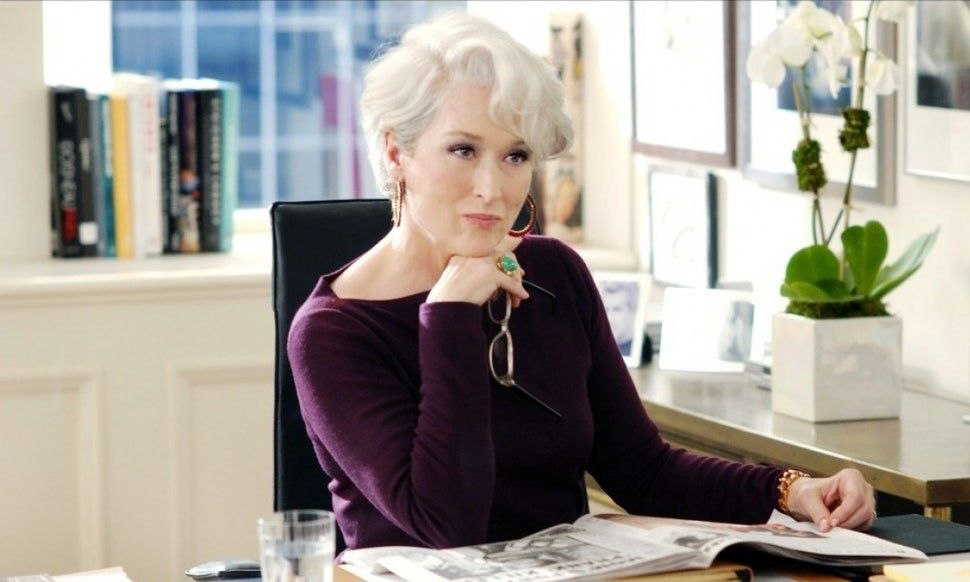
The character of Miranda Priestly, portrayed by Meryl Streep in The Devil Wears Prada, continues to be a defining example of understated power on screen. A recent Hindustan Times report explores how the character’s authority is not shaped by loud dialogue or dramatic gestures, but by subtle micro-expressions and a carefully controlled presence that communicates more than words ever could.
The power of saying less
Miranda Priestly’s influence lies in restraint. She rarely raises her voice or reacts impulsively, yet her presence dominates every room she enters. As the report notes, “Her sharp glances, unreadable expressions, and perfectly timed pauses turned simple moments into authority statements.”
This ability to say less while conveying more sets her apart. Instead of engaging in long conversations or emotional exchanges, she relies on silence and brevity. A slight pause before speaking or a measured look is often enough to signal disapproval or expectation. This minimalism creates an environment where others feel compelled to respond quickly and precisely, reinforcing her authority without direct confrontation.
Micro-expressions as a leadership tool
Miranda’s face becomes a key instrument of communication. An expert told Hindustan Times, “She did not need dramatic reactions; her face did the work. From a face reading and body language perspective, Miranda is a perfect example of how emotional control can become its own form of leadership.”
Her micro-expressions, small, controlled movements such as a raised eyebrow, a faint tightening of the lips, or a steady gaze, carry meaning. These gestures signal judgment, approval, or dissatisfaction without the need for explanation. Because they are subtle, they require others to pay closer attention, making her interactions more intense and focused.
This approach also reflects a broader understanding of non-verbal communication. By limiting overt reactions, Miranda ensures that every expression counts, making her responses deliberate rather than reactive.
Control, boundaries and emotional discipline
Beyond facial expressions, Miranda’s authority is rooted in emotional discipline. Her posture, tone, and pace of speech remain consistent, projecting stability and confidence. She sets clear boundaries in her interactions, maintaining a professional distance that discourages familiarity.
This controlled behaviour allows her to remain unpredictable in a strategic way. Without visible emotional cues, others are left guessing, which strengthens her position of power. Her calm and composed demeanour signals that she is always in control, even in high-pressure situations.
This level of discipline also prevents vulnerability from being exposed. By keeping her emotions in check, Miranda maintains an image of certainty and decisiveness, qualities often associated with strong leadership.
Why the character still resonates
Years after its release, The Devil Wears Prada continues to be referenced in discussions about workplace dynamics and leadership styles. Miranda Priestly’s character stands out because her authority does not rely on force or volume, but on precision and control.
She demonstrates that influence can be built through quiet confidence rather than overt dominance. Her silence, paired with carefully chosen expressions, transforms even ordinary moments into powerful exchanges.
Ultimately, Miranda Priestly’s character shows that leadership can be communicated through the smallest details. Through composed gestures, measured reactions, and controlled silence, she turns micro-expressions into a language of authority that continues to resonate with audiences.