ISRO faced a major setback on Monday with the critical anomaly during the third stage of the Polar Satellite Launch Vehicle (PSLV-C62), leaving all 16 satellites on board in an uncertain condition.
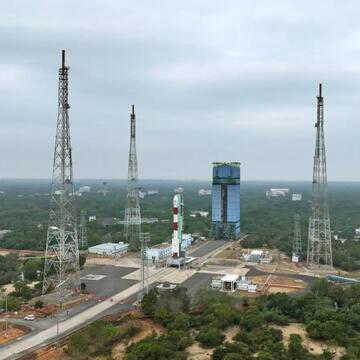
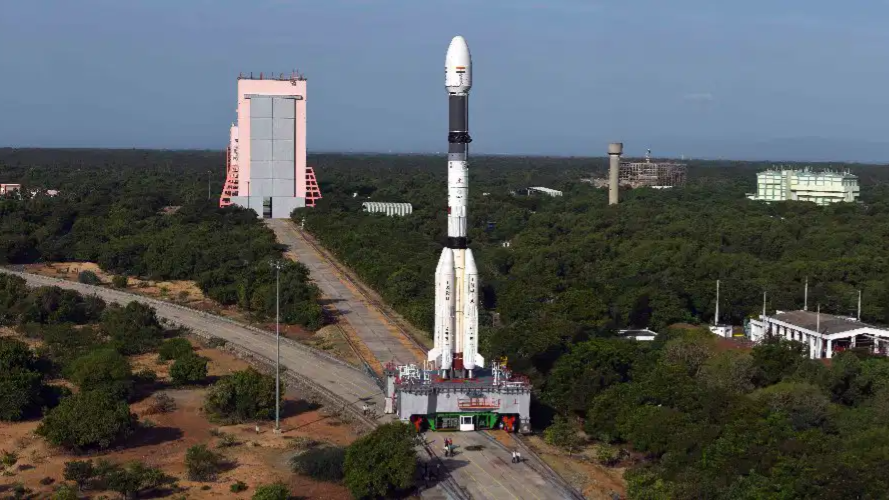
The PSLV was 44.4 metre high and launched at 10:18 am from Satish Dhawan Space Centre in Sriharikota with an Earth Observation Satellite, EOS-N1 (Anvesha), and 15 co-passenger satellites from India and around the world. It was supposed to deploy in a 512-kilometre Sun-Synchronous Orbit in 17 minutes.
Also Read | India is set to launch vehicle-to-vehicle technology to curb road accidents
The launch went according to plan without issues and the livestream of ISRO’s Mission Control reported everything going according to plan with the first and second stages. As expected, Mission Control reported successful ignition of the third stage, at which point Mission Control detected that something was wrong with the vehicle.
Third stage trouble
ISRO chairman V Narayanan said the trouble started near the end of the rocket’s third stage. This happened when the strap-on motors were providing thrust.
"The PSLV is a four-stage vehicle with two solid stages and two liquid stages. The performance of the vehicle up to the end of the third stage was expected. Close to the end of the third stage we are seeing more disturbance in the vehicle and subsequently, there was a deviation observed in the flight path," Narayanan said at the Mission Control Centre.
An "anomaly" occurred during the end of the PS3 (third-stage) burn of the ISRO launch. After approximately 30 minutes of flight, ISRO provided confirmation on X, stating that "anomaly" had been encountered in the flight path and they were conducting an in-depth analysis.
"The PSLV-C62 mission encountered an anomaly during end of the PS3 stage. A detailed analysis has been initiated," ISRO wrote.
Also Read | Will consider buying oil from Venezuela if sale to non-US buyers is allowed, says Reliance
Did the 16 satellites take off?
At this time, it is unknown if ISRO was able to successfully deploy the EOS-N1 satellite along with its 15 companion satellites since they are still analysing all telemetry/tracking information from ground stations which will provide them with insight into the fate of the spacecraft following the rocket's deviation from its designated path.
"Today, we attempted the PSLV-C62/EOS-N1 mission… the mission could not proceed in the expected flight path. That is the information right now available," Narayanan said.
The ISRO chairman said that they would share more details after data from all tracking stations was studied.