The Centre has granted full customs duty exemption on a range of critical petrochemical products as supply disruptions linked to the ongoing Middle East conflict continue into a second month. The temporary relief, applicable until June 30, is aimed at stabilising supply chains and easing cost pressures on industries dependent on petrochemical inputs, reported The Times of India.
The government described the move as a targeted step to ensure availability of essential feedstock and intermediates. "This measure has been taken as a temporary and targeted relief in order to ensure continued availability of critical petrochemical inputs for domestic industry, reduce cost pressures on downstream sectors, and safeguard supply stability in the country," TOI quoted the statement.
Relief for downstream industries
The exemption is expected to benefit multiple sectors that rely heavily on petrochemical inputs. These include plastics, packaging, textiles, pharmaceuticals, chemicals and automotive components, along with other manufacturing segments. Lower input costs may also help moderate final product prices, providing indirect relief to consumers.
The decision comes as industries face higher procurement costs and supply uncertainties due to disruptions in global energy and petrochemical flows. By reducing import duties, the government aims to maintain production continuity and reduce inflationary pressures.
List of products covered under exemption
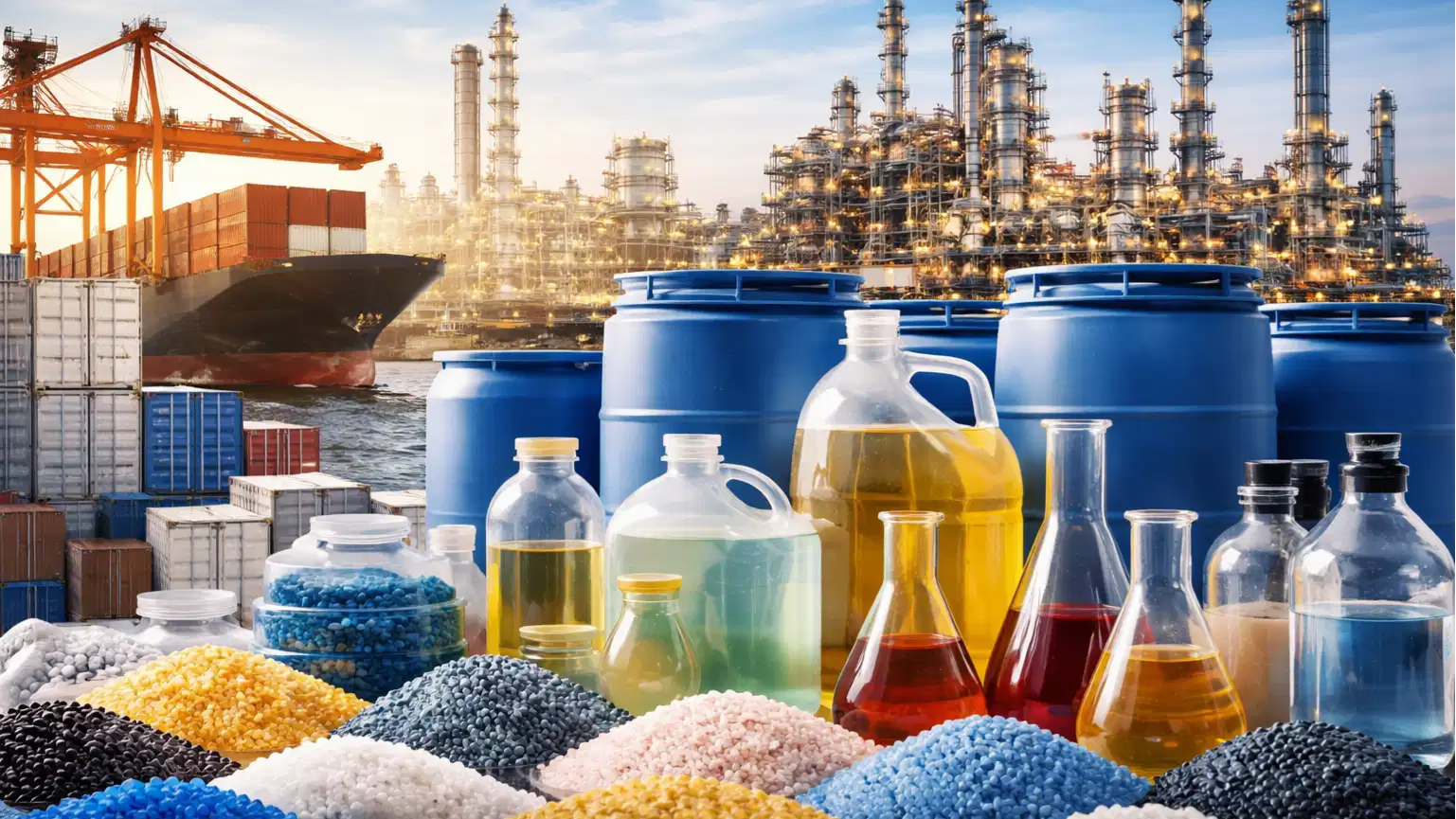
The duty exemption applies to a wide range of feedstocks, intermediates and polymers. These include anhydrous ammonia, toluene, styrene, dichloromethane, vinyl chloride monomer, methanol, isopropyl alcohol, monoethylene glycol, phenol and acetic acid.
Other products include purified terephthalic acid (PTA), ammonium nitrate, linear alkylbenzenes, polymers of ethylene, polypropylene, polystyrene, acrylonitrile-butadiene-styrene (ABS), polyvinyl chloride (PVC), polycarbonates, epoxy resins and polyurethanes. The list also covers PET chips, unsaturated polyester resins, poly butylene terephthalate, polyols, PEEK, polyphenylene sulphide and styrene butadiene.
Parallel measures to ease cost pressures
The exemption comes alongside other steps taken to manage rising energy costs. The Centre earlier reduced excise duty to soften the impact of higher crude prices on consumers and oil companies. Crude costs for Indian refiners have surged 62 per cent this month compared to February, and the duty cut is expected to result in a revenue shortfall of Rs 1.3 lakh crore for the exchequer.
Also Read | Did you know West Asia tensions are now affecting India's condom industry?
Focus on fertiliser availability
In parallel, Union minister of chemicals and fertilizers JP Nadda held discussions with state agriculture ministers and chief ministers on the availability of urea and DAP, assuring support. Sources also indicated that Union minister of agriculture and farmers welfare Shivraj Singh Chouhan is meeting JP Nadda in Parliament to review supply and distribution.