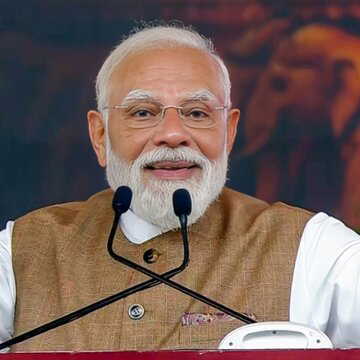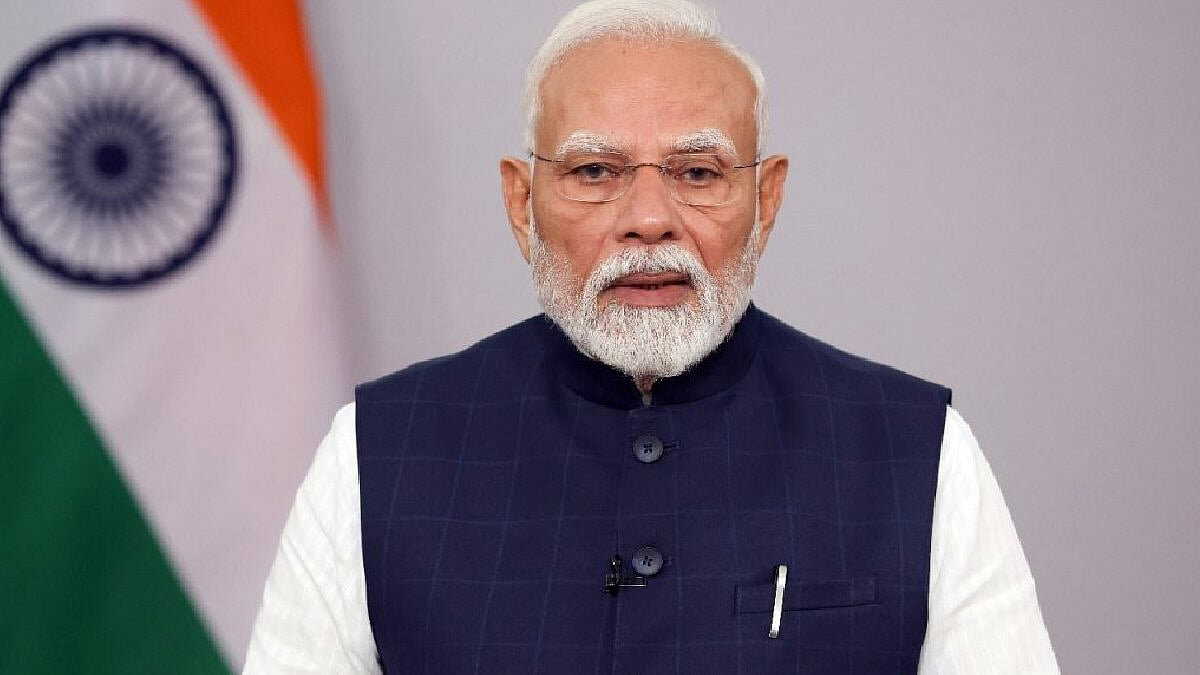
Prime Minister Narendra Modi has called a meeting of the Cabinet Committee on Security (CCS) at 7 PM on Wednesday to review the impact of the West Asia conflict on India, particularly the emerging fuel crisis and supply disruptions.
The meeting comes amid growing concerns over oil shortages and economic pressure caused by the ongoing Iran-US-Israel tensions. Government sources indicated that the situation is being closely monitored as it begins to affect multiple sectors.
High-level review amid fuel concerns
The CCS, chaired by the Prime Minister, includes Defence Minister Rajnath Singh, Home Minister Amit Shah, Finance Minister Nirmala Sitharaman, and External Affairs Minister Dr. S. Jaishankar.
Also Read | Oracle layoffs hit 30,000 globally, 12,000 in India as more job cuts expected
Ministers from key sectors such as Agriculture, Commerce, Petroleum, Power, Food, and Civil Aviation have also been called to attend, reflecting the wide-ranging impact of the crisis. Several industries are already facing difficulties due to disruptions in oil supply linked to the West Asia situation.
A similar CCS meeting was held on March 22. After that meeting, a government official said, "The situation that has developed in West Asia has impacted the entire world's economy. Its effects will be seen in the short, medium, and long term. India is keeping watch on the entire situation. Efforts are underway to determine what steps can be taken to avoid problems in the long term."
Strategy to manage long-term impact
Following earlier discussions, the government has formed seven empowered groups to address key challenges, including fuel availability, supply chains, and fertiliser supply.
Prime Minister Modi said, "State governments have been asked to take necessary measures to prevent black marketing and hoarding. The government is working with a comprehensive strategy to deal with every aspect of this crisis - whether it has short-term, medium-term, or long-term effects."
Also Read | Delhi to witness more rain this week as IMD issues thunderstorm alert for North India
He also highlighted steps taken to secure essential supplies. The government has prepared for adequate fertiliser availability, with domestic urea production expected to meet demand.
On energy security, the Prime Minister noted that India has built a strategic reserve of 5.3 million metric tonnes of fuel over the past 11 years, with work underway to add another 6.5 million metric tonnes of capacity.
The meeting is expected to assess risks and finalise further measures to manage the economic impact of the ongoing West Asia crisis.