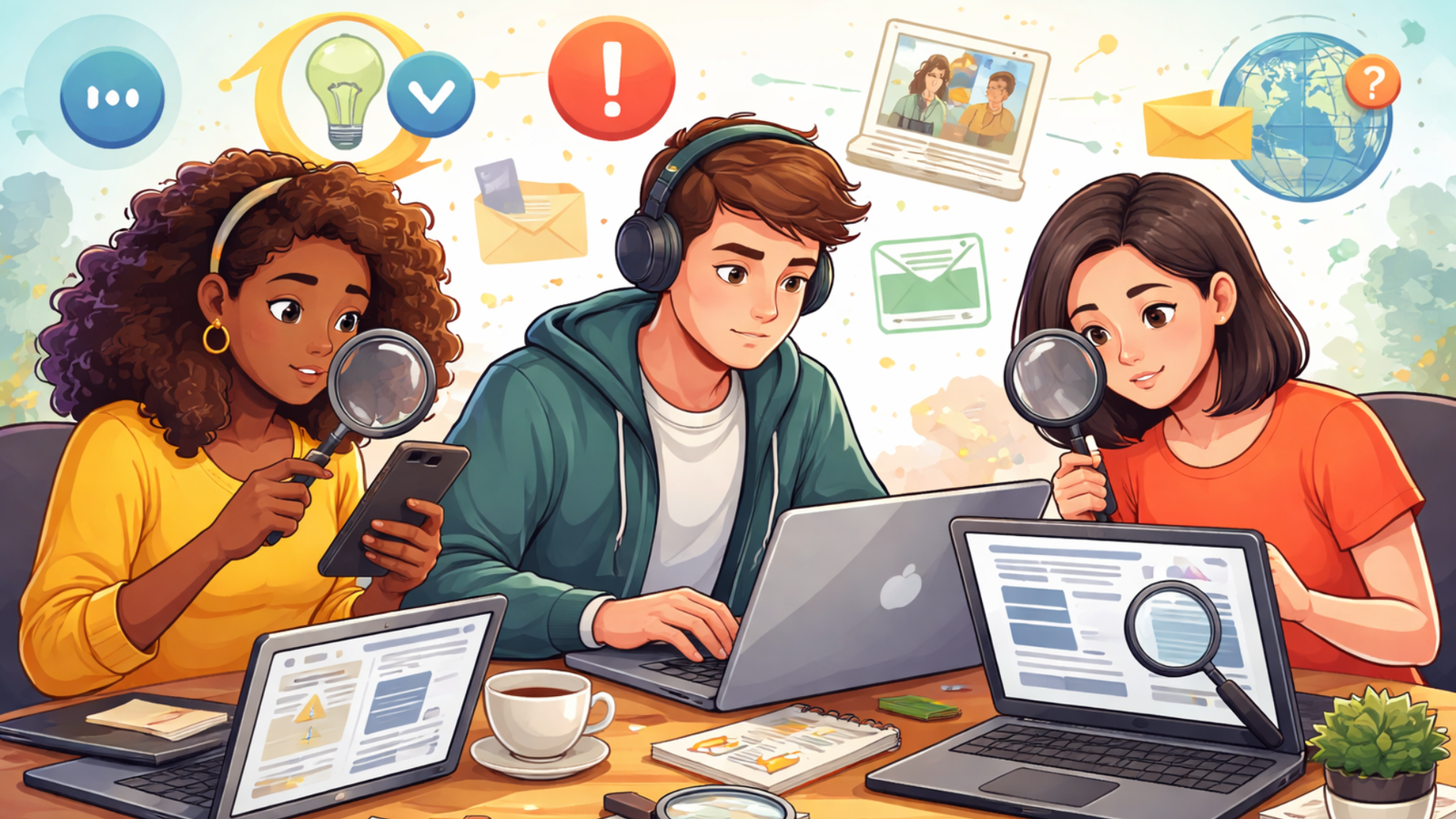
In an era where information travels faster than ever before, April 2 serves as a timely reminder to stop, question, and verify before accepting anything on the internet. International Fact-Checking Day highlights the growing need to remain vigilant in a digital world where misinformation can spread just as quickly as verified information.
At the heart of this effort are fact-checkers, professionals who work behind the scenes to verify information and cross-check facts before they enter public discourse. Their role is crucial not only in strengthening trust in journalism but also in preventing the spread of misinformation and falsehoods.
How it began
The origins of this observance date back to 2016, a period marked by the rapid rise of digital misinformation and the popularisation of the term “post-truth.” Initiated by the International Fact-Checking Network at the Poynter Institute, the day was first formally observed in 2017 with participation from over 100 organisations across nearly 50 countries. Since then, it has evolved from a niche media practice into a broader media literacy movement involving educators, researchers, and technologists.
Why fact-checking is essential today
The digital ecosystem today allows misinformation to spread rapidly, often making it difficult for individuals to distinguish between credible and unreliable sources. Experts describe this phenomenon as an “infodemic.” Such misinformation can shape public opinion, influence electoral outcomes, and even pose risks in areas like public health. Promoting fact-checking skills is therefore essential to help individuals make informed decisions and avoid manipulation.
“Most people consume news on social media and forward what feels true. Hardly anyone pauses to verify. And once it settles in the mind, it stays”, explained Srijit Das, Principal Correspondent at BOOM.
“Now AI is blending misinformation with technological progress. The battle is tough, and it exists in the smallest details we examine. That is the fight we take on every day”, he further added.
Also Read | Did PM Modi hint at a Covid-style lockdown in Parliament speech? Exploring the claim
Simple ways to verify information
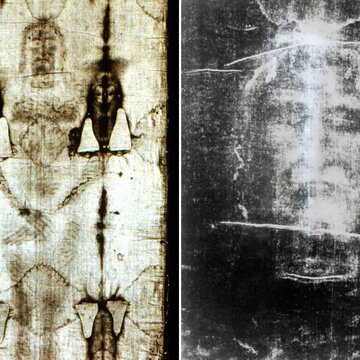
Basic verification practices can go a long way in combating misinformation. Readers are encouraged to check the source of information, read beyond headlines, and look for supporting evidence. Tools such as reverse image search can help identify misleading visuals. Lateral reading, cross-checking information across multiple trusted sources, also improves accuracy. Verifying the date of content is equally important, as older information is often reshared out of context.
Also Read | Fact check: Kaká is alive and well, viral death claims on social media are false
Pivotal fact-checking interventions across major events
COVID-19 pandemic infodemic (2020–2022)
The World Health Organization termed the misinformation surge an “infodemic.”
The International Fact-Checking Network’s CoronaVirusFacts Alliance debunked over 10,000 false claims globally.
Indian platforms like Alt News and BOOM Live tackled fake cures, vaccine myths, and communal misinformation.
Also Read | Did Israeli missiles hit North Korea embassy in Tehran? Fact-checking viral social media claim
US Withdrawal from Afghanistan (2021)
Reuters and BBC debunked mislabelled evacuation videos and false claims about troop presence.
OSINT groups verified visuals using geolocation and timestamps, helping establish factual accuracy.
Israel–Iran / Middle East Conflict Misinformation (2023–2026)
Fact-checkers such as BBC Verify and PolitiFact exposed AI-generated visuals and recycled war footage presented as current events.

The Press Trust of India debunked multiple viral claims during periods of escalation.
Also Read | US using India to attack Iran? MEA issues strong 'fake news' warning
India’s lockdown hoax and viral panic messages
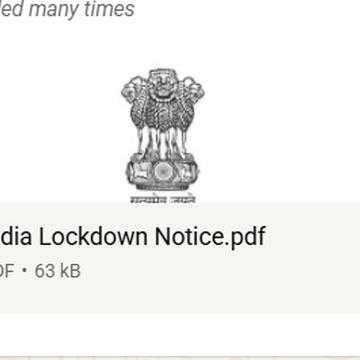
Viral WhatsApp forwards falsely claimed the re-imposition of a nationwide lockdown.

PIB Fact Check clarified that no such announcement had been made.
Several fabricated government circulars were identified and debunked.
Also Read | War lockdown notice doing the rounds? Here's the secret
Notably, misinformation linked to Indian elections through deepfakes and the recurring spread of disaster-related fake visuals in India and globally continue to surface repeatedly, with fact-checkers consistently intervening to verify and debunk such claims during high-stakes situations.
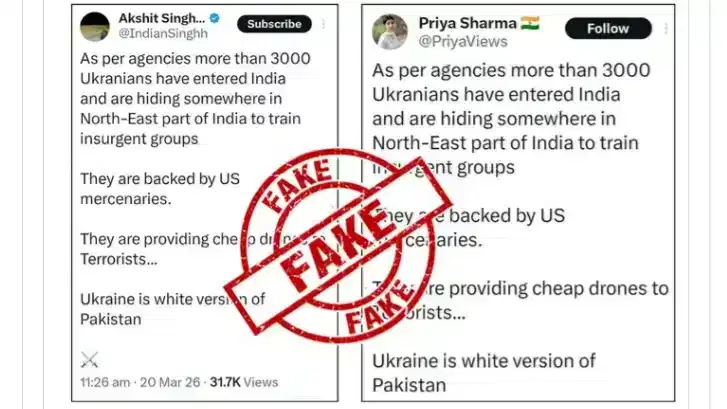
AI, deepfakes and the new misinformation challenge
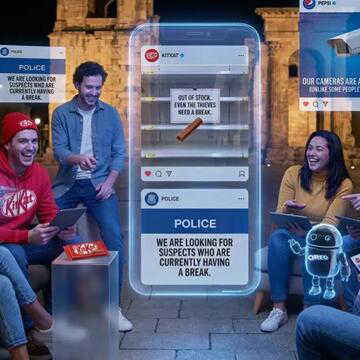
The rapid advancement of artificial intelligence has further transformed the misinformation landscape, making verification more critical than ever. AI tools can now generate highly realistic images, videos, and audio, blurring the boundary between authenticity and fabrication. From manipulated political speeches to misleading disaster visuals, such content often spreads faster due to its realism and emotional appeal.
In this evolving digital environment, fact-checking organisations and verification networks have become indispensable in countering deception. Strengthening digital literacy, encouraging users to question sources, and promoting transparency in content creation are essential to navigating a space where not everything seen or heard can be trusted.
Speaking to News Ei Samay, Riddhish Dutta, Fact-Checker said, “We are living in a time when the shadow of a third world war is looming. And as the saying goes, truth is often the first casualty in a war: so in today’s social media-driven, opinion-heavy and AI-dominant ecosystem, the line between misinformation, disinformation, and manipulated visual content is blurring like never before.
He further said, "What’s more concerning is that even world leaders appear less invested in upholding factual accuracy, shrinking the space for investment in fact-checking. So while we may mark this day once a year, the need for fact-checking remains constant, every single day, even if the majority chose to look away."
Also Read | AI or actual accident? 10-second crash video leaves netizens stunned
How can people take part
International Fact-Checking Day also encourages individuals to actively improve their digital literacy. This can include taking part in online learning, engaging in fact-checking initiatives, or critically reviewing one’s own social media habits. Sharing reliable sources and promoting responsible online behaviour can further help curb misinformation. Ultimately, verification must become a daily practice rather than a one-time effort, fostering a more informed and responsible digital society.
And as the lines between truth and fabrication continue to blur, the responsibility to question and verify no longer rests only with journalists but with every individual online.