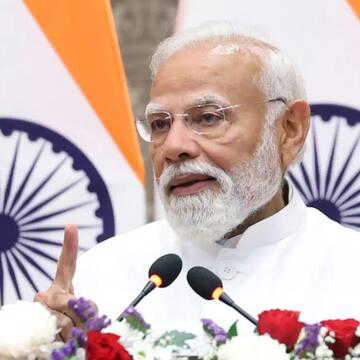
Union Petroleum Minister Hardeep Singh Puri explained on Friday that the reason behind the Indian government cutting the special excise duty on petrol and diesel amid the raging conflict in West Asia. The Narendra Modi government reportedly had only two choices, according to Puri: either increase fuel prices or bear the financial brunt so that Indian citizens are insulated.
The Union Petroleum Minister also addressed this on X with a post stating, “International crude prices have gone through the roof in the last 1 month, from around 70 dollars/barrel to around 122 dollars/barrel. Consequently, petrol and diesel prices for consumers have gone up all over the world.
Also Read | Govt cuts petrol excise to Rs 3, scraps diesel duty amid oil surge: Will this reduce fuel prices?
Prices have increased by around 30%-50% in Southeast Asian countries, 30% in North American countries, 20% in Europe, and 50% in African countries. The Modi Government had two choices- either increase prices drastically for citizens of Bharat as all other nations have done, or bear the brunt on its finances so that Indian citizens are insulated from international volatility.”
“Hon’ble Prime Minister @narendramodi Ji, in keeping with his Government’s commitment of the last 4 years since the conflict in Russia-Ukraine started, decided to take a hit on its own finances again to safeguard the Indian citizen,” he further added.
International crude prices have gone through the roof in the last 1 month from around 70 dollars/barrel to around 122 dollars/barrel. Consequently, petrol and diesel prices for consumers have gone up all over the world. Prices have increased by around 30%-50% in South East Asian…
— Hardeep Singh Puri (@HardeepSPuri) March 27, 2026
According to Puri, the government is said to have taken a huge hit to its tax revenues to ensure that oil companies' very high losses (approximately Rs. 24/litre for petrol and Rs. 30/litre for diesel) are reduced amid sky-high international prices.
“At the same time, export tax has been levied as international prices of petrol and diesel have skyrocketed, and any refinery exporting to foreign nations will have to pay export tax. My gratitude to Hon’ble PM Narendra Modi Ji and Hon’ble FM @nsitharaman Ji for this very timely, bold, and visionary decision!” Puri wrote.
Finance Minister breaks silence
Union Finance minister Nirmala Sitharaman had her say on the government's decision, saying that the Central excise duty on petrol and diesel for domestic consumption has been reduced by ₹10 per litre each in view of the West Asia crisis, which will “provide protection to consumers from a rise in prices".
Also Read | PM Modi to convene virtual meet with CMs on West Asia crisis: Key issues on the table
“Hon. PM @narendramodi has always ensured that citizens are protected from vagaries of supply and costs of essential goods. Further, duties have been imposed on exports of Diesel at ₹21.5 per litre and on ATF at ₹29.5 per litre. This will ensure adequate availability of these products for domestic consumption. The Parliament has been notified about the same,” Sitharaman wrote in an X post.
What drove the tax cut decision?
Hardeep Puri's explanation follows the government of India’s decision to cut the special additional excise duty (SAED) on petrol and diesel, which is a move seemed to be primarily aimed at reducing the losses of oil companies'.
The Finance Ministry reduced the special excise duty on petrol to ₹3 per litre from ₹13 earlier. It also cut the duty on diesel to zero from ₹10 in a government order on Thursday.
The changes were notified through amendments to the central excise rules and duty structures, which “shall come into force with immediate effect,” as per the Gazette notification. However, any immediate impact on pump prices is unlikely.