Starting from April 10, there are new regulations to be implemented for traveling along national highways in India. The government has issued new regulations for ensuring better security and transparency during travel via highways in the country.
Travelers using highways within India will be affected with the implementation of the new set of guidelines. One of the new requirements is having a government-approved identification card while making use of the toll plaza or highway.
Also Read | After years of no data, Delhi begins first-ever tree census to reveal the city's real green cover
This regulation has been imposed by the government to help reduce any kind of fraudulent transactions like stealing vehicles or unauthorised movement of travelers.
Cashless tolls, tighter checks from April 10
In a significant move, cash payments at toll plazas will be discontinued. All transactions will have to be made through digital modes such as FASTag, UPI or bank cards.
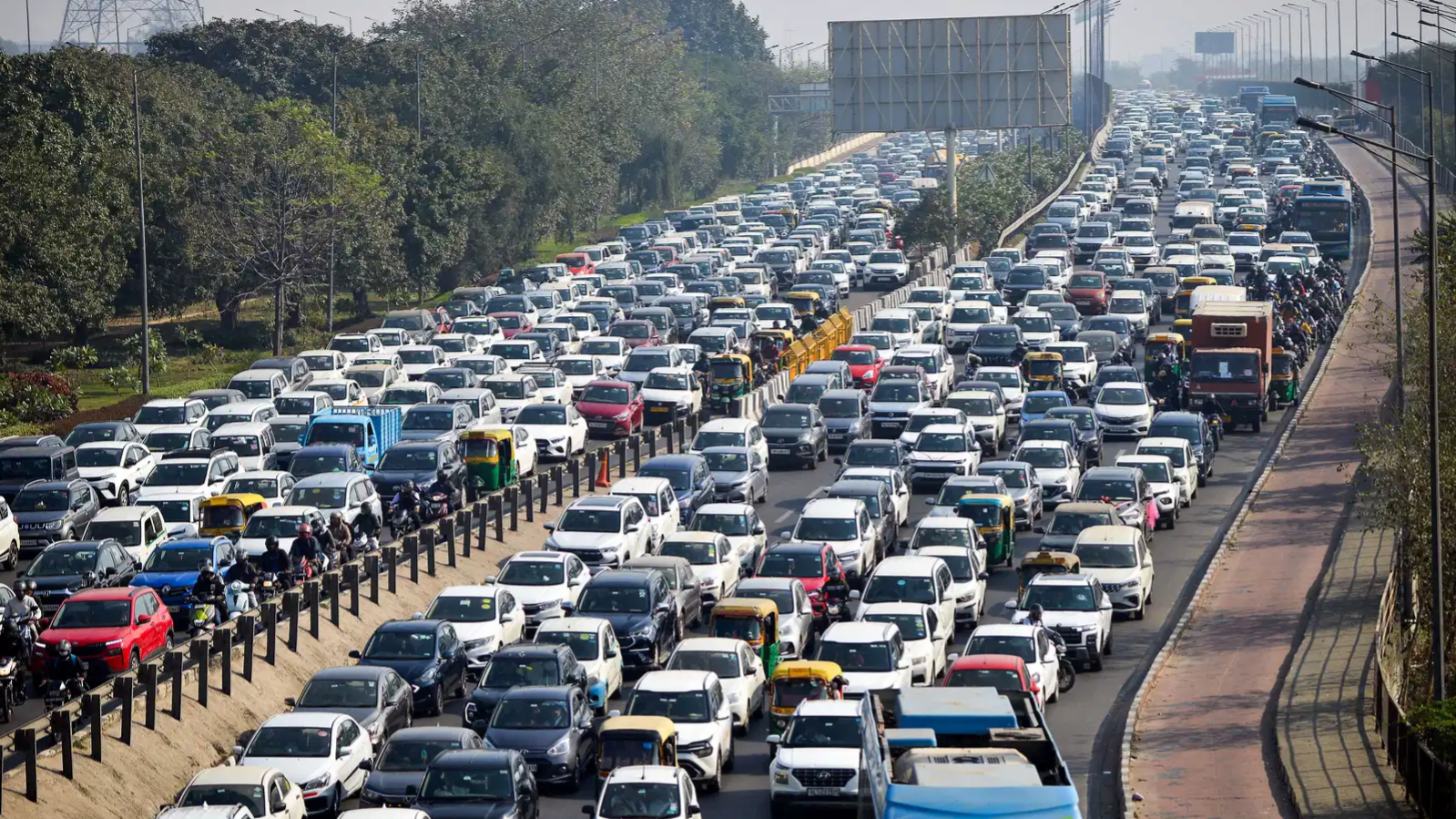
Authorities expect this to reduce congestion at toll booths and plug revenue leakages linked to cash handling. Commuters who have not yet shifted to FASTag or other digital payment systems will need to do so before the new rules come into force.
Alongside this, enforcement of vehicle documentation will be stepped up. Highway patrol teams are expected to carry out more frequent checks of registration papers, insurance and pollution certificates. Officials say the move is intended to keep non-compliant vehicles off highways and improve overall road safety.
Also Read | India rolls out mandatory e-Arrival Card for global flyers: What travellers must know
In addition, there is enhanced surveillance included in this new system. The toll plaza as well as major intersections will have improved CCTV and number plate recognition system in place for real-time tracking and violation monitoring.
For the logistics industry, although the change might mean some adjustment in the short term, many see benefits in more efficient toll processing and lower costs due to reduced congestion in the future.
This move has been explained by the government as part of their efforts in modernising the highway system and ensuring compliance with international standards for better safety, efficiency and convenience of travel.