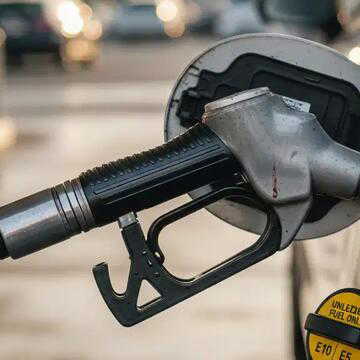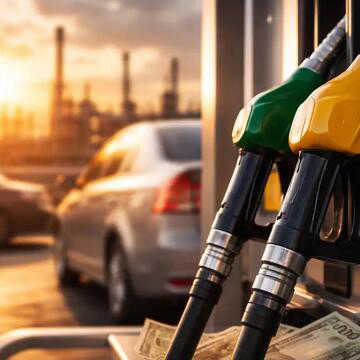
The Centre’s decision to cut excise duty on petrol and diesel by ₹10 per litre may seem like a relief measure, but for consumers, it may not translate into lower fuel prices anytime soon. The government has reduced the special additional excise duty on petrol to ₹3 per litre and eliminated it on diesel, according to an official order issued on Thursday.
However, the timing of the move suggests that the benefit may not reach consumers directly.
Rising crude prices offset the benefit
India’s crude oil basket is currently hovering near $149 per barrel, driven by escalating geopolitical tensions in West Asia, particularly involving Iran, Israel and the US. This sharp rise in global oil prices has significantly increased input costs for oil marketing companies (OMCs).
Instead of reducing retail fuel prices, the duty cut is likely aimed at helping OMCs absorb these rising costs. In effect, it may prevent further price hikes rather than bring down existing prices.
A recent move by Nayara Energy, which raised petrol prices by ₹5 per litre and diesel by ₹3 per litre, signals that pricing pressure is already building in the market.
ALSO READ | 'Govt had two choices...': Here's why India cut petrol and diesel taxes
Why this may not benefit you
While the ₹10 excise duty cut sounds like relief, it is unlikely to reduce what you pay at the pump. With global crude prices rising sharply, oil companies are already under pressure from higher costs. Instead of passing the benefit to consumers, the tax cut is being used to absorb these costs and prevent further price hikes.
This means fuel prices may stay where they are, rather than fall. In simple terms, you may avoid paying more for now, but you won’t actually pay less, making the move less beneficial for everyday consumers.
ALSO READ | Govt cuts petrol excise to Rs 3, scraps diesel duty amid oil surge: Will this reduce fuel prices?
The duty reduction appears to be more about stabilising fuel prices than offering direct relief. OMCs have been under pressure for weeks due to rising crude costs, and without support, they may have been forced to increase prices sharply.
There is also a political angle. With major state elections approaching, a sudden spike in fuel prices could trigger inflation concerns and public dissatisfaction. By cutting duties now, the government may be trying to avoid a price shock.
Meanwhile, Reliance Industries has denied reports of sourcing Iranian crude, calling such claims misleading.
For consumers, the message is clear: while prices may not rise immediately, a drop in fuel rates is unlikely in the near term.