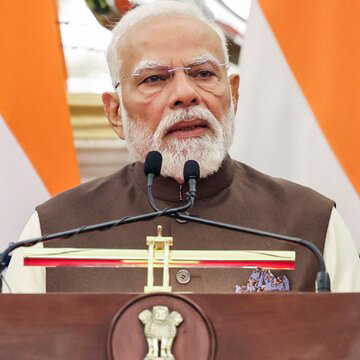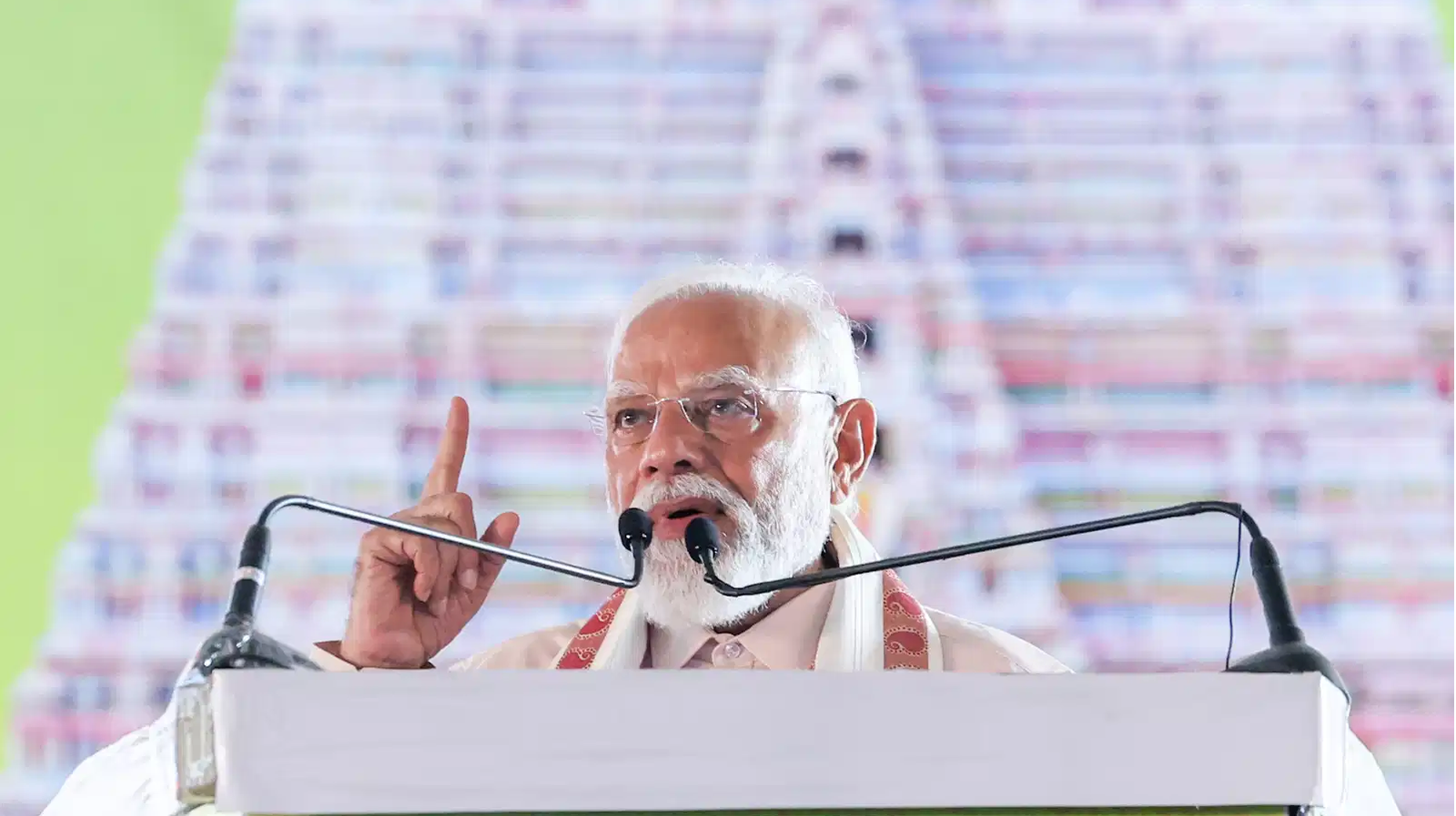
India is set to add a major new aviation gateway this week. Prime Minister Narendra Modi will formally open the Noida International Airport in Jewar on March 28, according to News18. He is expected to reach the site at 11:30am, tour the terminal, and launch the facility at noon before addressing a public gathering.
The airport sits in Gautam Buddha Nagar district, along the Yamuna Expressway in Uttar Pradesh. It will serve as a second international airport for the Delhi-NCR region, taking pressure off the existing Indira Gandhi International Airport in the capital.
Also Read | Did PM Modi hint at a Covid-style lockdown in Parliament speech? Exploring the claim
Built under a public-private model
The first phase was developed at an estimated cost of Rs 11,200 crore through a public-private partnership arrangement. At launch, the facility can process up to 12 million travellers each year. Planned future expansions could push that figure to 70 million. The runway measures 3,900-metre- long; enough to accommodate wide-body jets. The airport also features advanced landing aid systems and lighting that supports flights day and night, in all weather conditions.
Freight and logistics at its core
According to News18, the airport has been designed with a focus on trade, beyond just passenger travel. It includes a dedicated cargo terminal, separate logistics zones, and a 40-acre facility for aircraft maintenance, repair and overhaul. Freight capacity begins at over 2.5 lakh metric tonnes per year and can be scaled up to 18 lakh metric tonnes over time.
Sustainable infrastructure, Indian identity
The airport is designed to achieve net-zero carbon emissions. Its architecture draws from the visual language of India's riverside ghats. Road, rail, metro, and regional transport links tie it into a broader mobility network.
Also Read | Iran lists India as ‘friendly’ nation, permits passage through Strait of Hormuz
For a region that depended on one major international airport, this new airport is a big change. It aims to improve travel options and boost economic growth in northern India.