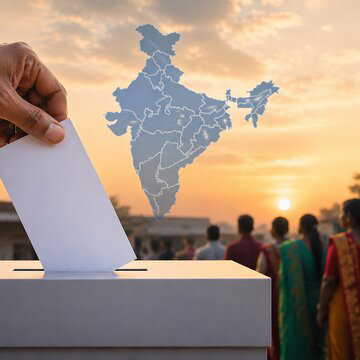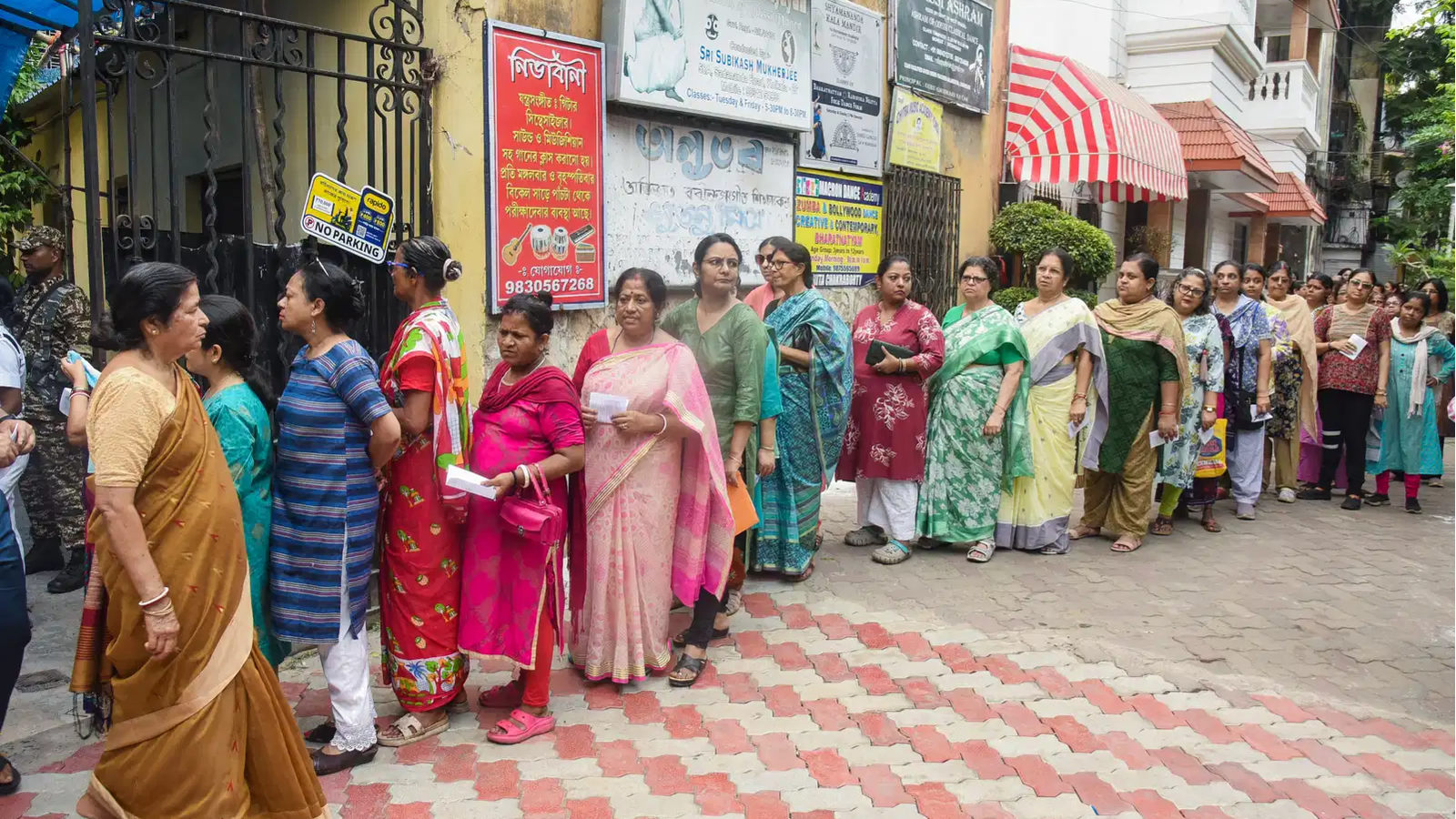
As polling for the 2026 Assembly elections concludes with Phase 2 in West Bengal, attention shifts to exit polls across states, including Tamil Nadu, Assam, Kerala and Puducherry. The release of these projections is regulated by the Election Commission of India (ECI), which prohibits publication until voting ends in all phases. With polling closing at 6 pm, exit poll trends are set to dominate the evening narrative.
What exit polls are & what they are not
An exit poll is conducted after voters cast their vote. Surveyors approach voters outside polling stations and ask who they voted for. This distinguishes it from opinion polls, which attempt to predict voter behaviour before polling begins.
Also Read | Exit poll 2026: When will predictions be out? Timing, ECI ban and key details explained
Participation is voluntary and responses are collected either through secret ballot-style slips or verbal inputs. While exit polls aim to capture actual voting behaviour, they still rely on sampling rather than counting every vote.
How the process works on the ground
Agencies such as Axis My India, CVoter and CSDS-Lokniti follow broadly similar methods.
They begin by selecting a representative sample of constituencies and polling booths. Covering every booth is not feasible, so sampling is designed to reflect regional, social and political diversity.
On polling day, field teams collect responses from voters as they exit booths. Alongside vote choice, demographic details such as age, gender, caste or income may also be recorded to build a clearer picture of voting patterns.
From raw data to projections
The data collected is not used directly. Pollsters apply statistical weighting to adjust for gaps in representation, turnout variations and historical trends. For instance, if a group is underrepresented in responses, its weight may be increased.
The next step: translating vote share into seat projections is often the most complex. India's first-past-the-post system means small changes in vote share can lead to large swings in seat outcomes, making projections sensitive to even minor variations.
Why different exit polls show different results
Variations between agencies are common and stem from methodological differences. Sampling choices vary; some may focus more on urban areas, others on rural regions. Sample size and distribution also differ.
Question formats can influence responses, whether voters respond verbally or through secret slips. Another key factor is how agencies deal with non-response, as many voters choose not to disclose their vote.
Each agency also uses its own weighting formula and vote-to-seat conversion model. These differences explain why projections can diverge even when based on similar data.
Why exit polls can get it wrong
Despite careful design, exit polls face limitations. Not all voters agree to participate, and those who decline may not represent a random group. Some respondents may also choose not to reveal their actual vote.
Also Read | What is India’s ‘Sudarshan Chakra’? Fourth S-400 unit due by mid-May after key Op Sindoor role
India's diversity adds another layer of complexity, where local factors and micro-level shifts may not be fully captured in samples. Additionally, exit polls assume that surveyed turnout reflects overall turnout, which may not always hold true.
Even small errors in vote share estimates can lead to large differences in projected seats.
Reading exit polls with caution
Exit polls offer a snapshot of trends rather than final outcomes. They can indicate shifts in voter sentiment and highlight broader patterns, but they are not substitutes for official results.
As counting day approaches, exit polls remain a useful guide, but one that must be read with an understanding of their limits.