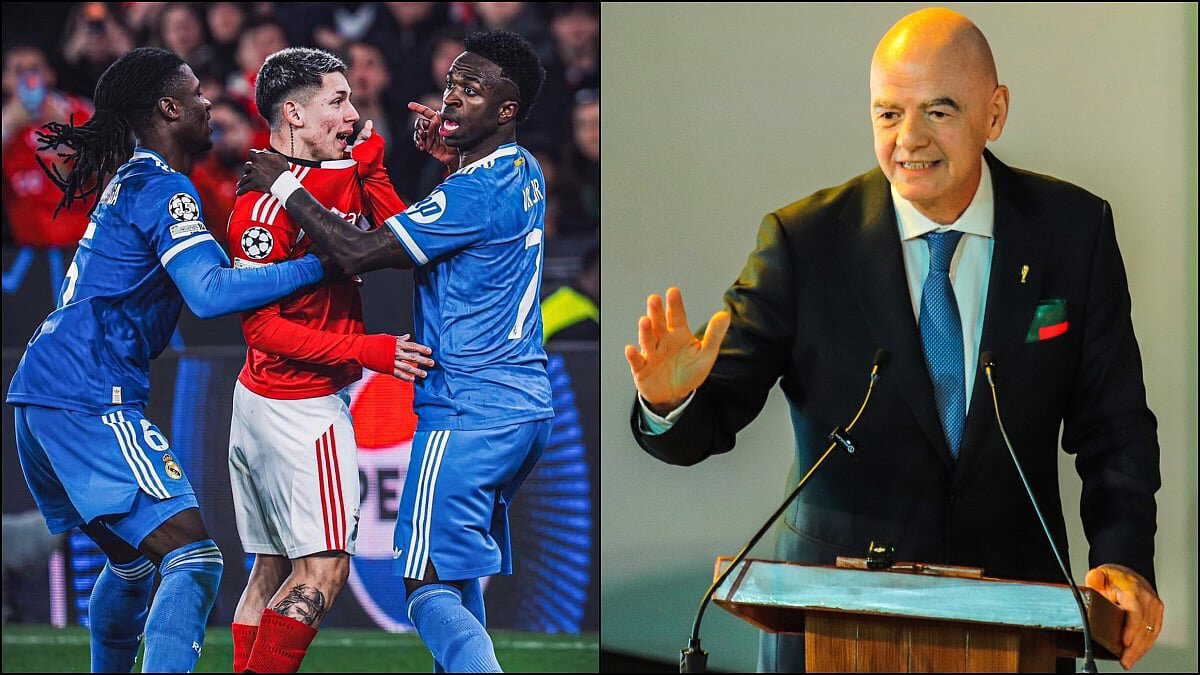
In response to recent flashpoints involving on-field misconduct and racism, FIFA has moved to tighten its disciplinary framework ahead of the next FIFA World Cup. Acting on recommendations from the International Football Association Board, the global governing body has approved a set of stricter in-game rules aimed at curbing abusive behaviour, dissent, and actions that undermine match authority. The changes follow incidents in elite competitions, including the confrontation involving Vinicius Junior and Gianluca Prestiani during the UEFA Champions League, which reignited concerns over how such episodes are handled in real time.
Red card for concealed verbal exchanges and dissent
One of the headline changes targets players engaging in suspicious or abusive verbal exchanges. If a player is found arguing aggressively with an opponent, particularly while covering their mouth to conceal speech, the referee is now empowered to issue a direct red card without waiting for VAR intervention.
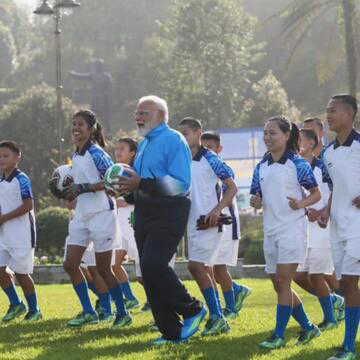
Also Read । Infantino applauds Modi’s football moment with children in Sikkim
This rule stems directly from the Prestiani–Vinicius episode, where discriminatory remarks were allegedly made while obscured from cameras. FIFA’s objective is to remove ambiguity and ensure referees can act decisively against potential misconduct on the pitch. FIFA president Gianni Infantino confirmed that tournament organisers may implement these rules even before their official global rollout.
Strict punishment for walk-offs and match disruption
A second major amendment addresses collective protests and match disruption. If a player leaves the field in protest against a referee’s decision, they can now be shown an immediate red card.
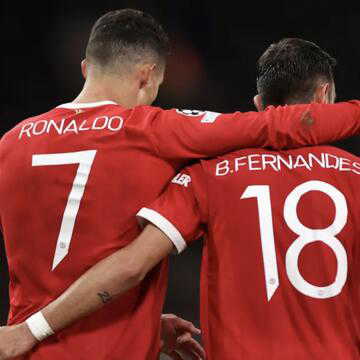
Also Read । Bruno Fernandes equals Ronaldo milestone with record-breaking pace
More significantly, any player who incites teammates to abandon play or disrupt proceedings risks similar punishment. In extreme scenarios, the offending team could even forfeit the match. This comes after scenes in the Africa Cup of Nations Final where players walked off in protest, prompting FIFA to close regulatory gaps.
Together, these measures signal a zero-tolerance approach as FIFA looks to safeguard sporting integrity and player conduct on football’s biggest stage.