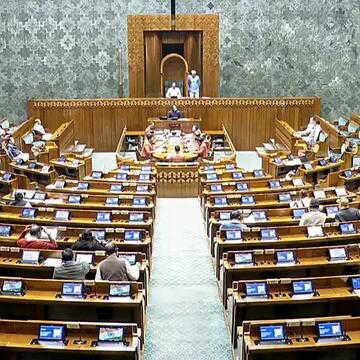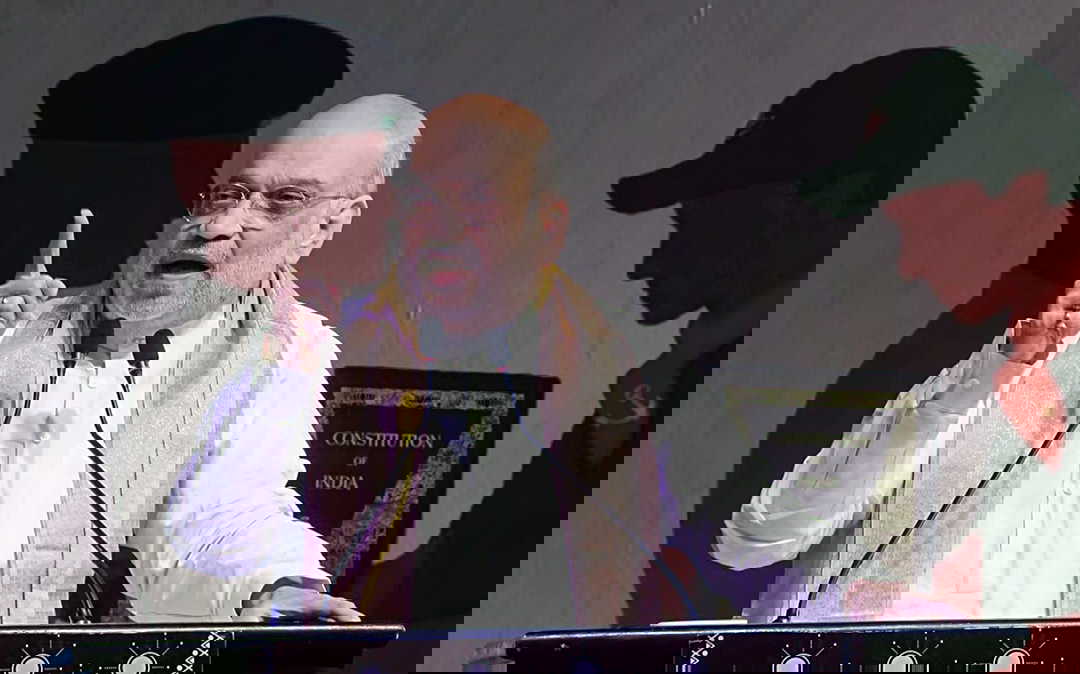
Union Home Minister Amit Shah told the Lok Sabha that the proposed expansion linked to women’s reservation and delimitation would not disadvantage the southern states, pushing back against criticism that the exercise would weaken their representation. He said the five southern states would collectively go from 129 seats to 195, with their share rising slightly from 23.76% to 23.87%.
Also Read | Roosevelt House reopens in Delhi after 5 years; 10,000 flag-clad autos to hit roads in unique campaign
Shah also explained the government’s estimate of an 850-member Lok Sabha. “They asked where the figure of 850 came from. I will explain it,” he said, arguing that if total seats were increased by 50% and a 33% women’s quota were applied, the arithmetic would still keep the effective number at 100 in his example. He said Tamil Nadu would gain 20 seats, Kerala 10, Telangana 9, and Andhra Pradesh 13, while Maharashtra would gain 24.
What are the three bills being considered?
The Constitution (One Hundred and Thirty-First Amendment) Bill, 2026, seeks to expand the Lok Sabha from 543 seats to about 850, including 815 seats for states and 35 for Union Territories.
The Delimitation Bill, 2026, proposes setting up a Delimitation Commission to redraw parliamentary and assembly constituencies and revise seat allocation using the latest available census data. The current Lok Sabha composition is based on the 1971 census, after the 84th Constitutional Amendment froze delimitation until the first census conducted after 2026.
The Union Territories Laws (Amendment) Bill, 2026, complements the package by extending the proposed one-third reservation for women to the legislative assemblies of Delhi, Jammu and Kashmir, and Puducherry.
A move in a 'new direction'
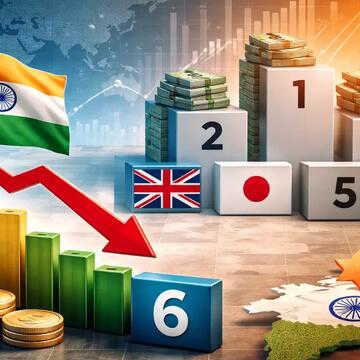
Also Read | India slips to 6th spot—how a weaker rupee changed the global rankings
Reuters reported that Prime Minister Narendra Modi described the proposals as a move in a “new direction” and said greater participation by women would bring “new strength,” “fresh thinking," and sensitivity to public life.
The government says the boundary changes reflect demographic shifts since the 1971 census, while Opposition parties have objected to linking women’s reservation to delimitation and pressed for the quota to take effect immediately.
Under the plan, the Lok Sabha would expand to around 850 members by the 2029 elections, with one-third of seats reserved for women in the expanded assemblies. The quota law passed in 2023 was tied to the next census and would also require ratification by at least half the state legislatures before becoming law.