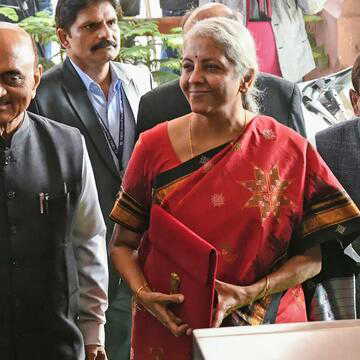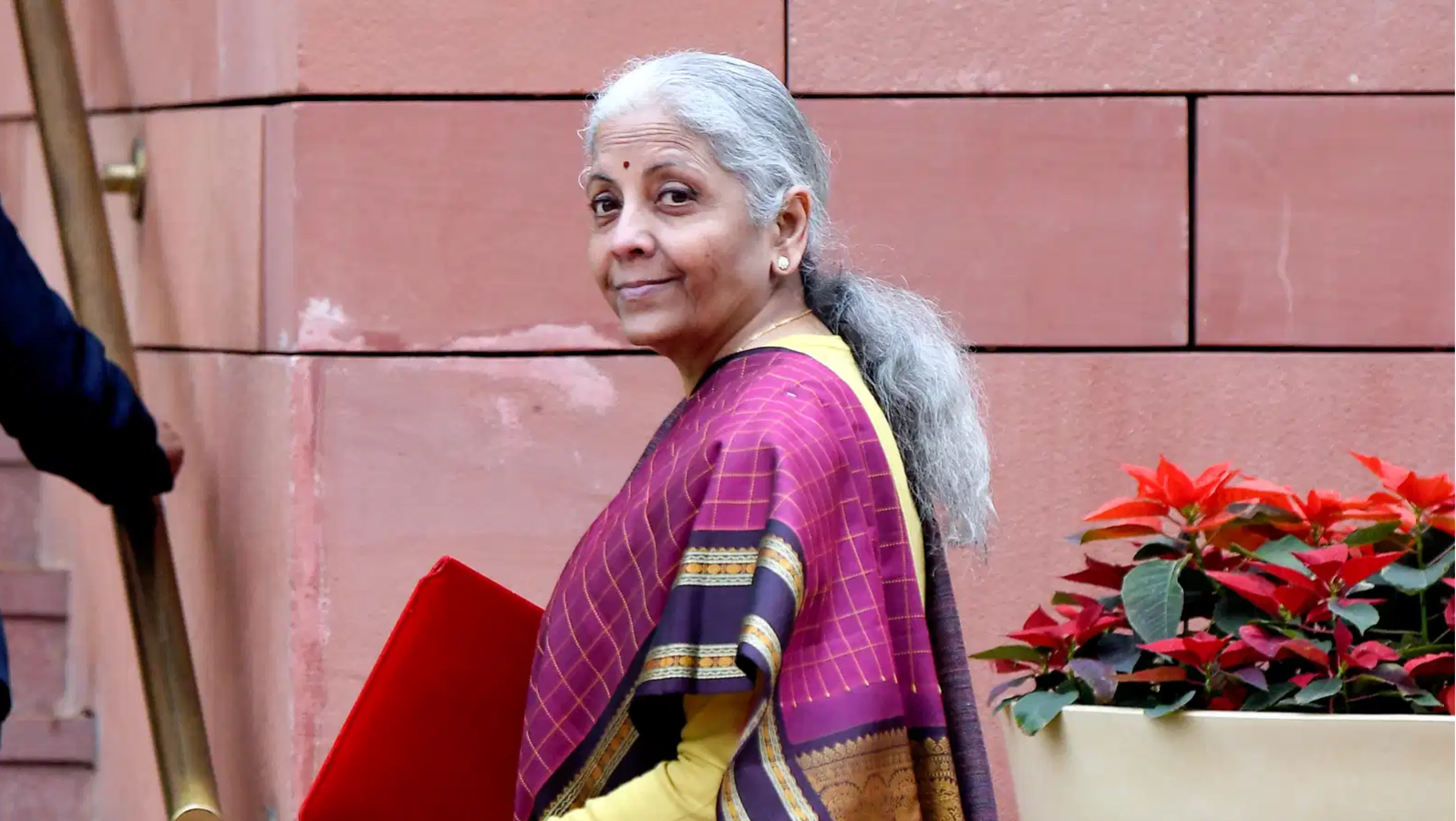
During the Union Budget 2026 speech, FM Nirmala Sitharaman brought back the "touch of Mahatma Gandhi" with the Mahatma Gandhi Gram Swaraj initiative.
What is the Mahatma Gandhi Gram Swaraj initiative?
The phrase Gram Swaraj goes back to Mahatma Gandhi’s vision of self-reliant and empowered villages, where rural communities are economically strong, socially cohesive, and capable of managing their own development. It’s rooted in decentralised governance and the idea that India’s real strength lies in the upliftment of its villages, not just its cities.
While Gram Swaraj has been referenced in past government schemes (such as those strengthening elected rural bodies), the Mahatma Gandhi Gram Swaraj initiative announced in Budget 2026 is a fresh push under that legacy name. It isn’t just a slogan, it represents a practical, new effort to boost village economies, especially traditional industries like khadi and handloom.
Also Read | Union Budget 2026: Sitharaman unveils Rs 10,000 crore SME growth fund
What did FM Nirmala Sitharaman say about it in Budget 2026?
In her Budget speech on 1 February 2026, Finance Minister Nirmala Sitharaman announced the launch of the Mahatma Gandhi Gram Swaraj Yojana. She said the scheme is aimed at:
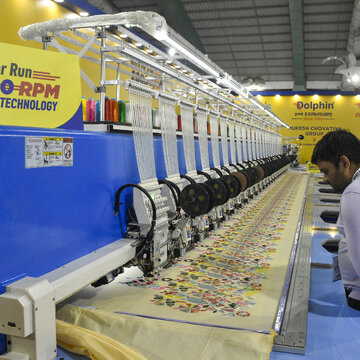
Boosting the khadi and handloom sector in rural areas
Providing training and skill development for artisans
Improving production processes and quality checks
The focus, she explained, is on strengthening the rural economy by supporting traditional crafts and improving market access for these products.
Also Read | Union Budget 2026: Breaking down how the government earns and spends one rupee
This reflects a broader effort in the Union Budget to support livelihoods that are rooted in the grassroots economy — positioning villages as centres of sustainable economic activity, aligned with Gandhian ideals of self-dependence and local empowerment.
The announcement resonates with long-standing discussions about rural development and self-reliance. By linking this initiative with Mahatma Gandhi’s Gram Swaraj vision, the government signals a policy intent to bring more economic activity, skills and income opportunities to villages beyond just agricultural labour.
Whether the strategy will deliver widespread change will depend on how effectively the programme is implemented and supported at the ground level.