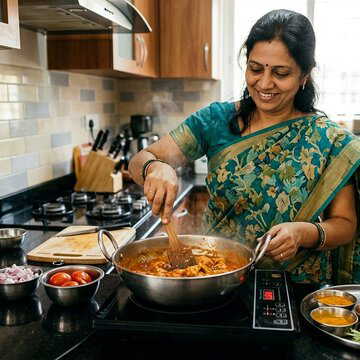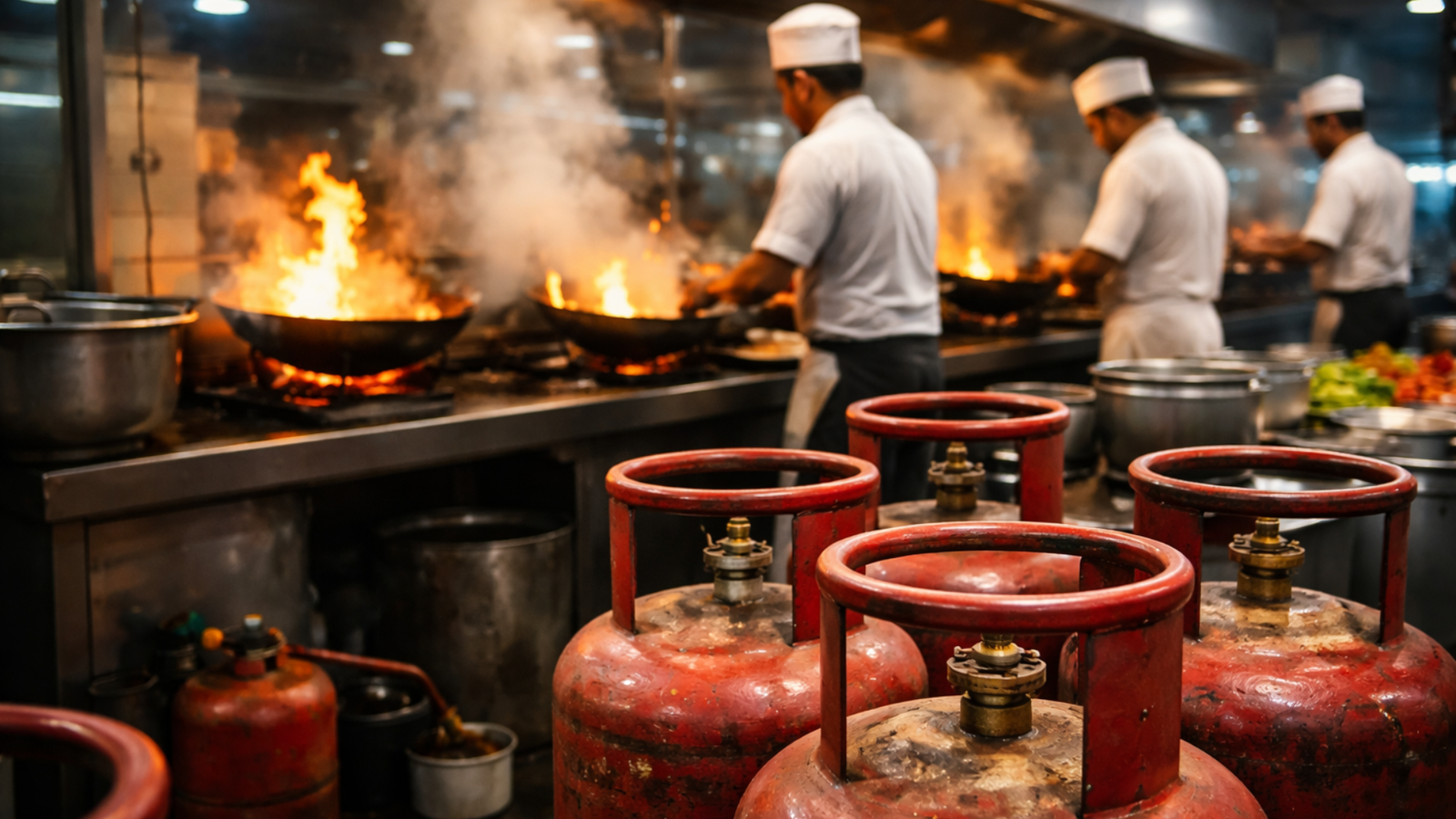
Households often complain that their LPG cylinders run out sooner than usual. There have been cases where the cylinder runs out of gas within a few weeks of delivery. As LPG prices are rising in India, households need to use their cooking fuel in an efficient manner.
For most urban Indian households, LPG cylinders remain the primary cooking fuel. It may not be feasible for people to shift their cooking fuel. Hence, it is essential to be aware of a few checks and use LPG fuel in a more efficient manner. It would enable people to use their LPG cylinders for a longer time and also ensure that the amount of gas delivered with the cylinder is accurate.
Rising LPG prices and concerns over delivery
The price of LPG cylinders used in homes has increased manifold in recent times. For people in most cities in India, the price of a cylinder delivered at their doorstep amounts to around ₹1,000.
Other than the increase in prices, some people also fear that the cylinders may contain less gas than the standard amount. However, such instances are very rare. Nevertheless, if a person is aware of a few simple steps to be followed during the delivery of the gas cylinders, they may be saved from incurring losses.
Also Read | ‘No need to panic’: PM Modi responds to LPG shortage rumours amid West Asia conflict
What is the correct weight of a domestic LPG cylinder?
Some people are unaware of the weight of a full gas cylinder.
A standard domestic LPG cylinder generally weighs around 29.7 kg in total, which includes:
14.2 kg of LPG gas
About 15.5 kg for the empty gas cylinder, known as the tare weight
If the weight is considerably low, it may be a clear indication that the gas is less in the cylinder.
How to check the cylinder during delivery?
A few simple steps may be followed to verify the correctness of the LPG gas.
Ask for weighing during delivery
Consumers can request the delivery personnel to weigh the gas cylinder. This will help verify if the gas is in the correct amount.
Keep a simple weighing scale at home
A hook-style weighing scale is inexpensive and easy to use. With a small investment of around ₹200 to ₹300, households can verify the cylinder weight themselves.
Also Read | Commercial LPG supply curbs put restaurants on edge: Could eating out get more expensive?
Do not depend only on the safety seal
While the safety seal indicates that the cylinder has not been opened, it does not guarantee the exact gas quantity.
Check the tare weight marking
Every LPG cylinder has its empty weight stamped on the body. By comparing this marking with the actual weight of the cylinder, it is possible to calculate the amount of gas left inside the cylinder.
Everyday kitchen habits that help save LPG
Making some changes to your cooking habits can help save LPG. Using a low or medium flame while cooking, soaking grains before cooking, and using a lid while cooking can save LPG. Using a burner that is suitable for the vessel can also save LPG while cooking.
Using a clean burner, preparing ingredients before igniting the fire, and using dry utensils while cooking can save LPG. With an increase in LPG prices, it is important to use LPG efficiently.
With LPG prices continuing to rise, careful usage has become essential for many households. Verifying the cylinder weight during delivery and following efficient cooking practices can help families use their LPG more effectively.