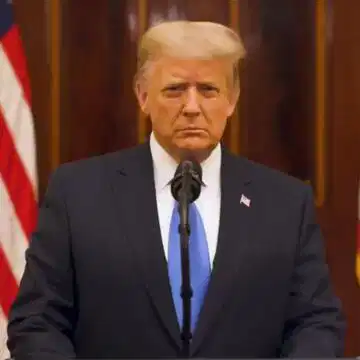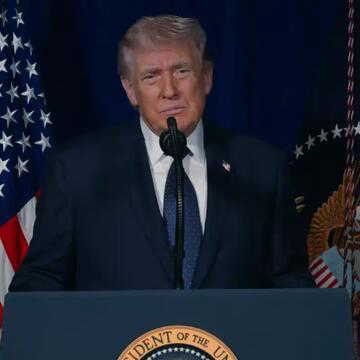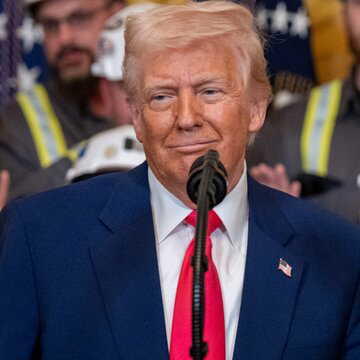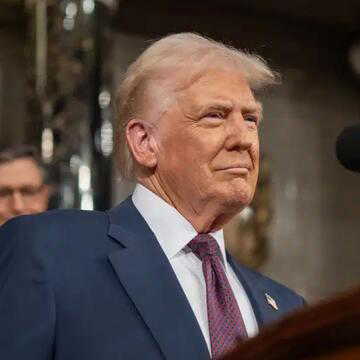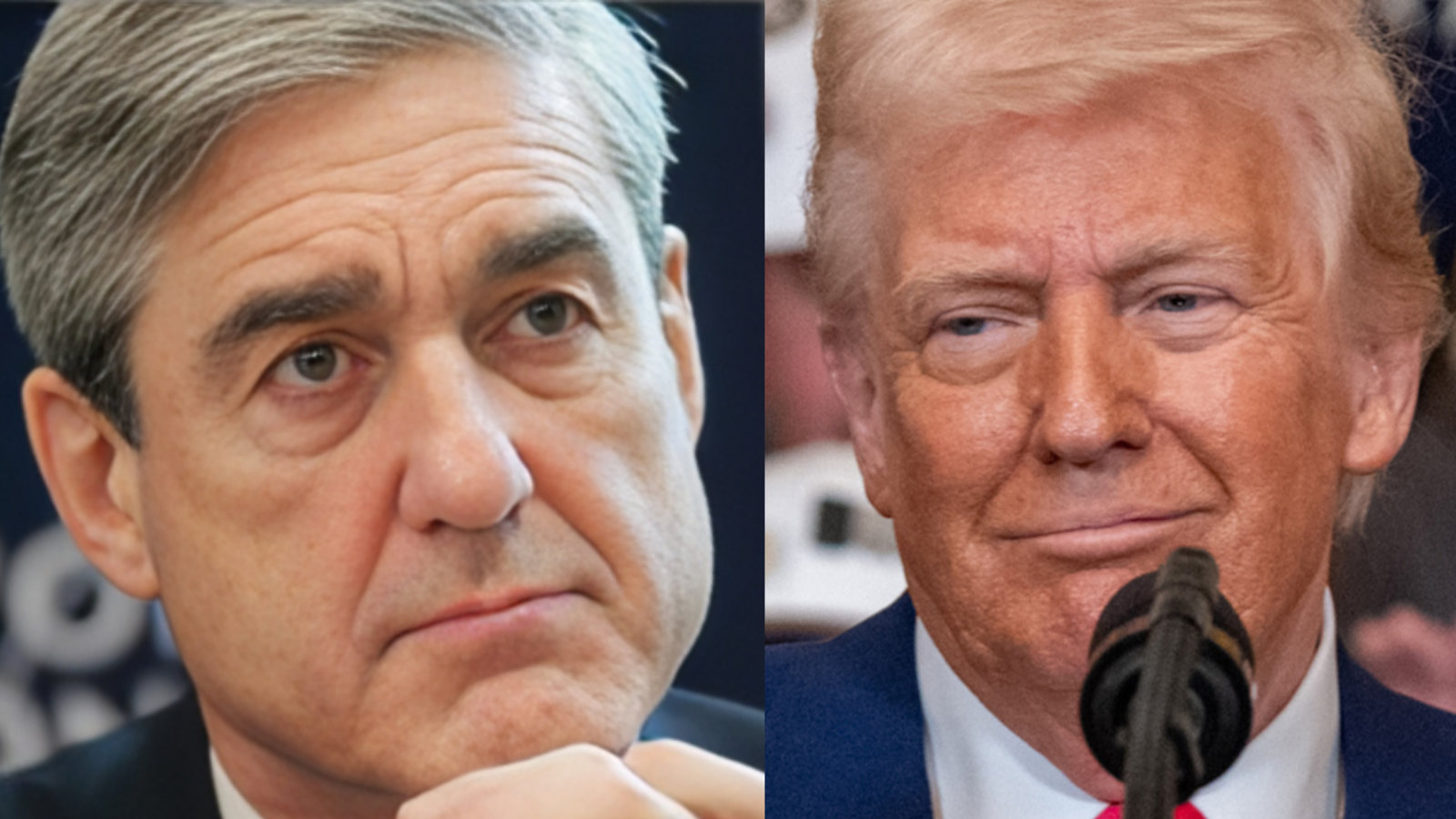
US President Donald Trump sparked controversy after reacting sharply to the death of former FBI Director Robert S. Mueller III, who passed away at the age of 81. Posting on social media, Trump wrote, “Robert Mueller just died. Good, I'm glad he's dead.” He added, “He can no longer hurt innocent people!”
Mueller’s family confirmed his death in a statement, saying, “With deep sadness, we are sharing the news that Bob passed away” on Friday night, while requesting privacy during this time. “His family asks that their privacy be respected”, the statement read further.
Who is Robert S. Mueller III?
Mueller, the second-longest-serving FBI director after J. Edgar Hoover, led the bureau from 2001 to 2013. Appointed by then US President George W. Bush, he assumed office just a week before the September 11 attacks, a moment that redefined the FBI’s priorities.
He studied at Princeton University, later earning a master’s degree in international relations from New York University. He then joined the US Marine Corps, serving for three years during the Vietnam War as an officer leading a rifle platoon. His service earned him several honours, including the Bronze Star, Purple Heart and two Navy Commendation Medals. After returning from the military, he went on to complete his law degree at the University of Virginia.
Also Read | ‘Will hit and obliterate’: Trump issues 48-hour ultimatum to Iran if Strait of Hormuz is not reopened
Mueller started his career as a federal prosecutor, handling a broad spectrum of cases. Between 1976 and 1988, he worked in US attorneys’ offices in both San Francisco and Boston, advancing through the ranks. Later, he worked as the head of the Justice Department’s criminal division in Washington, D.C., handling major cases, which included the prosecution of Panamanian dictator Manuel Noriega and New York crime lord John Gotti.
Under his leadership, the agency moved from traditional crime-fighting to counter-terrorism. This was a major change, which involved significant structural overhauls. The agency had to redistribute thousands of agents to work in counter-terrorism, as well as enhance their intelligence capabilities.
Despite the challenges, which included issues over surveillance, Mueller is credited with modernising the agency.
The Trump-Russia investigation and its impact
Years after leaving the FBI, Mueller returned to public service as special counsel to investigate alleged ties between Trump’s 2016 presidential campaign and Russia. His nearly two-year probe resulted in criminal charges against several Trump associates.
Also Read | Iran oil sanctions eased: Why is US allowing supply amid crude price surge?
The final 448-page report found substantial contacts between the campaign and Russia but did not establish a criminal conspiracy. On obstruction of justice, Mueller wrote, “If we had confidence after a thorough investigation of the facts that the president clearly did not commit obstruction of justice, we would so state. Based on the facts and the applicable legal standards, we are unable to reach that judgment.”
The findings fuelled political divisions, with then Attorney General William Barr concluding that Trump had not obstructed justice.
Before his FBI tenure, Mueller served as a Marine officer in the Vietnam War, earning multiple military honours. He later built a distinguished legal career, handling major criminal prosecutions and rising through the Justice Department ranks.