As evening approaches, most people head indoors, switch on lights, and move on from the day. But a small, growing practice suggests doing the opposite: stepping outside and paying attention to dusk.
A simple act of noticing
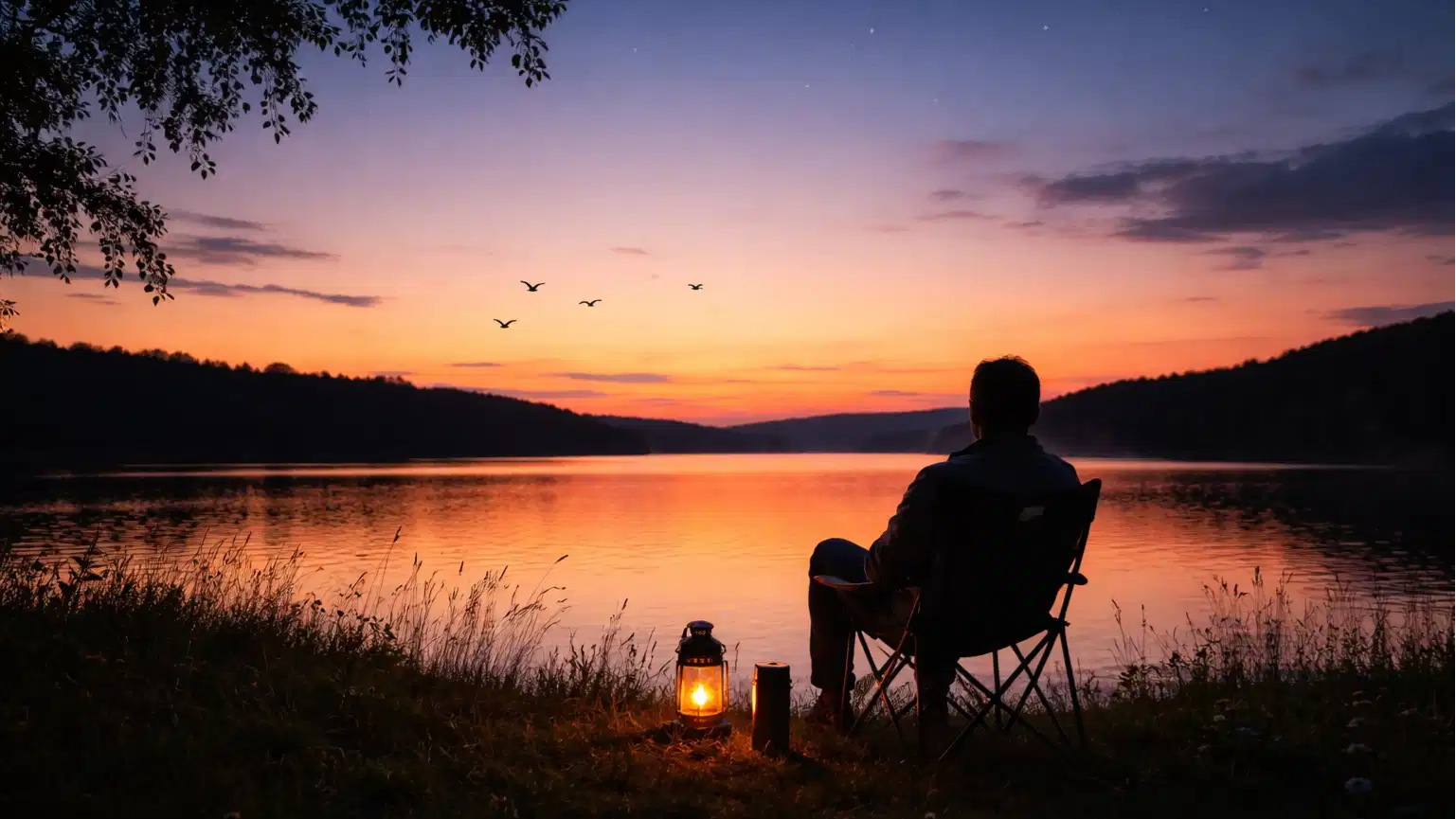
"Dusking" is the act of observing the transition from daylight to darkness. It involves watching the sky change colour, listening to shifting sounds and noticing the gradual quietening of the environment.
Rather than rushing through the end of the day, the practice encourages stillness. It asks for little more than time and attention.
Also Read | FOBO is the new workplace anxiety—here's what it really means
Independent cites Dutch poet Marjolijn van Heemstra describing it as a way to reconnect with natural rhythms. She has popularised the idea through organised gatherings and explains its simplicity: "All you need is a chair and a view," she said.
Roots in older traditions
Though it may feel new, dusking draws from older cultural practices. In parts of Europe and Africa, dusk has long marked a pause; a moment between work and rest.
Artist Lucy Wright has also contributed to reviving this idea. Through her performances, she encourages participants "to dance the old sun down", highlighting the fading of daylight as something to be experienced rather than overlooked, says Independent.
Across cultures, dusk has held symbolic meaning. It represents a shift; from activity to rest, from light to darkness and has often been linked to imagination, folklore and the unfamiliar.
When nature changes pace
Dusk is not just a visual transition. It is a turning point in the natural world.
As daylight fades, many species begin their routines. Bats leave their roosts, moths take flight, and animals like foxes, deer, and hedgehogs emerge. Birdsong changes too, with daytime calls fading and nocturnal sounds taking over.
Researchers often study these periods because of the noticeable shift in animal behaviour. Observing these changes can draw attention to rhythms that often go unnoticed.
A break from constant stimulation
The renewed interest in dusking comes at a time when daily life is dominated by screens and artificial lighting. These often mask the subtle cues that signal the end of the day.
Studies suggest that even brief moments spent observing natural surroundings can support relaxation. Watching light fade, hearing evening sounds, and feeling the air cool can create a gentle transition from activity to rest.
Also Read | Struggling to keep plants alive this summer? Here are 10 budget-friendly indoor plants that thrive in heat
In research conducted in the North York Moors National Park by Independent, participants reported becoming more aware of sounds and smells at twilight. They noticed the shift from birdsong to the hoot of an owl, often leading to moments of quiet reflection.
Today, opportunities to experience natural darkness are shrinking. Artificial lighting has reduced access to dark skies, and fewer people can see stars clearly.
Earlier generations were more accustomed to moving through low light, relying on their senses. That familiarity has gradually faded.
Dusking offers a way to reconnect, even briefly. As the sky darkens and the world slows, it brings attention back to a daily transition that often passes unnoticed.