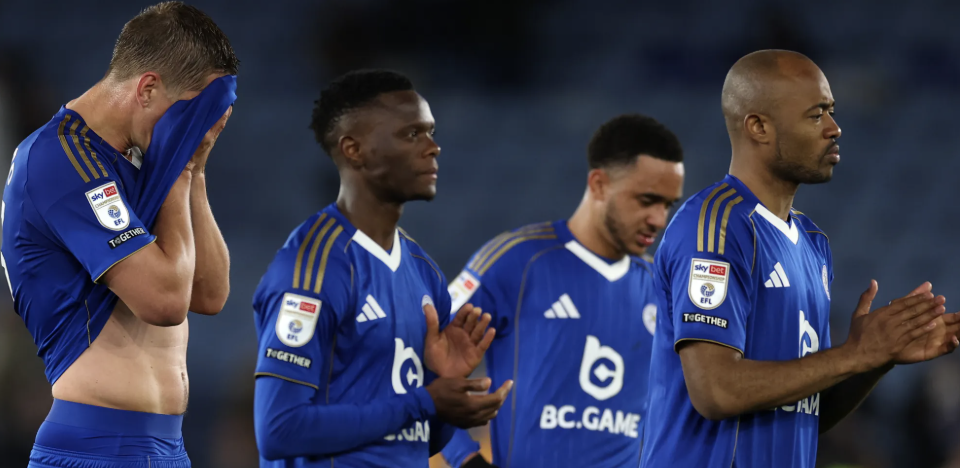
Leicester City’s journey over the past decade reads like two completely different stories. In 2016, they stunned the football world by winning the Premier League against all odds, a triumph often called the greatest underdog story in sport. Fast forward to 2026, and the same club has dropped into League One, completing a stunning fall from the summit to the third tier.
The turning point: loss of leadership
A major shift came after the tragic death of owner Vichai Srivaddhanaprabha in 2018. His leadership had been central to the club’s rise, combining smart investment with stability and a strong club culture. After his passing, control moved to his son Aiyawatt Srivaddhanaprabha, but replicating that same vision and cohesion proved difficult.
While the club still experienced success, including the FA Cup win in 2021, the underlying stability that powered their golden era began to fade.
Managerial instability
Another key factor in the decline has been constant managerial turnover. After the exit of Brendan Rodgers in 2023, Leicester cycled through multiple coaches, including Dean Smith, Enzo Maresca, Steve Cooper, Ruud van Nistelrooy and Gary Rowett.
This lack of continuity made it difficult to build a consistent playing style or long-term squad strategy. Each managerial change brought different ideas, leading to a fragmented team identity.
Financial troubles behind the scenes
Perhaps the most damaging issue has been financial mismanagement. Leicester reported heavy losses, with wages significantly outweighing revenue. Relegation from the Premier League meant a sharp drop in broadcast income, making it even harder to sustain a squad built for top-flight football.
Loans and financial adjustments have only added pressure, while high-earning players have been difficult to move on. Now in the third tier, the club faces stricter financial constraints, limiting their ability to rebuild quickly.
Also Read | India joins FIFA Women’s Development Programme
Missed transitions and recruitment issues
Leicester’s recruitment strategy also failed to evolve. After the departure of key players from their title-winning era, replacements often did not match the same quality or impact. The club struggled to refresh the squad at the right time, leading to a gradual decline rather than a controlled transition.
Also Read | Manchester United delay call on Carrick’s future
What next for the Foxes?
The challenge now is rebuilding identity and stability. Returning to the top tiers will require financial discipline, smart recruitment and, most importantly, patience. Leicester’s story is a reminder that success in football is fragile — and without strong leadership and planning, even the most extraordinary highs can quickly turn into prolonged struggles.