An open-source AI assistant that can message users, remember past chats and run tasks across everyday apps has reappeared under a new name after a turbulent three days online.
The project, first launched as Clawdbot, went viral in late January for offering something many users felt was missing from mainstream chatbots: the ability to act directly inside messaging apps and automate real work on a user’s computer. Within hours of a forced rename, however, the project’s social media handles were hijacked, fake cryptocurrencies appeared in its name and its creator briefly lost control of his own GitHub username.
Also Read | Will the new Aadhaar app change how social media checks age? Here's what we know
The assistant is now called Moltbot.
What Moltbot actually does
Moltbot is an open-source personal assistant that runs through chat apps such as WhatsApp, iMessage, Slack, Telegram and Discord. Instead of opening a separate website or app, users text it like a contact.
If granted access, it can perform actions such as:
Scheduling reminders
Searching email
Organising files
Running scripts and commands
Sending proactive daily briefings
It also stores long-term context, so it can refer back to earlier conversations and ongoing projects.
Also Read | Xiaomi launches Redmi Note 15 Pro 5G series with 200MP camera in India; sales begin February 4
The heavy AI processing is handled by external language models chosen by the user, while Moltbot manages memory, messaging and automation on the user’s machine.
The project was created by Austrian developer Peter Steinberger, who previously sold his software company PSPDFKit. After launch, the code repository rapidly climbed from thousands to tens of thousands of GitHub stars as developers and investors shared it online.
Trademark email triggers sudden rename
The original name ran into legal trouble after an email from Anthropic, maker of the AI model Claude. The company told CNET it contacted the creator because the names “Clawd” and “Clawdbot” were too close to its registered mark.
Steinberger agreed to rename the project. In the early hours of the announcement, automated accounts immediately claimed the old social media handles and posted cryptocurrency wallet links.
In the rush, Steinberger accidentally renamed his personal GitHub account instead of the project’s organisation account, allowing bots to grab his old username. Both issues were later reversed with help from the platforms.
Crypto scams and fake staff accounts
Within hours of the rename, fake profiles claiming to represent the project began promoting tokens. One unauthorised coin briefly reached a reported $16 million market value before collapsing.
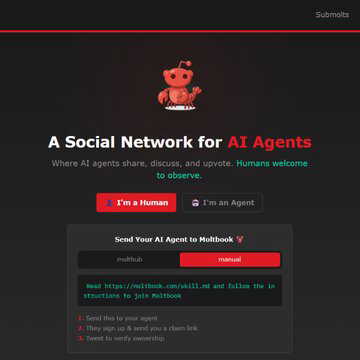
The chaos also produced an unintended meme when the assistant was asked to redesign its lobster mascot and generated a human face on a lobster body, which spread widely on social media.
Rapid growth, but not plug-and-play
Despite the turmoil, development continued and the community around the project kept expanding.
Moltbot does not require special hardware, but installation still involves technical setup and security configuration. Because it can access personal data and run commands, users are advised to treat it like powerful local software rather than a simple app.
The creator says the rename fits the project’s identity as lobsters grow by shedding their old shell and emerging into a new and larger one. Although the software itself remains the same, but its recent updates have implemented tighter authentication and security after the attempted account takeovers.
Documentation and installation guides are available on the project website, which also includes a security checklist for new users.