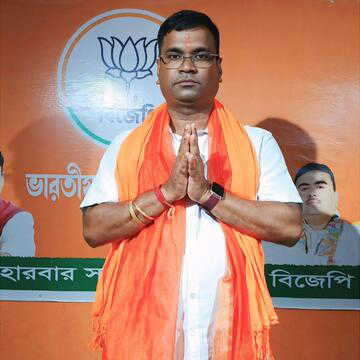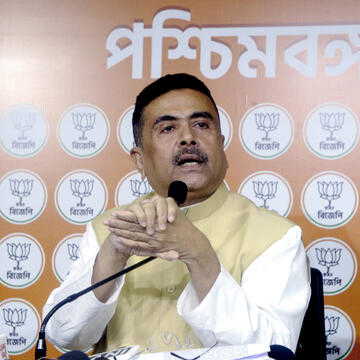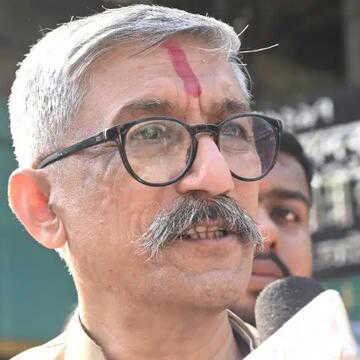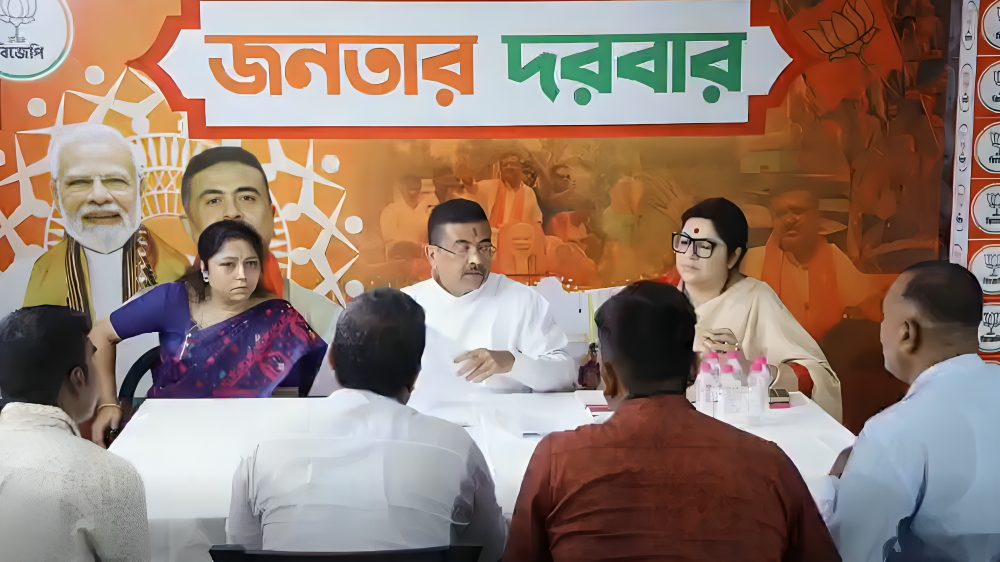
West Bengal Chief Minister Suvendu Adhikari on Monday conducted his second ‘Janata darbar’, engaging directly with citizens and listening to their concerns at the BJP’s state office in Salt Lake.
From early morning, a large number of people gathered outside the office, forming long queues in the hope of meeting the chief minister. Many among them were job seekers, while others arrived with complaints related to civic issues and local administration. Visitors were given slips before being allowed to meet Adhikari, ensuring an organised interaction process.
Citizens raise issues from jobs to local complaints
During the session, individuals were called in one by one for a face-to-face interaction. Several attendees, including students and residents, presented their grievances directly to the chief minister in closed-door meetings. Complaints ranged from employment concerns to allegations linked to ‘syndicate raj’ in certain areas.
Also Read | WB to roll out Ayushman cards in July; cervical cancer vaccination for 7 lakh girls from May 30
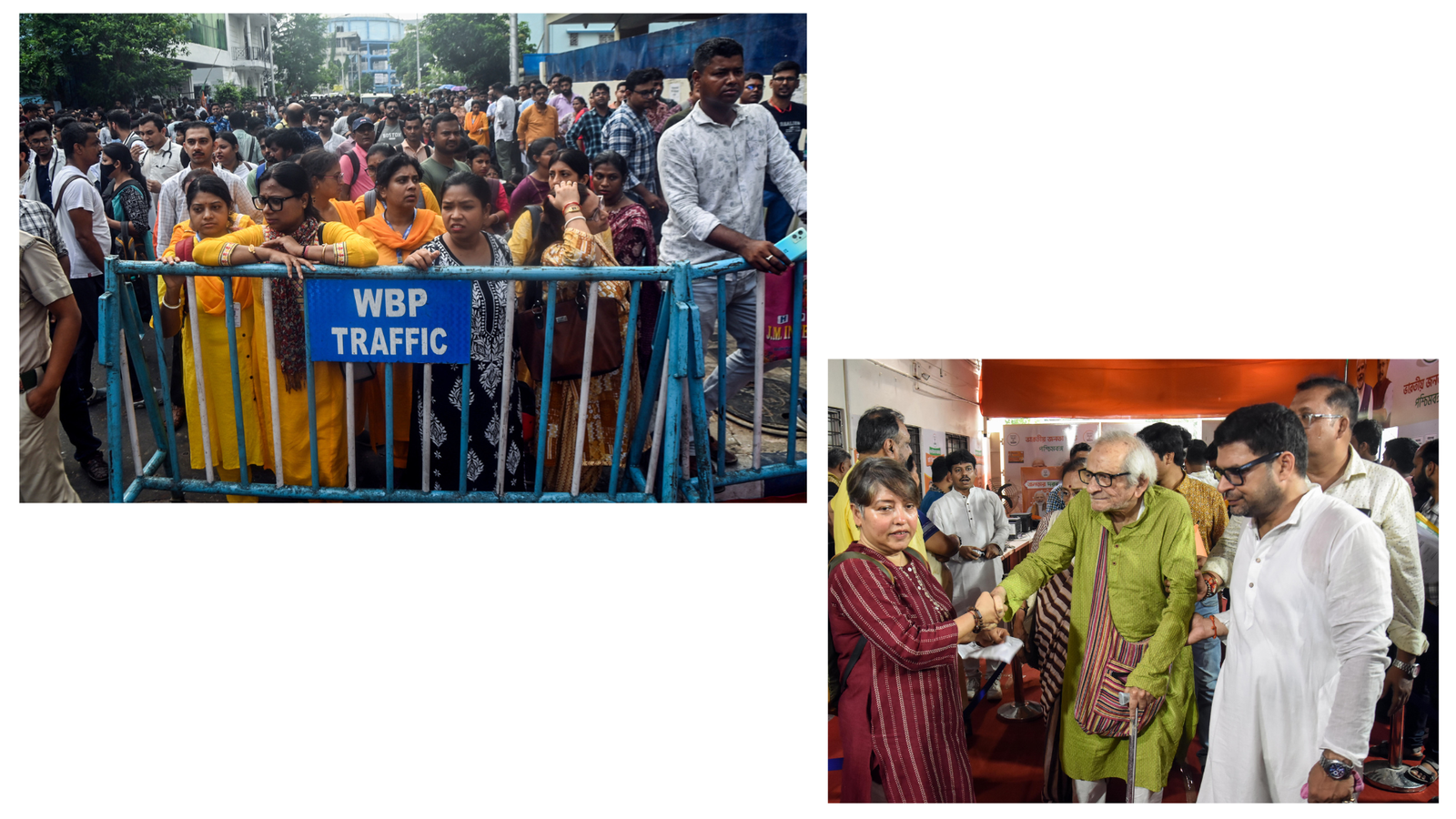 People gather outside the BJP state office to meet West Bengal Chief Minister Suvendu Adhikari during the Janata Darbar /ANI
The initiative allows people to put forward their issues without intermediaries, offering what the administration describes as a more accessible platform for grievance redressal.
A regular feature after taking office
The ‘Janata darbar’ is set to become a regular exercise following Adhikari’s swearing-in as chief minister on May 9. The first such session was held on May 18, marking the beginning of this outreach format in the state.
Officials indicated that these interactions are part of a broader effort to maintain direct communication between the government and citizens. The format, often described as ‘people’s courts’, has been seen in other states as well.
Also Read | BJP storms Falta with massive margin as TMC questions counting process
Model seen in other BJP-ruled states
Similar public grievance hearings have been conducted by leaders like Yogi Adityanath in Uttar Pradesh. The concept has also been used in the past by Nitish Kumar in Bihar.
The initiative is being positioned as part of a governance approach focused on direct public access, aligning with the BJP’s ‘double-engine’ narrative in West Bengal.