The ongoing conflict in West Asia involving Iran, the United States, and Israel is becoming increasingly costly by the day, with Iranian retaliatory strikes reportedly causing huge financial damage worth nearly $800 million to US military infrastructure in the region. According to a report by News18, the attacks targeted key American assets and bases, signalling a sharp escalation in both intensity and financial impact of the war.
Also Read | Is Iran charging $2 million for ships to pass through Strait of Hormuz? Here's what we know
What happened in the region
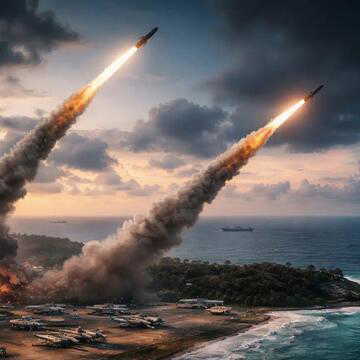
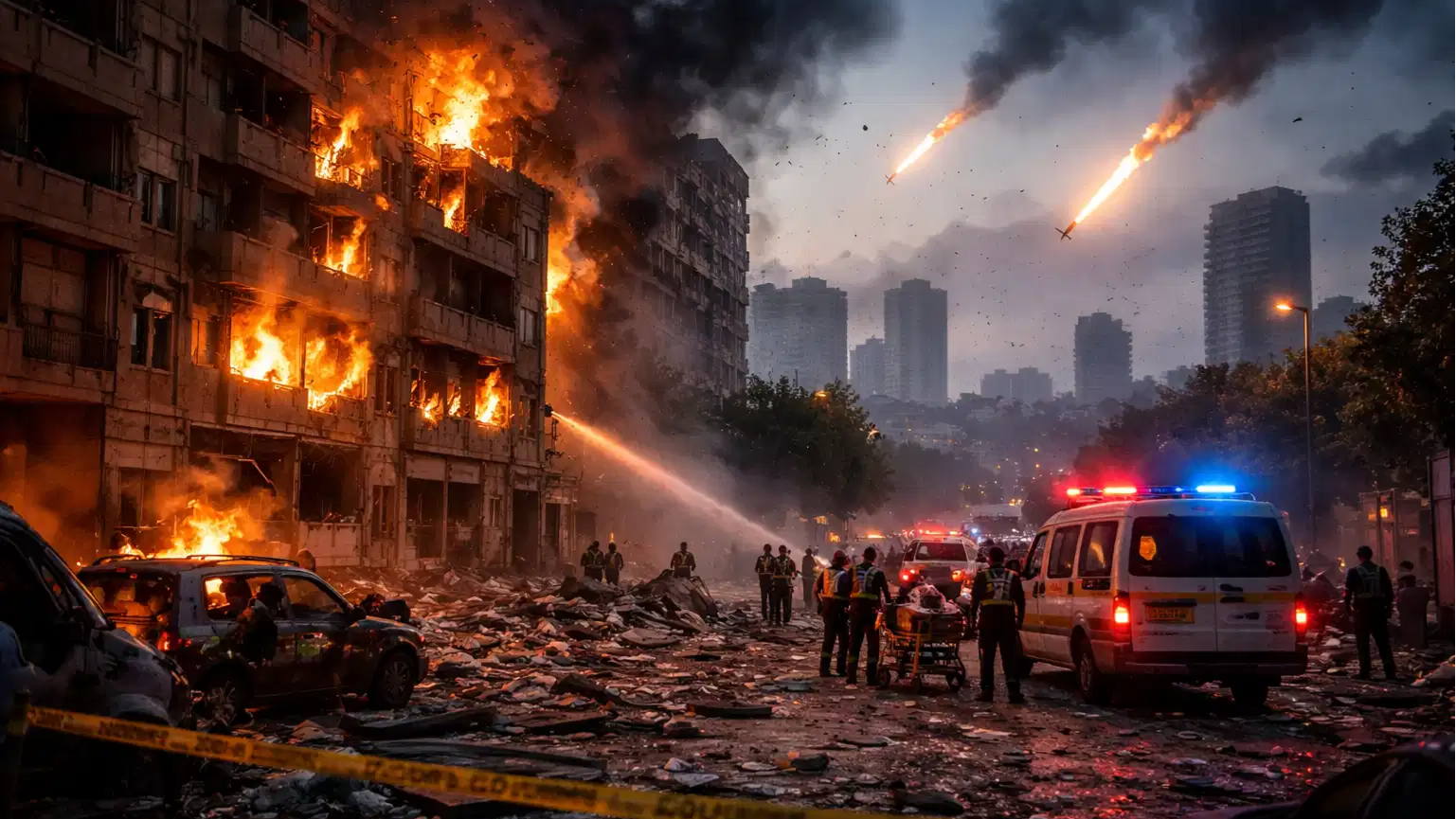
As per reports, Iran has carried out a series of missile and drone strikes targeting US military bases and strategic installations across the Middle East. Several high-value assets, including advanced radar systems and operational infrastructure, were reportedly hit during these attacks. The damage inflicted is estimated to be around $800 million, marking one of the most significant financial blows to US military resources in the ongoing conflict in West Asia.
The strikes form part of Iran’s broader retaliation following joint military actions by the United States and Israel on Iranian targets. Since the conflict escalated in late February, multiple US-linked facilities in countries such as Bahrain, Kuwait, UAE, Qatar & Saudi Arabia have come under attack, with drones, ballistic missiles, and other projectiles being used to conduct the strikes.
Wider implications and rising costs
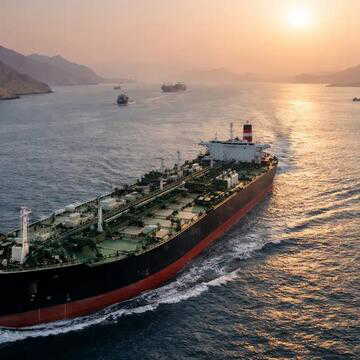
The $800 million damage estimate underlines the rising economic burden of the conflict, not just in terms of military expenditure but also in maintaining and rebuilding critical infrastructure that has been there and been built with a lot of financial resources. The war, now stretching into multiple weeks, has already disrupted key global supply chains and energy routes, particularly around the Strait of Hormuz, a crucial corridor for global oil shipments.
The conflict has also seen a widening geographical spread, with attacks and counter-attacks reported across several countries in the region. From missile strikes on US-linked bases to airstrikes on Iranian military and nuclear facilities, the confrontation is increasingly taking on the shape of a prolonged regional conflict rather than a limited engagement.
Beyond the immediate military and financial costs, the war is also contributing to broader global instability. Rising oil prices, disruptions in trade routes, and heightened geopolitical tensions are beginning to have ripple effects across international markets and economies.
As the situation continues to evolve, the scale of damage and the frequency of attacks suggest that the conflict is far from de-escalation. With neither side showing clear signs of backing down, the economic and strategic costs of the war are expected to rise further in the coming weeks.