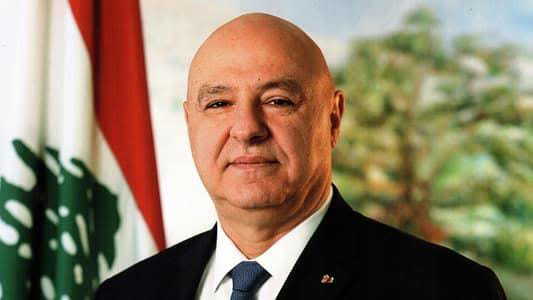
Lebanese President Joseph Aoun escalated his criticism of Iran on Friday, saying in a CNN interview that Tehran was using Lebanon as a “bargaining chip” in its talks with Washington.
Aoun told Iran’s Revolutionary Guard, “It is not your country, it is our country,” and said Lebanese civilians were paying the price for outside interests.
He also said Beirut was ready to pursue diplomacy, including direct negotiations with Israel, as part of efforts to halt the fighting that has engulfed Lebanon’s south and the border with Israel.
Also Read | What happened at Oak Ridge? Report sheds light on Trump's Iran strategy
Based on Mr. Aoun's comments, one would think it's Iran that has occupied 1/5 of Lebanon, displaced 1/4 of Lebanese and bombing his country on daily basis.
— Seyed Abbas Araghchi (@araghchi) June 6, 2026
Had Lebanon been bargaining chip for Iran, we'd have a deal long ago.
Save Lebanon from your real foe, Mr. President. https://t.co/24OJ9uiIXU
Lebanon and Israel ceasefire talks
Aoun’s remarks came as Lebanon and Israel were already engaged in fragile ceasefire discussions.
The two sides had agreed on Wednesday to renew a truce framework that included “pilot” security zones inside Lebanon and a requirement for a complete halt to Hezbollah fire and the removal of Hezbollah operatives from areas south of the Litani River.
In that context, Aoun said, “We are ready, willing and committed to negotiate,” adding that Lebanon had reached a point where more war would only deepen the destruction.
🚨 Lebanese President Joseph Aoun on CNN to Iran and IRGC: “It’s not your country, it’s our country. Our obligation. It’s not your job to interfere in our country.” pic.twitter.com/wFO1bWo54r
— Global News & Geopolitics 🌍 (@GlobalNewsGeo) June 6, 2026
Tehran is not amused, it seems
Tehran responded swiftly. Iranian Foreign Minister Abbas Araqchi rejected Aoun’s accusation in a post on X, saying the Lebanese president’s remarks made it sound as though Iran were occupying parts of Lebanon or bombing the country daily.
Araqchi wrote that if Lebanon were truly a bargaining chip in Iran’s hands, an agreement would already have been reached, and ended his message with the warning: “Save Lebanon from your real enemy, Mr President.”
Also Read | Why is Iran demanding $24 billion from the US right now?
Wider divisions over a ceasefire deal
The dispute underscores the wider political split around any ceasefire deal.
Hezbollah chief Naim Qassem has rejected the draft arrangement as “surrender,” while Lebanese Parliament Speaker Nabih Berri, a Hezbollah ally, has said he would support Hezbollah’s withdrawal from south of the Litani River if Israeli forces also pull back.
Israeli officials, meanwhile, have continued to argue that any lasting arrangement must lead to Hezbollah’s demilitarisation and stronger Lebanese state control in the south.