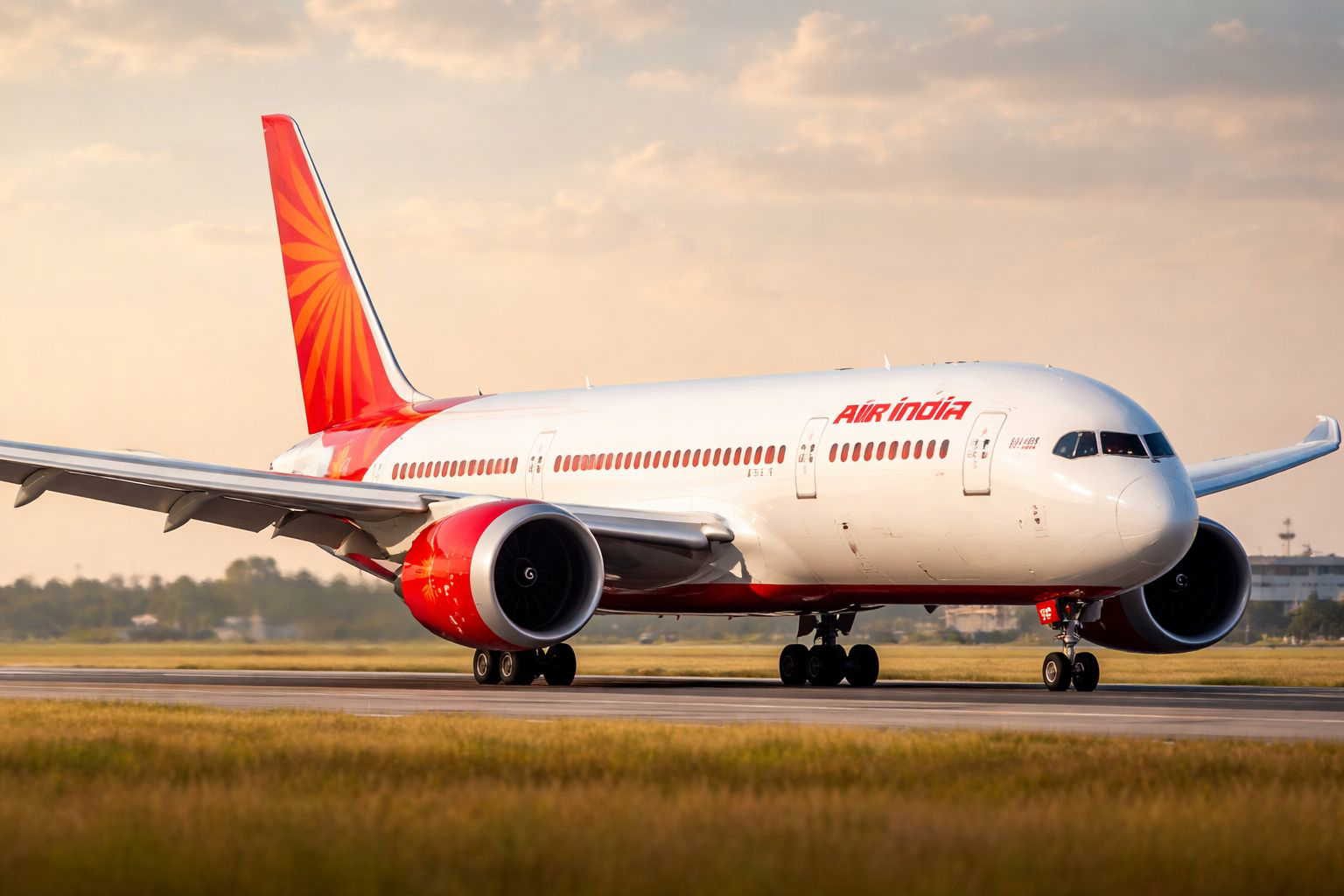
A Vancouver-bound Air India flight from Delhi was forced to return to its origin after it was found that the aircraft deployed for the service did not have the required approvals to operate into Canada. The incident occurred on March 19 and involved flight AI185, operated by a Boeing 777-200LR.
According to a Hindustan Times report, people familiar with the matter said the aircraft remained airborne for several hours before turning back. Data from Flightradar24 shows that the flight reversed course while over Chinese airspace, after roughly four hours in the air.
Also Read | Delhi weather update: Dense fog in late March as temperatures dip, IMD explains
Airline response and passenger arrangements
“Air India flight AI185, operating from Delhi to Vancouver on March 19, returned to Delhi due to an operational issue, in line with established standard operating procedures. The aircraft landed safely, and all passengers and crew disembarked safely,” Hindustan Times quoted an Air India spokesperson said on Friday, adding that the flight departed for Vancouver the next morning, without sharing further details.
Aircraft approval mismatch at the centre
Officials said, “The flight should have been operated using a Boeing 777-300ER aircraft, which has the necessary approvals for operations to Canada,” an official said, adding, “This aircraft wasn’t allowed to operate into Canada because the approvals are specific to certain variants like the Boeing 300ER.”
“You can’t just send a different aircraft, for instance, one cannot operate a B777 200LR or a B787 without prior clearance, since airport infrastructure, ground handling, and parking gates are configured accordingly”, Hindustan Times quoted another official as saying.
Also Read | 60% free seats on flights: Govt announces sweeping airline reforms- all you need to know
Aviation sources explained that international routes require aircraft-specific permissions. These depend on regulatory clearances, airport infrastructure, ground handling compatibility, and parking gate configurations at the destination. Deploying a different aircraft without prior clearance is not permitted under standard operating procedures.
Officials also flagged the financial impact of the incident. “The aircraft was airborne for about seven to eight hours, including the time it spent over Chinese airspace. Fuel burn alone would be significant. Add to that passenger accommodation and the opportunity cost, and the total loss could run into a few crores,” the person said.