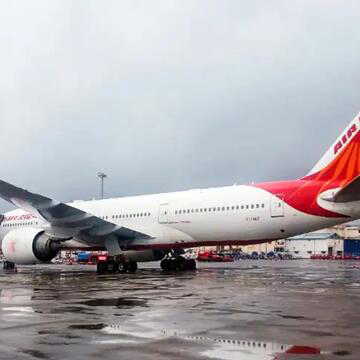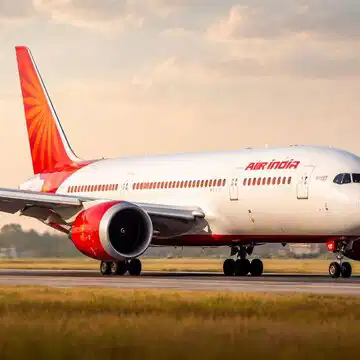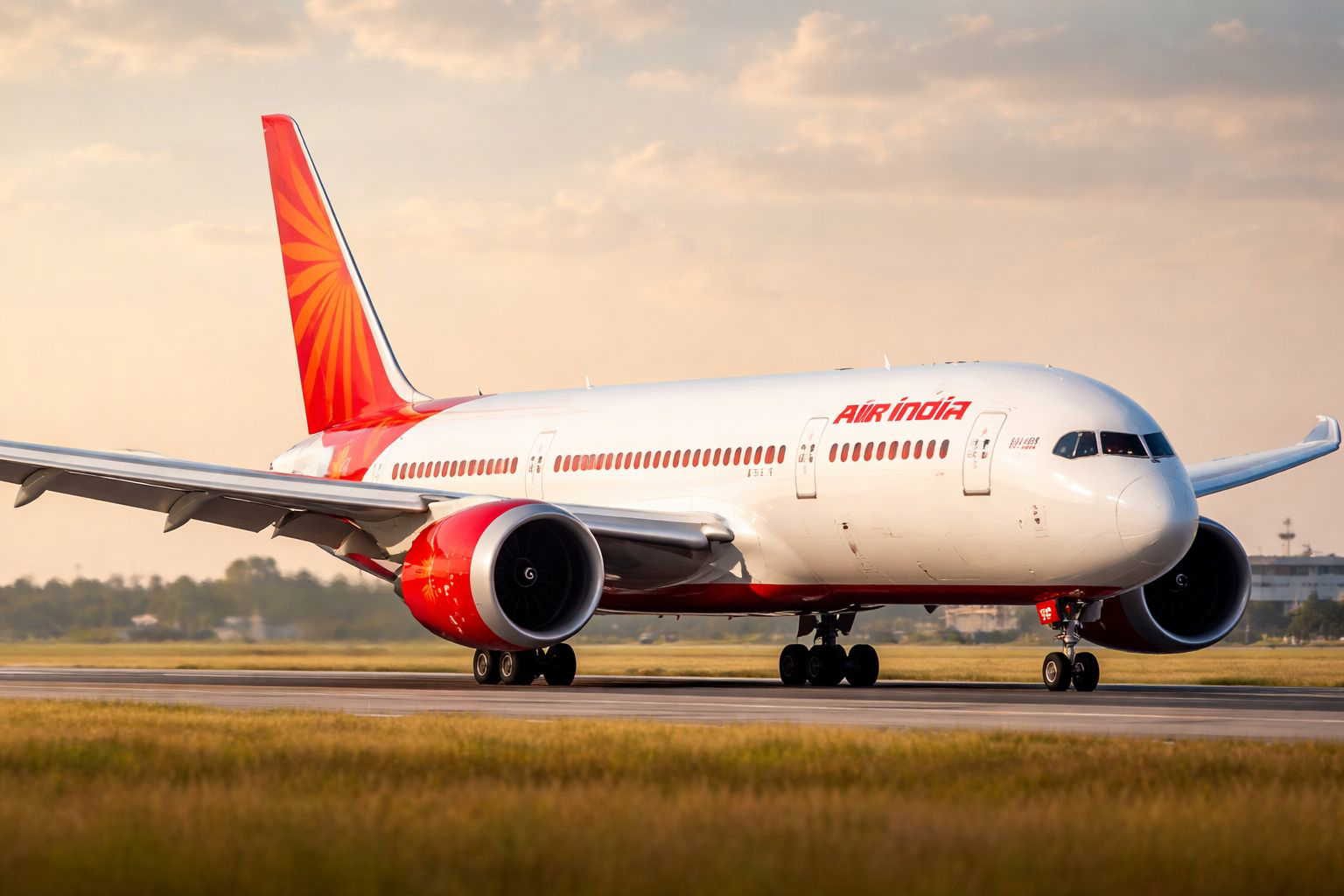
Air India’s West Asia operations have taken a major hit, with nearly 2,500 flights scrapped over the past three weeks due to disruptions caused by the ongoing Iran conflict. The airline is currently operating only about 30% of its normal schedule in the region, according to chief executive officer Campbell Wilson.
In an internal communication to employees, Wilson highlighted the scale of disruption and its direct impact on operations.
“The world, our region and our industry continue to contend with the impact of the ongoing conflict in the Middle East…the impact on Air India Group is significant given the usual scale of our operations to, and through, the Middle East,” Wilson said in the note.
Severe operational disruption
The airline’s ability to maintain normal schedules has been significantly affected by safety concerns and restricted airspace.
Also Read | Centre lifts domestic airfare caps amid rising fuel costs, West Asia tensions
“In the three weeks since the conflict started, we have had to cancel around 2,500 flights to the region. As of today, we can operate only around 30% of our normal Middle East schedule because airports and/or airspace are closed, or are assessed to be beyond our safety thresholds,” he stated.
Flights to other international destinations are also facing longer routes due to rerouting requirements.
“Other flights to the UK, Europe and North America are being rerouted even further from the already longer flight paths we’ve been using since the Pahalgam event last year, consuming more fuel and adding more time,” he said.
Rising costs and demand concerns
The disruption is beginning to reflect in operational costs, particularly fuel.
“Most of the impact will only hit us from next month,” Wilson said, noting that jet fuel prices have more than doubled. He added that the airline has already imposed a fuel surcharge on new tickets.
At the same time, pricing flexibility remains limited due to demand sensitivity.
“Not every customer is willing to pay higher airfares, so there is a limit to how high we can price before demand drops,” he said.
Also Read | Air India, IndiGo, SpiceJet push back on free seat mandate, flag fare hike risk
Shifting network strategy
Despite the challenges, Air India is identifying alternative opportunities.
“Depending on how fuel costs, airfares and customer demand move, we may also have to adjust. For now…we should continue to focus on safe operations, keep tighter-than-ever control of non-urgent or unnecessary expenditure, support each other and keep delivering great Air India service,” Wilson said.
He also acknowledged staff efforts, particularly those who are “physically in the affected Middle East”, noting that teams are “constantly monitoring and adjusting operations as the environment changes,” while emphasising that safety remains the “overriding priority”.