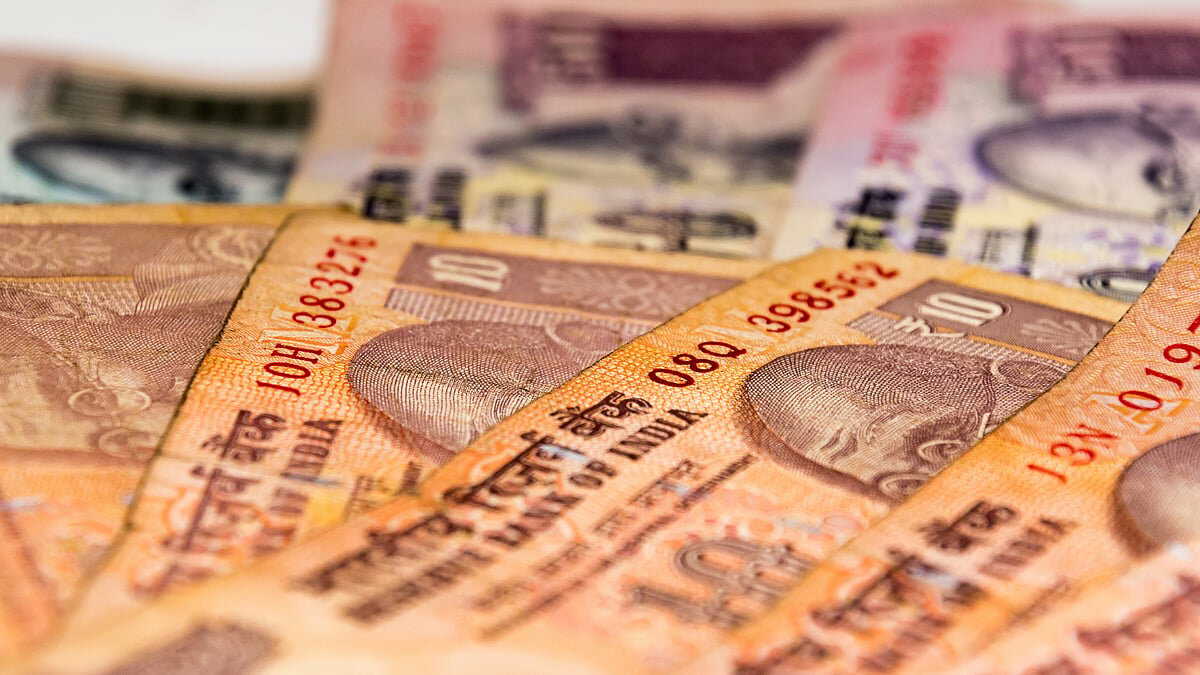
The lack of smaller denominations in circulation is forcing people to move from shop to shop in search of change. It is becoming a very common scene even in the era of UPI, while ATMs are only dispensing ₹500 notes. In Kolkata, finding a ₹10 note has become particularly difficult, and when available, these notes are often torn or damaged. To address this inconvenience, the central government is now considering special measures to ensure easier access to small-denomination currency.
Also Read | Gold hits record high, price crosses $5,000 as investors seek safety
India is now the world’s fourth-largest economy and also ranks among the global leaders in digital payments, including UPI. Yet, daily economic transactions continue to depend heavily on cash. UPI is still not accepted everywhere, and many citizens are not accustomed to digital payment systems. As a result, the demand for small change remains critical.
How the solution will work
Hybrid ATMs are being considered that would dispense ₹10, ₹20, and ₹50 notes. Alongside this, there is another proposal under consideration, designing ATMs that can provide change in smaller denominations instead of only large notes. The plan is to place such ATMs strategically in commercial areas with high transaction volumes, as well as in transportation hubs, hospitals, and markets.
Pilot project and unanswered questions
A pilot project is already underway in Mumbai to test the effectiveness of this plan. If the results are encouraging, it is believed that the system could be rolled out across the country in phases.
Also Read | What is LTCG tax and why does its abolition feature in every Budget debate?
However, questions remain. At a time when banking systems are pushing for greater digitization, there are doubts about how effective such a model will be. There are also concerns about supply. Currently, most ATMs dispense only ₹500 notes, while some provide ₹100 or ₹200 notes, which are generally in good condition. In contrast, ₹10 and ₹20 notes in circulation are often stained, torn, or damaged, and shopkeepers frequently refuse to accept them.
Coins of ₹10 and ₹20 have also become widely available. This has led many to question how beneficial these ATMs will be unless the supply of small-denomination notes is increased.