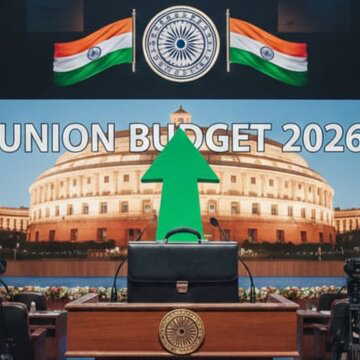
With the Union Budget set to be presented on February 1, expectations from industry are centred on manufacturing growth and tax reliefs as India positions itself as a global production hub this year.
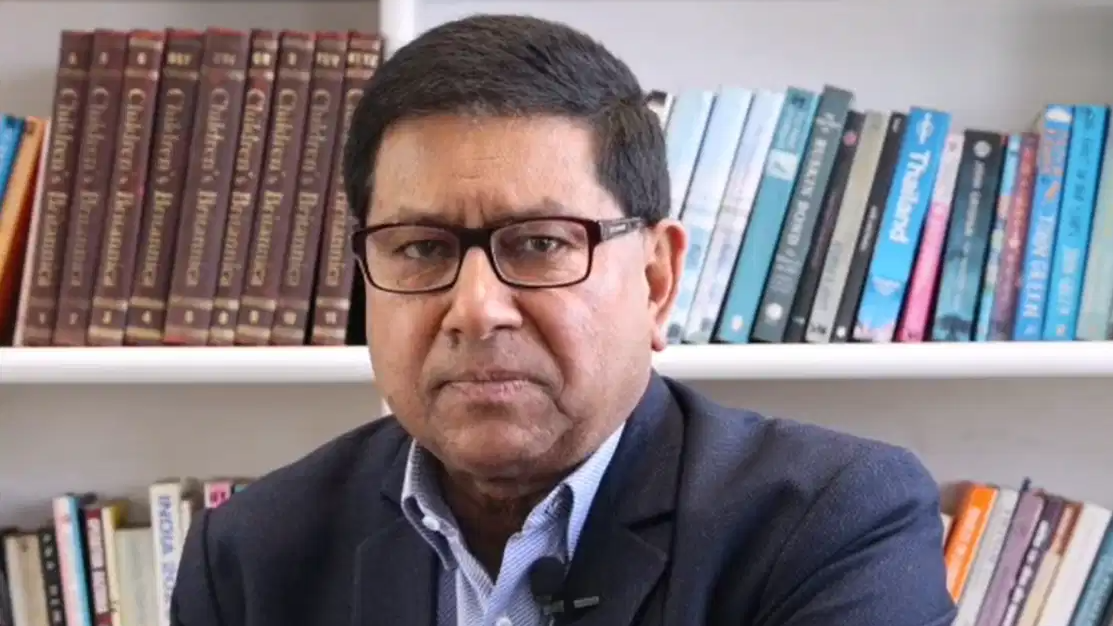
Meanwhile, Sanjay Budhia, MD, Patton exclusively shares his budget expectations of this year, highlighting how global confidence in India is growing and why timely policy support is crucial to sustain momentum.
ALSO READ | Dalal Street stages comeback after morning fall amid optimism from Economic Survey
Manufacturing and export support in focus
India is being increasingly viewed as a manufacturing base and a potential global powerhouse, a shift that, according to Budhia, calls for swift action. He said, “What is looking at India as a manufacturing base, as a manufacturing powerhouse and we must act and fasten our seatbelts.” He pointed out that growing global trust was reflected in recent trade developments, noting that “the recent India-EU trade act proves that all the nations, powerful nations, are putting their confidence in doing, in enhancing their relationship whether trade and bilateral mutual import or exports, that is a significant milestone.”
It was stressed by Budhia that export infrastructure and support systems need to be strengthened at the right time. According to him, “the export infrastructure, export interventions must be done at regular intervals and at the moment when the pain is there and remedy is required.”
The reduction in interest subvention was flagged as a slight concern, with a clear demand he added,“interest subvention scheme which was earlier provided at 5% and now reduced to 2.75% must be restated for all, not only limited to medium and small scale because ultimate pain is suffered by everybody.”
ALSO READ | Want Adobe Express Premium access for free? Here's how you can access it - a complete guide
The need for industrial parks, export logistics hubs and inland water container depots was also highlighted as a long-pending industry demand.
Tax reliefs and long-term growth vision
On the taxation front, several reforms were sought by him to ease pressure on individuals and investors. The abolition of dividend tax was proposed as one key measure. It was also suggested that couples should be taxed as a combined entry, as this could increase disposable income, regardless of whether the wife or husband earns more.
Another concern was raised around long-term capital gains on debt funds, which are currently taxed at the full rate. It was requested that these gains be taxed at 12.5 percent, in line with equity-based mutual funds.