After 15 years, West Bengal has seen a major political transition, with the BJP securing a decisive mandate. The formation of a “double-engine government” at both the Centre and the state has sparked fresh expectations among industry leaders and business communities, who are now watching closely for signs of policy momentum and coordination.
From industrial hub to gradual decline
There was a time when Bengal stood at the heart of India’s industrial map. Sectors like steel, engineering, jute, and heavy industries flourished, while Kolkata emerged as eastern India’s commercial nerve centre. Over time, however, that position weakened. In 1960–61, the state’s per capita income was 127.5 per cent of the national average, but by 2023–24 it had diminished to 83.7 per cent. The state's share in national GDP also dropped from 10.5 per cent to 5.6 per cent over the same period, as per data from the Prime Minister’s Economic Advisory Council.
Also Read | What industrialists expect from incoming Bengal government | Explainer
How decades of setbacks slowed Bengal’s industrial growth
The slowdown cannot be traced to any single phase. Political unrest in the late 1960s and 70s, combined with aggressive trade union activity and frequent lockouts, created uncertainty for investors. During the Left Front era, land reforms and rural development were prioritised, but there was early hesitation around large private and foreign investments. This gradually placed Bengal behind western and southern states. Even later efforts, such as bringing Tata Motors to Singur, could not materialise after prolonged protests pushed the project out of the state to Gujarat.
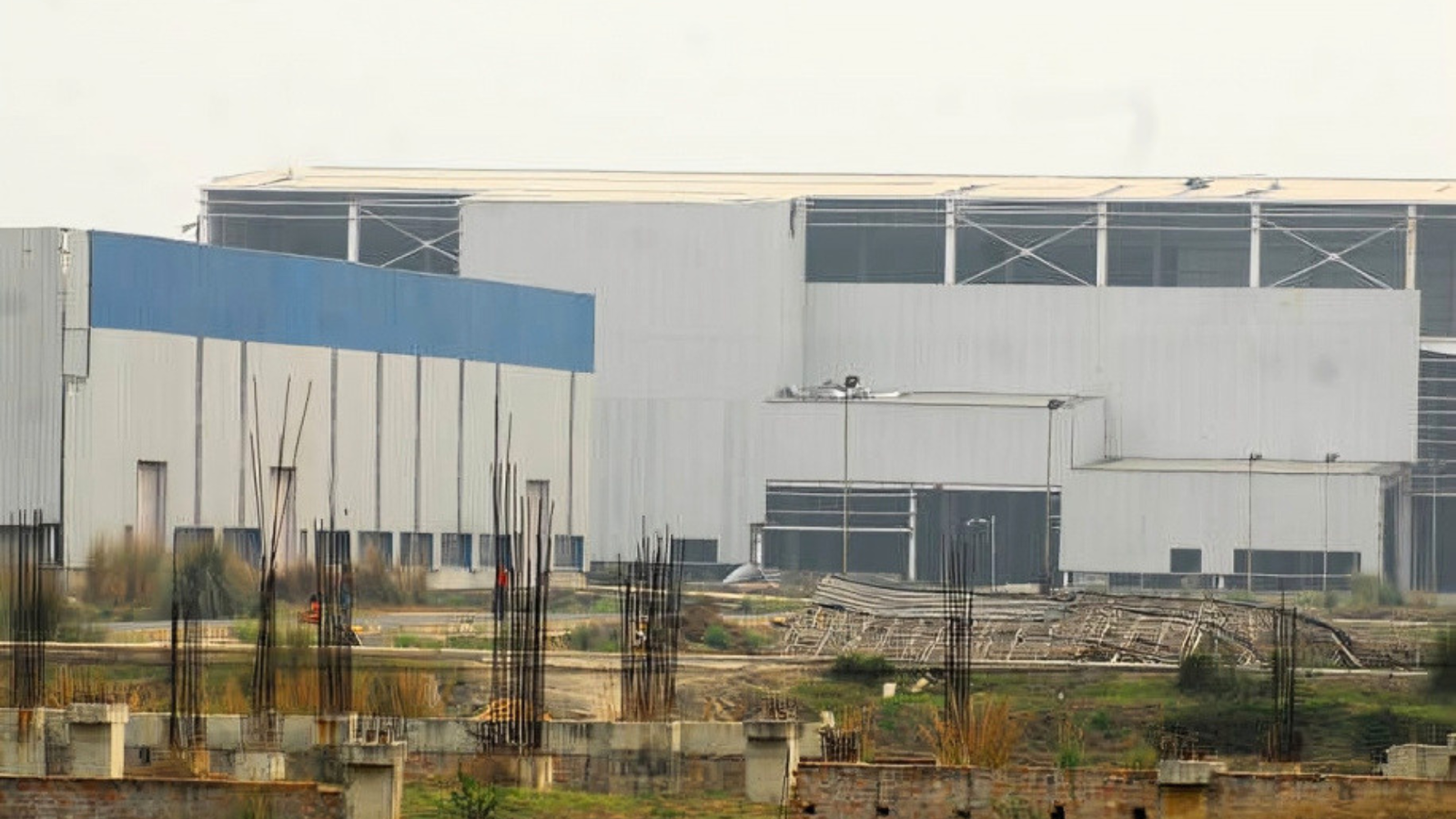 Singur Tata Nano plant /Getty Images
Post-2011, the Trinamool Congress government attempted to project a business-friendly image through investment summits and welfare expansion. Yet, measurable outcomes remained modest. NITI Aayog’s macro-fiscal data shows that between 2012–13 and 2021–22, the state’s real GSDP growth averaged 4.3 per cent, below the national average of 5.6 per cent. During recent years, several companies also shifted their registered offices out of Bengal, reflecting ongoing structural concerns.
Centre-state alignment opens doors for revival
The current political alignment is being seen as an opportunity to reset priorities. For meaningful industrial revival, attention will need to focus on policy execution, faster clearances, infrastructure upgrades, and resolving land-related hurdles. Strengthening industrial relations and improving the ease of doing business remain key areas.
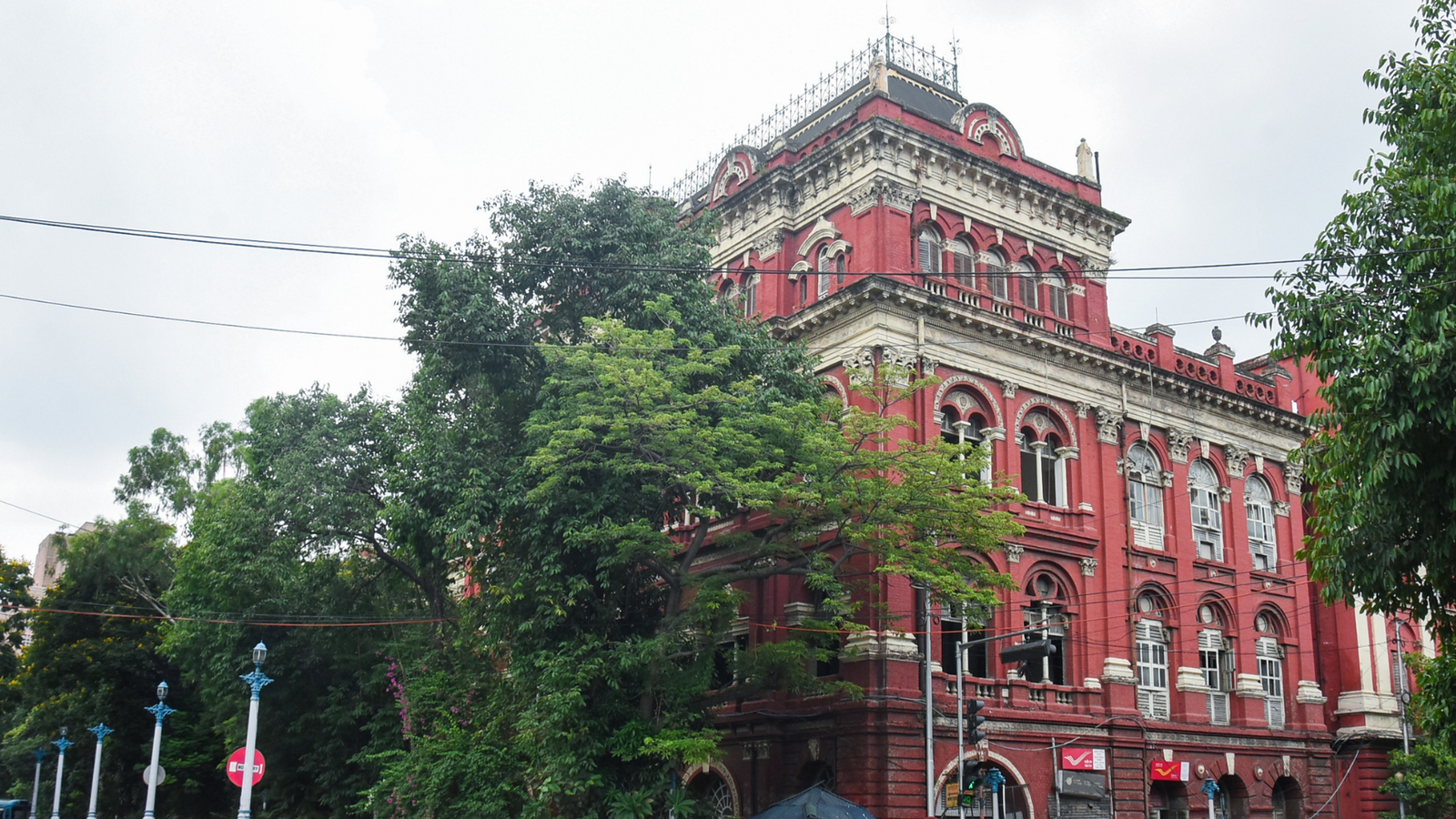 A view of the Writer's Building /ANI
The decision to shift the administrative headquarters back to the Writers’ Building from Nabanna could also have an economic ripple effect. When the secretariat shifted in 2013, commercial activity in the B.B.D. Bagh area slowed due to reduced daily footfall. A return could help revive small businesses dependent on administrative traffic.
Also Read | India identifies 100 products for domestic manufacturing push as ‘Made in India’ label nears launch
With initiatives like ‘Purvodaya’ aimed at boosting eastern and northeastern India, Bengal’s role becomes critical. Its location and connectivity are central to logistics and industrial expansion in the region.
Bengal’s strengths remain intact, from its skilled workforce to its geographic advantage. The challenge now lies in consistent implementation, modern infrastructure, and creating a stable environment for industry. Without that, expectations of revival may remain unrealised.