In the vast landscape of modern pop culture, very few television shows have achieved the mythical status of The Simpsons. At first glance, it is simply an animated sitcom about a dysfunctional American family living in the fictional town of Springfield. Homer is careless, Marge is patient, Bart is rebellious, Lisa is brilliant, and Maggie silently observes the madness around her. But over the last three and a half decades, this yellow-skinned cartoon universe has grown into something far larger than a comedy show.
It has become a cultural archive.
A political mirror.
A social laboratory.
And, for many people, a strangely accurate window into the future.
Since its official debut in 1989, The Simpsons has not only entertained audiences across generations but also documented the anxieties, absurdities, ambitions, and contradictions of the modern world. It has mocked politicians, predicted technological shifts, satirized consumer culture, exposed corporate greed, laughed at media sensationalism, and captured the emotional temperature of entire eras.
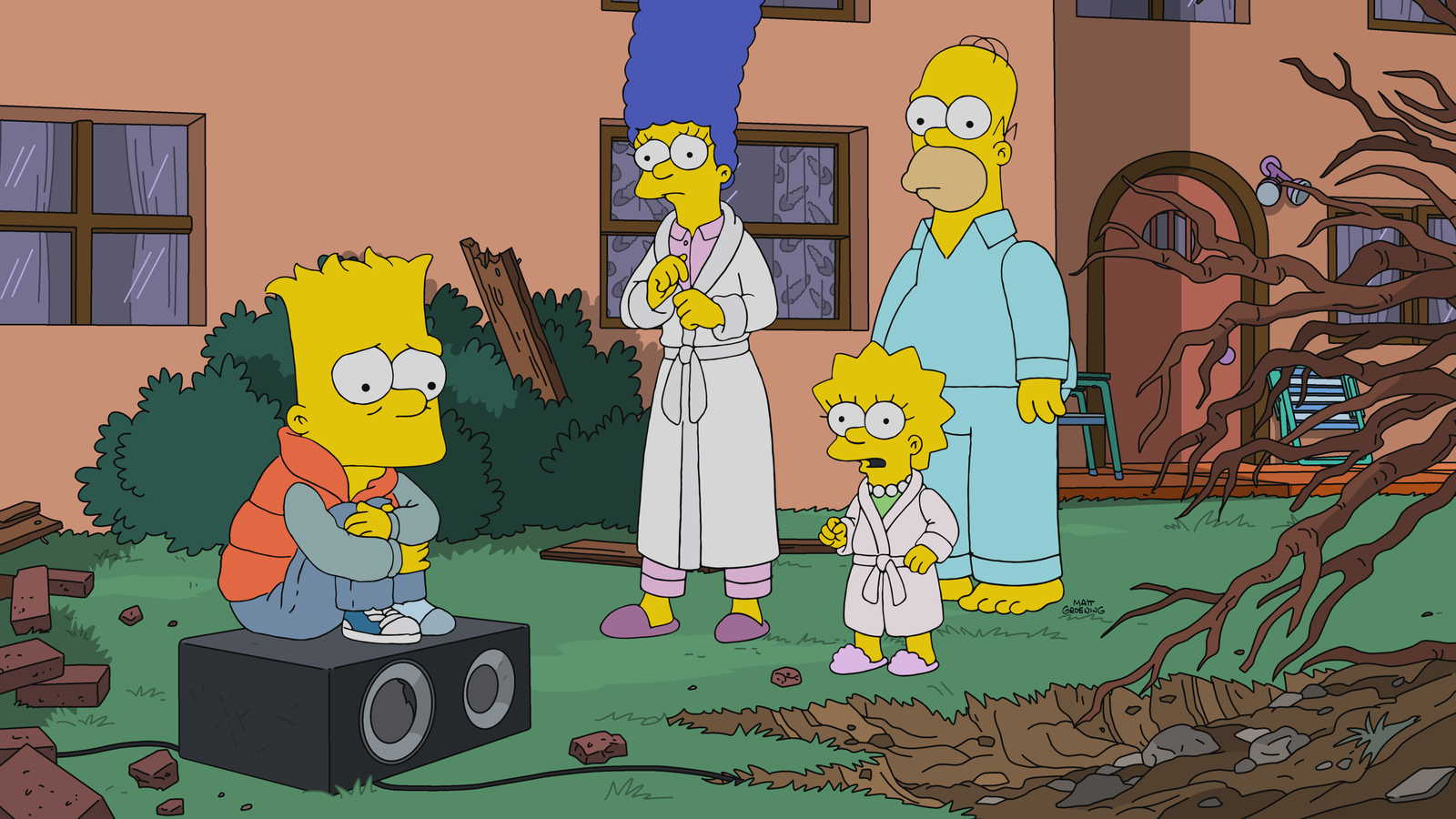 X/ The Simpsons
But what makes the show truly extraordinary is not merely its longevity. It is the eerie way in which certain scenes, jokes, throwaway lines, background gags, and fictional scenarios later appear to echo real-world events. Sometimes these similarities are loose and symbolic. Sometimes they are surprisingly specific. And sometimes they are so uncanny that they force even skeptical viewers to ask a difficult question:
How did they know?
A comedy show that became a prediction machine
The idea that The Simpsons “predicts the future” has now become a global internet phenomenon. Social media platforms are filled with side-by-side comparisons: one frame from an old episode, one photograph from real life, and a caption suggesting that the show had already seen it coming.
Also Read | BLACKPINK takes over Met Gala 2026, Jisoo makes dazzling debut
Of course, not every claim is accurate. Many viral posts exaggerate, distort, or take scenes out of context. Some so-called predictions are edited, misdated, or completely fabricated. Yet even after removing the false claims, there remains a fascinating list of moments where the show appeared to anticipate future developments with remarkable sharpness.
One of the most famous examples is the episode “Bart to the Future,” aired in 2000, where Lisa Simpson becomes President of the United States and casually refers to inheriting “quite a budget crunch from President Trump.” At the time, Donald Trump was known primarily as a businessman, media personality, and celebrity figure. His eventual rise to the American presidency in 2016 turned that line into one of the most discussed pop-culture “predictions” of the century.
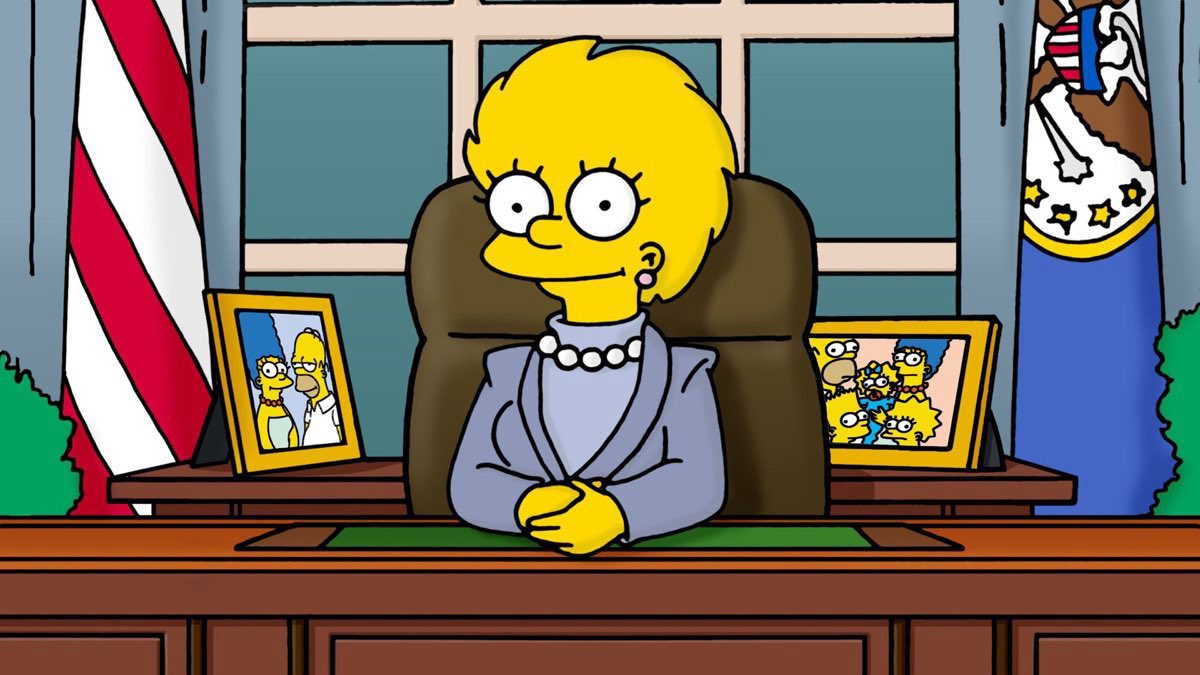 Bart to the Future episode X/ The Simpsons
Then there is the case of smartwatches. Long before wearable technology became common, The Simpsons showed characters communicating through wrist-based devices. What once looked like a futuristic joke later became everyday reality through products like the Apple Watch and other smart wearable devices.
Another widely discussed example is the show’s apparent anticipation of video calls. In earlier decades, the idea of speaking to someone face-to-face through a screen still felt futuristic to many households. Today, after Zoom meetings, FaceTime calls, Google Meet sessions, and pandemic-era remote work, that once-comic visual feels almost ordinary.
The show also joked about autocorrect errors before smartphone autocorrect became a daily frustration. In one early episode, a message intended to say one thing gets changed into something absurd by a digital device. Years later, millions of people would experience the same irritation through mobile keyboards.
These examples reveal something important: The Simpsons did not simply guess random events. It often identified the direction in which society was already moving. Its writers understood technology, politics, capitalism, media behavior, and human stupidity with unusual clarity.
The power of satire: Why the absurd often comes true
To understand the mystery of The Simpsons, we must first understand satire itself.
Satire is not prophecy in the religious sense. It does not require supernatural vision. Good satire works by exaggerating existing tendencies until their hidden truth becomes visible. A satirist looks at the present and asks: “If this continues, what ridiculous thing might happen next?”
That is exactly where The Simpsons has always been brilliant.
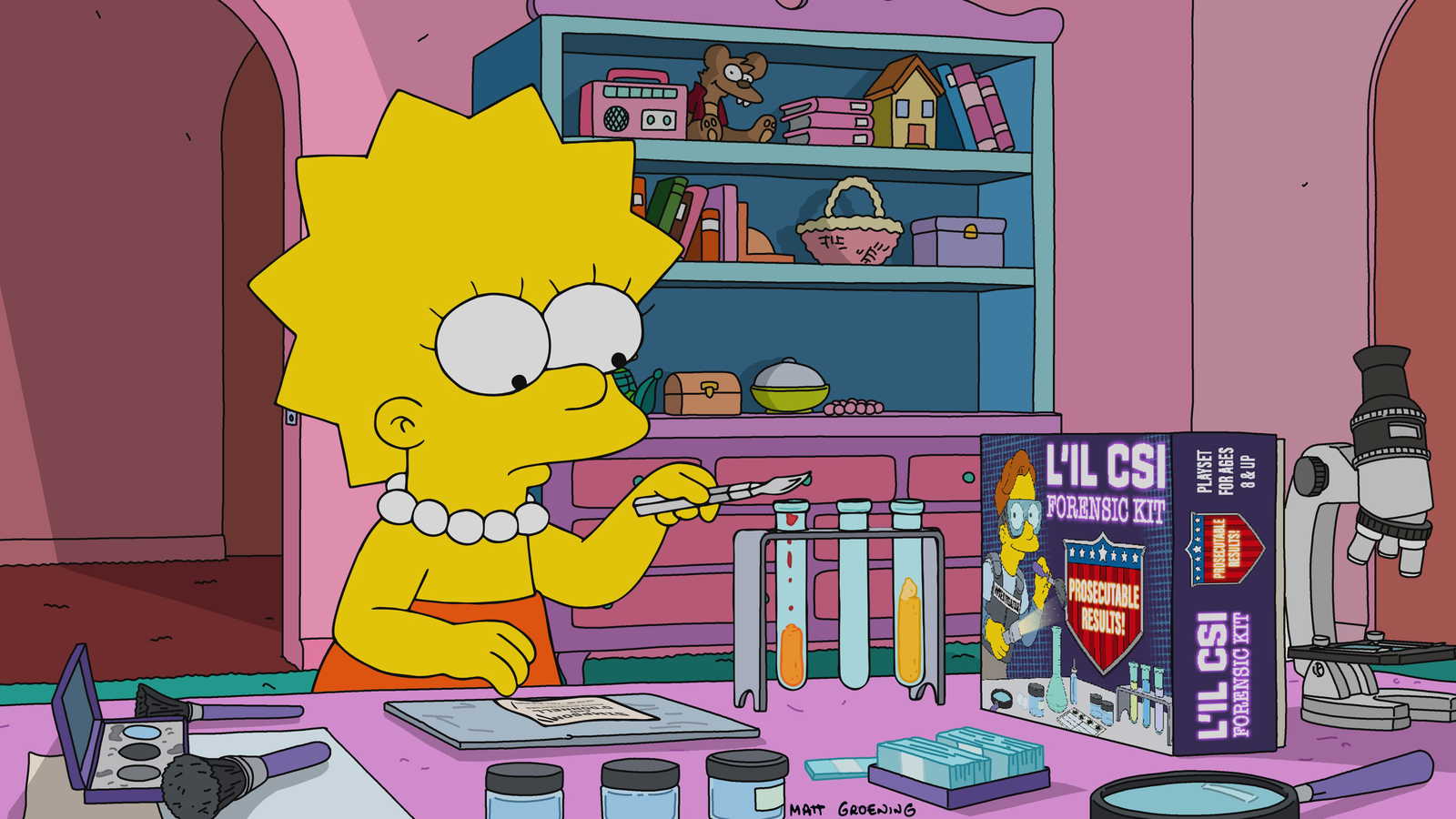 X/ The Simpsons
When the show mocks corporate greed, it is not inventing greed. It is exaggerating what already exists. When it jokes about politicians becoming celebrities, it is not creating that trend. It is identifying a cultural shift before it becomes obvious. When it imagines technology invading family life, it is not magically seeing the future. It is extending the logic of the present.
In that sense, The Simpsons often predicts the future because it understands the present better than most people do.
The show’s writers have included graduates from Harvard, mathematicians, scientists, comedians, political observers, and sharp cultural critics. Many of them are not just joke writers; they are highly educated thinkers who know how systems behave. They understand that politics follows patterns, technology follows incentives, media follows attention, and society often repeats its mistakes.
This is why the show’s predictions feel so powerful. They are not random guesses. They are satirical extrapolations.
The mathematical side of coincidence
There is also a mathematical explanation behind the phenomenon.
The Simpsons has produced hundreds of episodes over more than 35 years. Each episode contains multiple storylines, background jokes, fictional products, fake news headlines, imagined technologies, celebrity references, political jokes, and visual gags. Across such a massive archive, the total number of “future-facing” ideas becomes enormous.
If a show creates thousands of jokes about society, technology, politics, science, media, sports, business, and global culture, some of those jokes will naturally resemble future events.
Also Read | Olivia Rodrigo kicks off her next chapter with global ‘Unraveled tour’
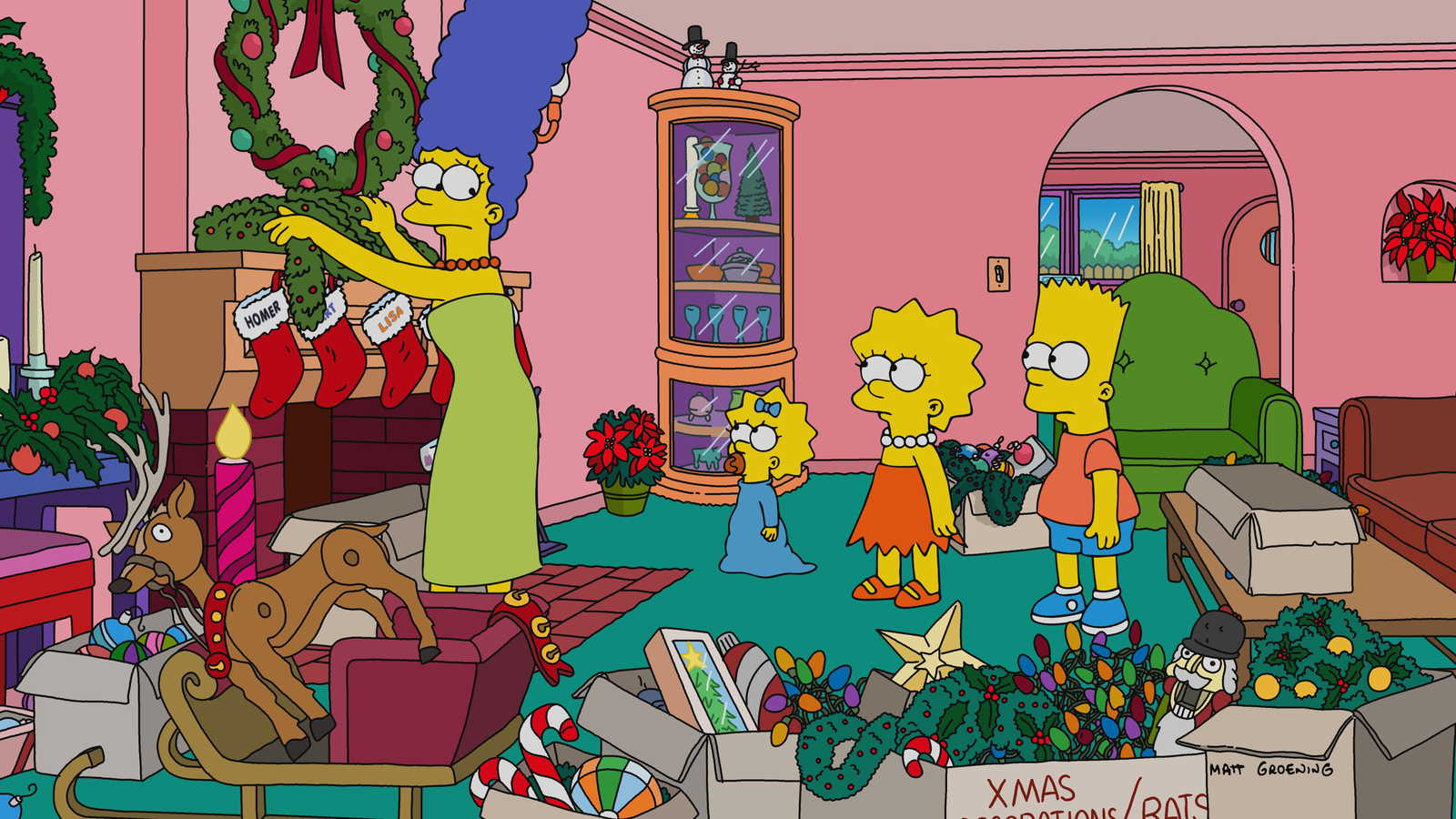
This is known as the law of large numbers. The more predictions, jokes, and scenarios a show produces, the greater the chance that some will later appear accurate.
 X/ The Simpsons
For example, if one person makes ten predictions, perhaps none will come true. But if a creative team produces thousands of speculative jokes over decades, some will inevitably align with reality. The human mind then notices the successful matches and forgets the many jokes that did not come true.
This is called confirmation bias. We remember the hits and ignore the misses.
Still, this does not make the phenomenon meaningless. Even if mathematics explains part of it, the quality of the show’s best predictions remains impressive. A lucky guess is one thing. Repeatedly identifying the direction of future culture is something else.
Famous examples that made the world look twice
Over the years, several Simpsons moments have become legendary because of their resemblance to later real-world events.
Donald Trump as President
The 2000 episode showing a future America after a Trump presidency became one of the most famous examples. What made it striking was not merely the name, but the idea of celebrity politics becoming powerful enough to reshape the White House. The show understood the merging of entertainment, branding, and political ambition long before it became a dominant global trend.
Smartwatches and wearable tech
The show imagined wrist-based communication devices before smartwatches became mainstream. Today, people check messages, track health, answer calls, monitor heart rates, and make payments from their wrists. What was once a visual gag now looks like a normal part of daily life.
Video calling
Long before video calls became routine, The Simpsons depicted screen-based face-to-face communication. The idea was once futuristic. Now it is part of school, work, family communication, medical consultation, and global business.
Autocorrect problems
The show’s joke about digital text being incorrectly interpreted became strangely relevant in the smartphone era. Autocorrect mistakes are now so common that they have become a genre of internet humor.
Disney and Fox
One of the most discussed examples is the show’s joke about 20th Century Fox becoming part of Disney. Years later, Disney acquired 21st Century Fox’s entertainment assets, making that joke appear almost prophetic.
The shard-like skyscraper visual
Some viewers have connected old Simpsons visuals with later architectural developments, including futuristic-looking skylines and tall glass structures. While such comparisons can be debated, they show how the show often imagined the visual language of the future: corporate towers, media screens, surveillance systems, and hyper-commercial cityscapes.
Political spectacle and media drama
The show repeatedly portrayed politics as performance, news as entertainment, and public opinion as something shaped by spectacle. Today, this feels less like exaggeration and more like an accurate description of modern democracy.
Health scares and mass panic
Several episodes have dealt with epidemics, contamination fears, medical misinformation, public panic, and government confusion. In a world shaped by COVID-19 and later public-health anxieties, these episodes have been repeatedly re-examined. However, it is important to distinguish between genuine thematic resemblance and exaggerated viral claims. A cartoon scene about disease does not automatically mean a specific future outbreak was predicted. But it does show how deeply the show understood society’s vulnerability to fear, misinformation, and institutional confusion.
Technology controlling human behavior
From addictive screens to automated systems, from corporate surveillance to digital dependency, The Simpsons has often mocked the way technology reshapes human habits. Today, with algorithms influencing what people watch, buy, believe, and fear, those jokes feel sharper than ever.
Why public health predictions feel so disturbing
Whenever the world faces a new health scare, people return to old episodes of The Simpsons searching for clues. This happened during the COVID-19 pandemic, when scenes from older episodes were circulated online as supposed evidence that the show had predicted the crisis. Some comparisons were misleading, but the emotional reaction was understandable.
Disease outbreaks create uncertainty. People look for patterns because patterns offer psychological comfort. If something was “predicted,” then perhaps it was not random. If it was not random, perhaps it can be understood. And if it can be understood, perhaps it can be controlled.
This is why pop culture becomes so powerful during crises. Films, novels, and television shows often become reference points through which people interpret reality. During pandemics, people revisit movies like Contagion. During political crises, they revisit dystopian fiction. During technological disruption, they revisit science fiction. And during moments of strange coincidence, they revisit The Simpsons.
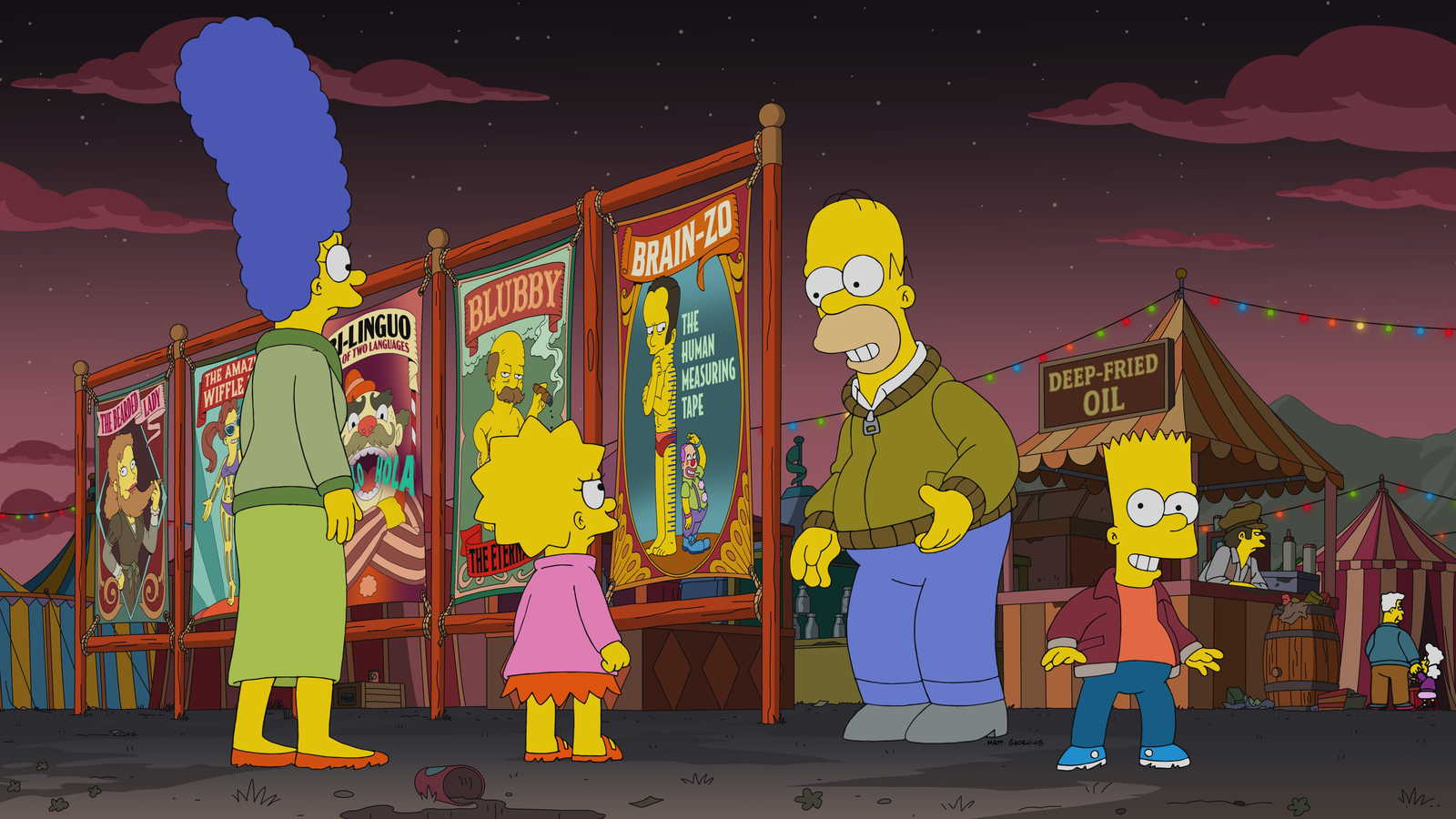
The show becomes a kind of cultural memory bank. People search it not only for jokes, but for warnings.
 X/ The Simpsons
 The writers behind the “prophecies”
The most rational explanation for the show’s predictive power lies in the quality of its writers.
Many Simpsons writers have backgrounds in mathematics, computer science, literature, philosophy, and political satire. The writers’ room has often been described as one of the most intellectually unusual spaces in television comedy. These were not people merely writing jokes about a cartoon family. They were analyzing systems.
They understood how capitalism behaves when unchecked.
They understood how politicians manipulate emotion.
They understood how technology moves from luxury to dependency.
They understood how media turns fear into spectacle.
They understood how ordinary people respond to crisis, authority, advertising, and social pressure.
In other words, they were not predicting isolated events. They were predicting patterns.
And patterns are far more powerful than prophecies.
Prediction or pattern recognition?
The central question, then, is not whether The Simpsons has supernatural access to the future. The more interesting question is whether the show has mastered the art of pattern recognition.
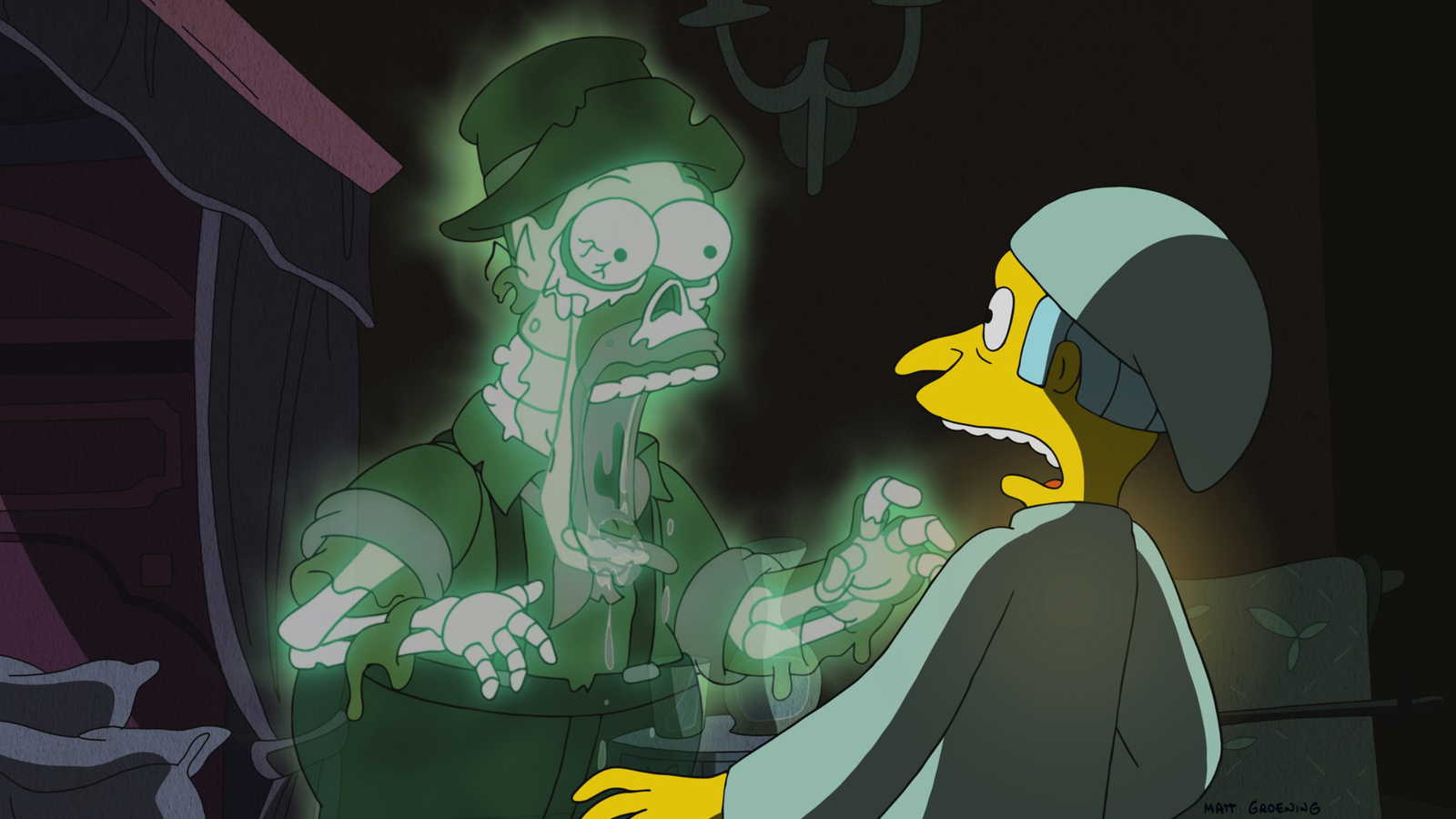
A good satirist observes the present and identifies its hidden trajectory. If celebrity culture is becoming political, a celebrity president becomes imaginable. If phones are becoming smaller and more personal, wrist-based communication becomes imaginable. If corporations are swallowing each other, a giant entertainment merger becomes imaginable. If media thrives on panic, public-health hysteria becomes imaginable.
 Treehouse of Horror episode X/ The Simpsons
The future rarely arrives from nowhere. It usually grows quietly inside the present.
The Simpsons has always been unusually good at spotting those seeds.
Why the show still matters in 2026
In today’s world, where misinformation spreads faster than verified facts, where politics often looks like theatre, where technology is both convenience and control, and where public health fears can become global overnight, The Simpsons feels more relevant than ever.
Its value is not that it gives us a secret code for the future. Its value is that it teaches us how absurd the present already is.
Also Read | Is Meghan Markle returning to Suits? Here's what her team said
The show reminds us that the future is not built in one dramatic moment. It is assembled slowly through habits, policies, technologies, greed, fear, ambition, and public indifference. By the time something becomes a headline, it may have already existed for years as a joke, a warning, or a background detail in popular culture.
That is the genius of The Simpsons. It turns the ridiculous into evidence. It makes comedy function like social research. It hides serious warnings inside laughter.
The mystery remains
So, is The Simpsons truly prophetic?
The answer depends on how we define prophecy.
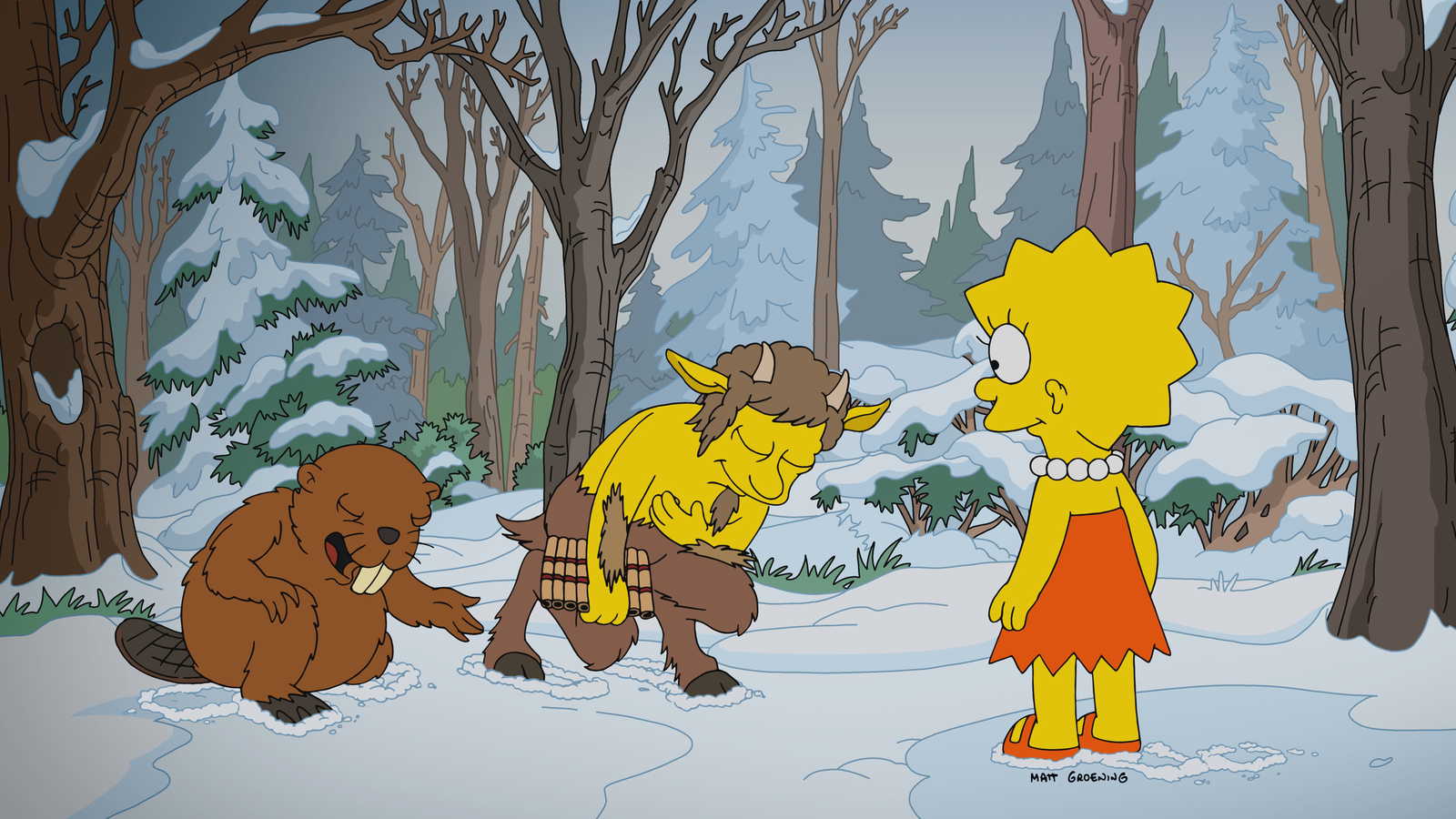
If prophecy means supernatural knowledge of future events, then the claim is difficult to prove. Many viral examples are exaggerated, and coincidence plays a major role.
 X/ The Simpsons
But if prophecy means the ability to read society so deeply that future events become logically imaginable, then The Simpsons may indeed be one of the most prophetic shows ever created.
It predicted not because it had a time machine, but because it understood human nature.
It predicted not because it knew tomorrow, but because it studied today.
It predicted not because reality copied the cartoon, but because the cartoon exposed the direction reality was already taking.
That is why, even after decades, people continue to search its episodes for clues. Not because every frame contains a secret message, but because somewhere inside its jokes, absurdities, and yellow-faced chaos, The Simpsons captured something disturbingly true about the modern world.
Also Read | The Punisher: One Last Kill review: Jon Bernthal delivers Marvel’s darkest action story yet
The future, it seems, does not always arrive with thunder.
Sometimes, it first appears as a joke in Spring captured something disturbingly true about the modern world.
The future, it seems, does not always arrive with thunder.
Sometimes, it first appears as a joke in Springfield.