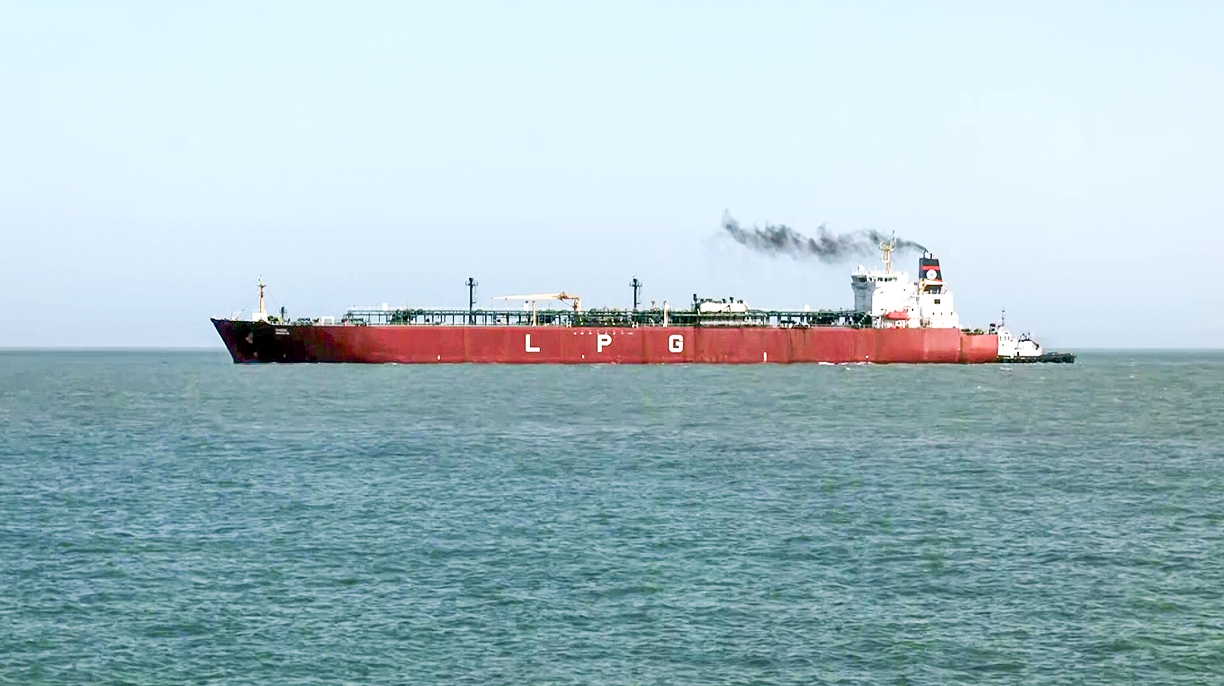
Global crude oil prices slipped to a four-month low on Wednesday as fears surrounding supply disruptions in the Middle East began to ease. Improved tanker movement through the Strait of Hormuz and growing expectations that Iranian oil could return to global markets have shifted investor sentiment, pushing prices lower after months of volatility.
Brent crude fell to $75.71 per barrel, while US West Texas Intermediate dropped to $72.13 per barrel. The decline marks a significant turnaround from the sharp gains witnessed earlier this year when tensions involving Iran had triggered concerns over disruptions in one of the world's most critical energy corridors.
Markets are now reassessing the balance between geopolitical risks and supply availability as diplomatic developments take centre stage.
Also Read | Interio to open 102 stores as furniture market competition intensifies
Iran supply hopes reshape market sentiment
Recent progress in talks between Washington and Tehran has fuelled expectations that sanctions on Iran could ease further, allowing the country to ramp up exports in a relatively short period.
According to The Times of India, analysts believe Iran already has substantial oil inventories stored on tankers, meaning additional supply could enter international markets within weeks if restrictions are relaxed.
The United States has already granted a temporary 60-day sanctions waiver, giving Tehran room to continue selling crude. This move has reassured traders that a sudden supply shock is becoming less likely.
At the same time, tanker traffic through the Strait of Hormuz has begun to normalise. Several vessels that had remained stranded due to security concerns have resumed their journeys, while international agencies are coordinating efforts to restore smooth shipping operations.
Also Read | ITR filing guide: Can you file income tax returns without Form 16?
Physical crude markets begin to weaken
The impact is also visible beyond benchmark prices. Physical crude markets across the Middle East have turned weaker as additional supply emerges from Iran, Iraq, Kuwait and the United Arab Emirates.
According to The Times of India, key oil grades such as Dubai, Oman and Murban have slipped into discount territory after enjoying hefty premiums earlier this year. Asian refiners, meanwhile, appear well-stocked for the coming months and have little urgency to purchase additional cargoes.
The oversupply concerns are now outweighing earlier fears of shortages, creating a softer pricing environment across global markets.
Uncertainty still clouds the outlook
Despite the recent decline, experts caution against assuming stability has fully returned. Political tensions between the US and Iran continue to remain unresolved.
According to The Times of India, US President Donald Trump recently claimed that Iran had agreed to indefinite nuclear inspections, a statement Tehran quickly rejected. Such conflicting narratives continue to inject uncertainty into energy markets.