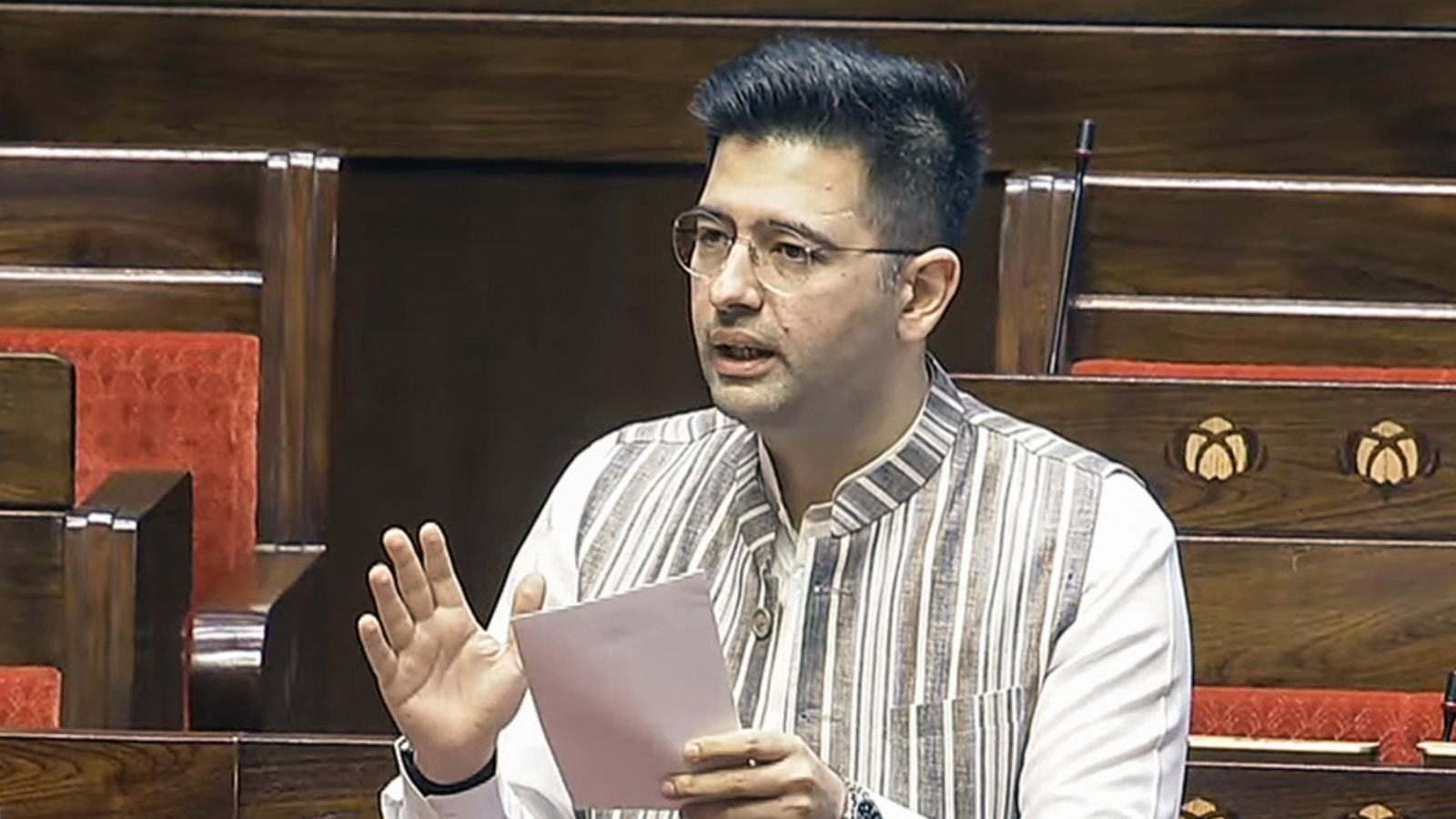
Raising the issue in the Rajya Sabha on March 27, 2026, Aam Aadmi Party (AAP) MP Raghav Chadha flagged what he described as a deepening urban mobility crisis in India.
He stressed that traffic congestion is no longer a routine inconvenience but a structural problem that is steadily eroding the efficiency and livability of major cities. Referring to daily commuting struggles, Chadha said millions of citizens are spending a significant portion of their lives stuck on roads instead of being productive or spending time with family.
Chadha’s statement
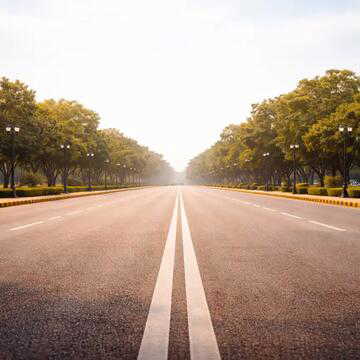
Highlighting the scale of the crisis, Chadha said cities such as Bengaluru, Pune, Mumbai, Kolkata, Delhi and Chennai have effectively turned into “giant parking lots.”
Sharing a clip of his speech on X, he wrote: “On average, a commuter spends 100 to 168 hours a year stuck in traffic. Not commuting. Just sitting.”
Also Read | ‘Sir, yeh memes band nahi hone chahiye...’: Raghav Chadha takes meme trend in stride, shares his own meme
He further remarked, “We are not stuck in traffic. We are stuck because of it.”
Underlining the broader impact, Chadha added: “Every hour lost is an hour India cannot get back — productivity lost, fuel wasted, air polluted, quality of life damaged.”
Traffic has turned our metro cities into giant parking lots with people trapped inside them.
— Raghav Chadha (@raghav_chadha) March 27, 2026
In Bengaluru, Pune, Mumbai, Kolkata, Delhi and Chennai, on average a commuter spends 100 to 168 hours a year stuck in traffic . Not commuting. Just sitting.
Every hour lost is an hour… pic.twitter.com/25ljpjNnme
Call for national-level solution
Addressing the larger issue, Chadha proposed a structured and coordinated response, calling for a “National Urban Decongestion Mission.” He argued that India needs a scientific, nationwide strategy to tackle worsening congestion in metro cities.
Citing data from the TomTom Traffic Index 2025, Chadha outlined the extent of time lost annually due to congestion. Bengaluru tops the list with commuters losing up to 168 hours a year, followed by Pune at around 158 hours. Mumbai records approximately 126 hours annually, Kolkata about 110 hours, Delhi around 104 hours, and Chennai close to 100 hours.
These figures, he noted, reflect not just lost time but also declining productivity and quality of life.
Congestion hotspots across metro cities
Chadha also pointed to key bottlenecks across cities. In Delhi, stretches such as Ring Road, Ashram Chowk, Dhaula Kuan, NH-8 and the Gurgaon corridor frequently face severe congestion. Bengaluru continues to struggle with Silk Board Junction and the Outer Ring Road.
Also Read | Raghav Chadha joining BJP? Here's how Sanjay Singh reacted to the buzz
In Kolkata, AJC Bose Road and Chowringhee Road remain major choke points, while in Mumbai, routes between Andheri, Bandra and south Mumbai often see prolonged delays. These areas reflect how infrastructure is struggling to keep pace with rapid urban growth.
Traffic congestion goes beyond delayed commutes. It increases stress levels, reduces productivity, and impacts mental well-being. Long hours on the road lead to higher fuel consumption and financial strain, while also contributing to air pollution.
Emergency services such as ambulances and fire vehicles are often delayed due to clogged roads, posing serious public safety risks. For working professionals, students, and small businesses, congestion translates into lost time and missed opportunities.
Proposed solution
Chadha emphasised that a National Urban Decongestion Mission could significantly ease the burden on commuters. He highlighted the need for stronger public transport systems, smarter traffic management, and scientific parking policies to address the issue effectively.
He noted that such measures would reduce dependence on private vehicles and improve traffic flow through technology-driven solutions. Scientific parking policies could prevent unregulated roadside parking, a key contributor to congestion.