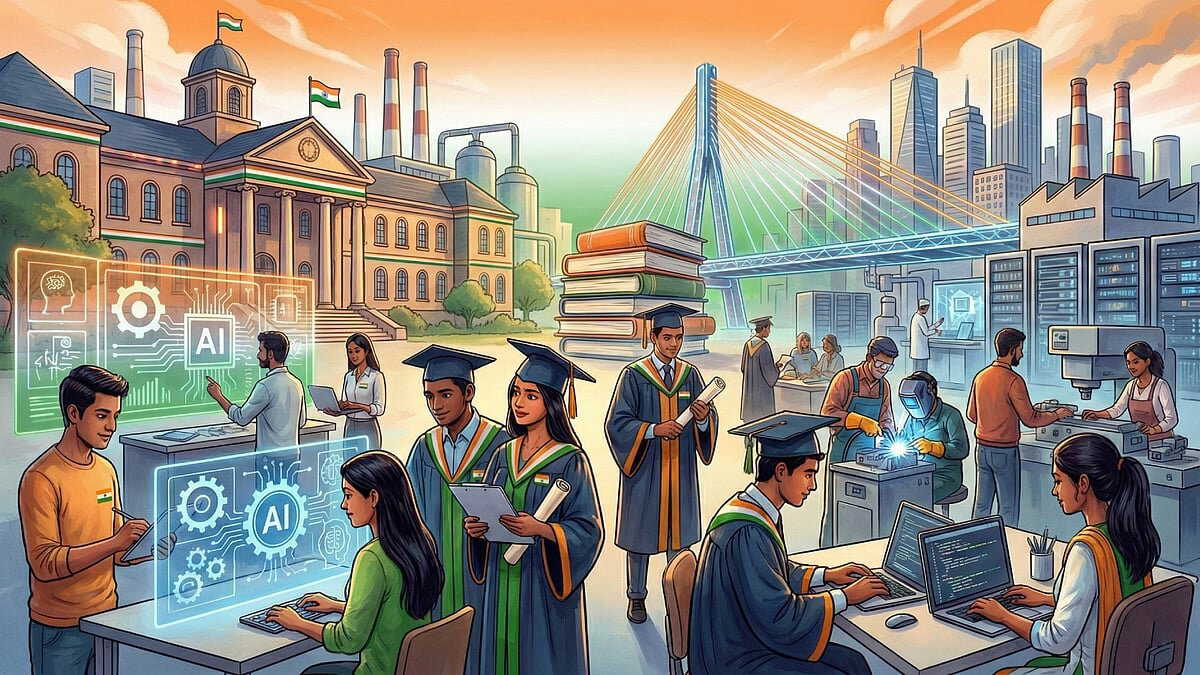
Indian students have largely pursued higher education with one primary goal: obtaining a degree. However, the link between academic qualifications and workplace requirements has often remained weak. The Union Budget 2026, experts say, signals a decisive break from this trend, laying the groundwork for a shift towards employment-oriented and skill-based education.
Commerce experts and industry leaders believe the budget outlines a roadmap for transforming India’s education system from being degree-dependent to one focused on real-world skills and employability.
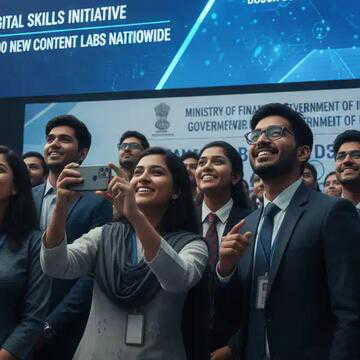
Also Read | 'Content Creator Labs': Nirmala Sitharaman's new surprise for students during Union Budget speech
Bridging the gap between education and employment
Ashwin Damera, co-founder of Eruditus, said the proposed Education-to-Employment Standing Committee could be a turning point. India, he noted, does not suffer from a shortage of degrees but from a lack of job-ready graduates. He stressed that deeper industry involvement in curriculum design and a stronger focus on internships could help close this gap.
Echoing this view, Professor Indranil Manna, Vice-Chancellor of Birla Institute of Technology, Mesra, pointed to the ₹40,000 crore allocation for the semiconductor mission and the proposal to establish a new National Institute of Design (NID) in eastern India. These initiatives, he said, reflect the government’s intent to make Indian students globally competitive through multidisciplinary education.
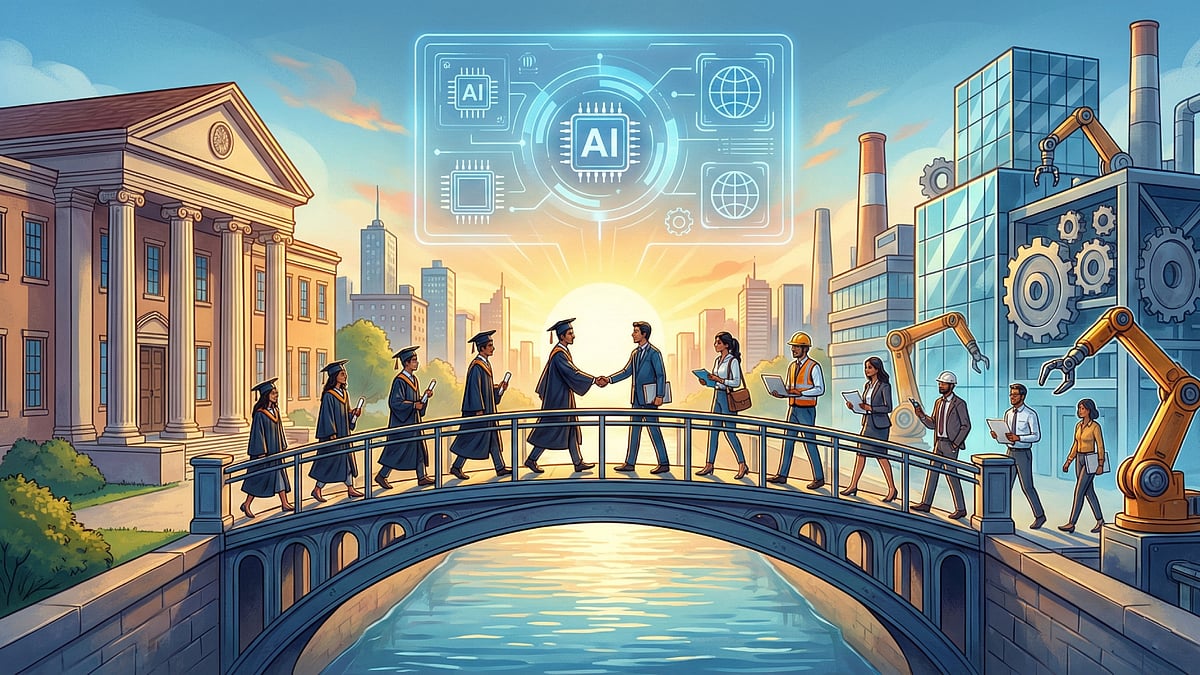 A bridge is being built between education and industry
Focus on AI and technology-driven learning
Experts at IIT Patna observed that the budget places greater emphasis on AI-driven learning, innovation labs, and practical exposure, moving away from purely textbook-based education. Save-In CEO Jitin Bhasin and Pearson India head Vinay Kumar Swami said investments in technology-enabled classrooms and teacher upskilling would play a key role in making education more inclusive.
Also Read | Higher Secondary exams start in 10 days, unfinished syllabus fuels student anxiety
Universities closer to industry
Sahil Agarwal, founder of Rishihood University, welcomed the proposal to create university townships near industrial hubs. He said this approach would bring education, research, and industry closer together, potentially positioning India as a global knowledge hub.
Women’s participation and student well-being
Anil Kapasi of Arihant Academy and Dr Neelima Kamra, Principal of KIIT World School, praised the announcement of new hostel facilities aimed at increasing women’s participation in STEM education. They also welcomed investments in infrastructure focused on students’ mental health and well-being.
Prabhat Kumar, Chairman of PanIIT—the alumni body of India’s IITs—said the budget could steer India towards more inclusive, knowledge-driven economic growth. He added that the real test now lies in how effectively these proposals are implemented on the ground.