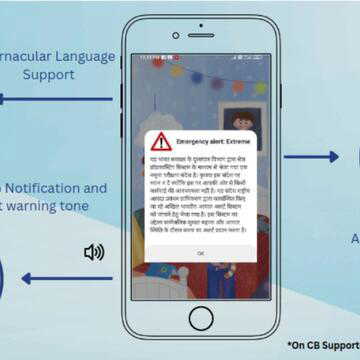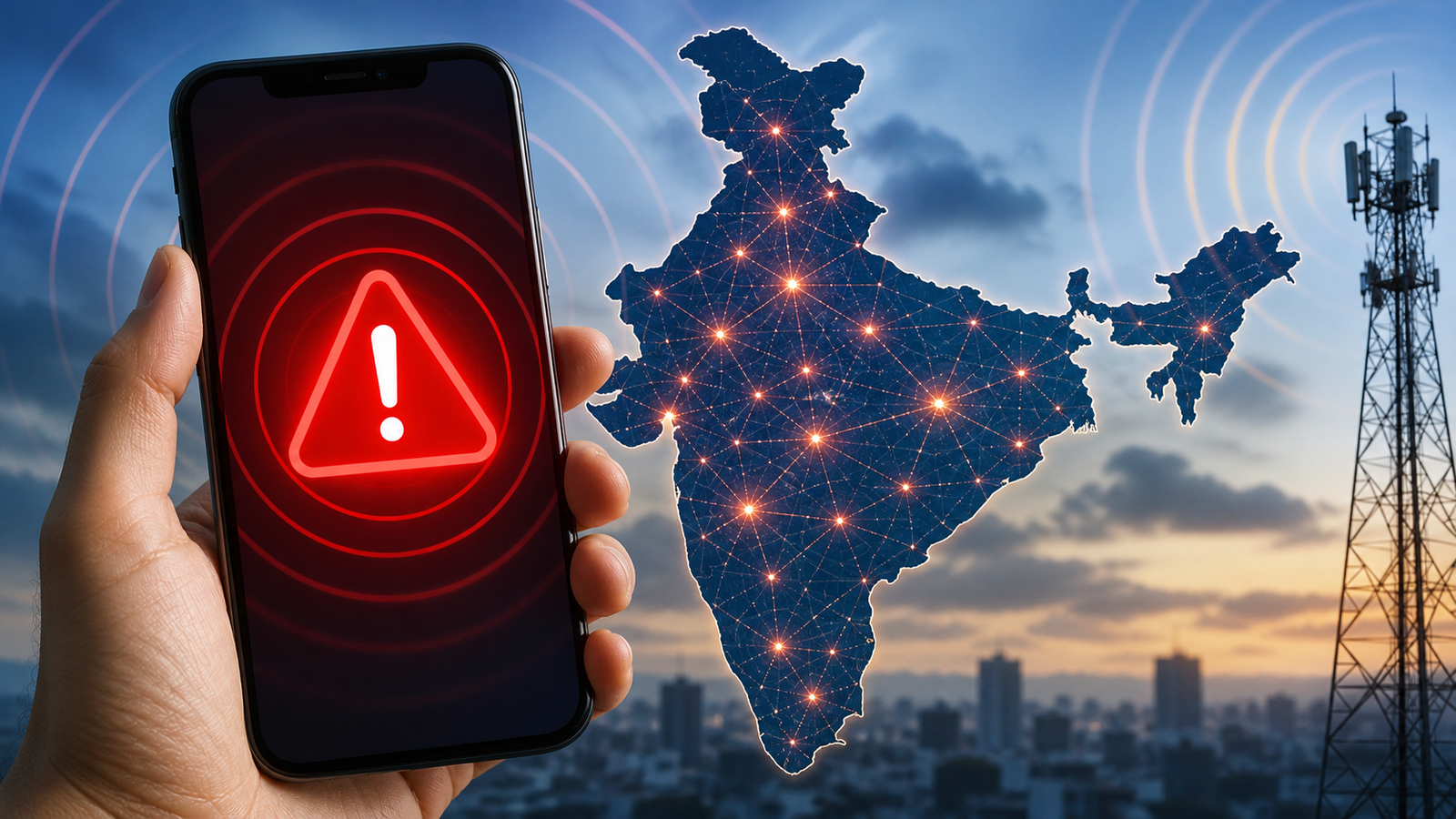
Millions of mobile phones across India buzzed simultaneously on Saturday, catching users off guard with a loud, urgent alert. The message, labelled “Extremely Severe Alert,” was part of a nationwide test of the government’s newly launched Cell Broadcast emergency system. Authorities clarified that the alert was only a trial and required no action from citizens.
What triggered the sudden alerts?
The large-scale test was conducted to roll out an indigenous disaster communication network aimed at improving emergency response. The system was formally launched by Union Home Minister Amit Shah along with Union Communications Minister Jyotiraditya Scindia on May 2, 2026.
At the core of this initiative is the SACHET platform, short for Integrated Alert System. It has been developed by the Centre for Development of Telematics under the Department of Telecommunications. The system follows the Common Alerting Protocol recommended by the International Telecommunication Union and is already active across all 36 states and union territories.
Also Read | Why the emergency alert? It’s a disaster alert drill: India’s alert system, simply explained
How the new system works
Unlike traditional SMS alerts, the Cell Broadcast system is designed to demand immediate attention. Alerts are pushed directly to all compatible devices in a specific area and are not dependent on network congestion. When activated, the message appears prominently on screen and is accompanied by a loud alert tone.
Importantly, these notifications override silent mode and do-not-disturb settings, ensuring that users do not miss critical warnings during emergencies.
Wider reach, faster response
Officials said the system is built to deliver real-time alerts during natural disasters such as earthquakes, tsunamis and lightning strikes, as well as man-made emergencies like gas leaks or chemical hazards.
Also Read | Centre revises citizenship rules: Govt tightens dual passport norms for minors, brings OCI process online
Authorities have already used earlier alert mechanisms to send over 134 billion SMS notifications in 19 Indian languages for weather warnings and disaster updates. The new broadcast technology is expected to further strengthen this reach by ensuring faster and more reliable delivery.
What it means for citizens
Once fully operational, the system will be capable of reaching nearly all mobile users instantly, regardless of device settings. Saturday’s nationwide alert was part of efforts to test readiness and familiarise the public with how such warnings will appear during real emergencies.
For now, the message was clear: the sudden buzz was only a test, but it signals a significant upgrade in how India plans to communicate during crises.