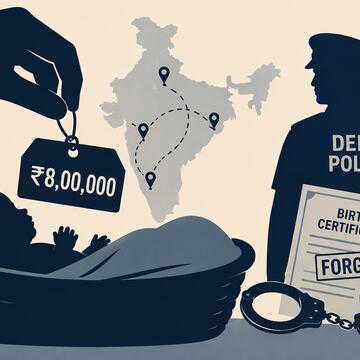
Illegal infiltration has remained a contentious issue in India, particularly in border states such as West Bengal. The debate gained renewed prominence during the recent West Bengal Assembly election, where cross-border infiltration emerged as a major political talking point.
The Narendra Modi-led Central Government has maintained a tough stance on illegal infiltration for several years. Following the change of government in West Bengal, the new administration has also signalled a stricter approach, making it clear that illegal infiltrators must leave the country and that the "Three-D" policy will be implemented firmly.
What is the Three-D policy?
The policy is built around three actions: "Detect, Delete and Deport."
Its objective is to identify individuals who lack the legal right to remain in India and to initiate action against them. Under the framework, authorities first identify illegal infiltrators, remove their names from electoral rolls and then deport them to their country of origin.
Also Read | How much does it cost to maintain Delhi's giant Tricolours? Here's what we know
Supporters of the policy maintain that it is not solely focused on deportation. Instead, it aims to put in place a structured mechanism to address illegal infiltration and strengthen enforcement.
Why the Bangladesh border remains a concern
India's border with Bangladesh is widely regarded as one of the most sensitive regions in the context of illegal infiltration. With a long international boundary shared between the two countries, West Bengal occupies a particularly vulnerable position.
Differences in infrastructure, public services, commercial activity and administrative systems are often cited as factors that shape migration pressures across the border. India, home to more than 1.4 billion people, already faces immense challenges in delivering welfare, employment opportunities, infrastructure and law enforcement services.
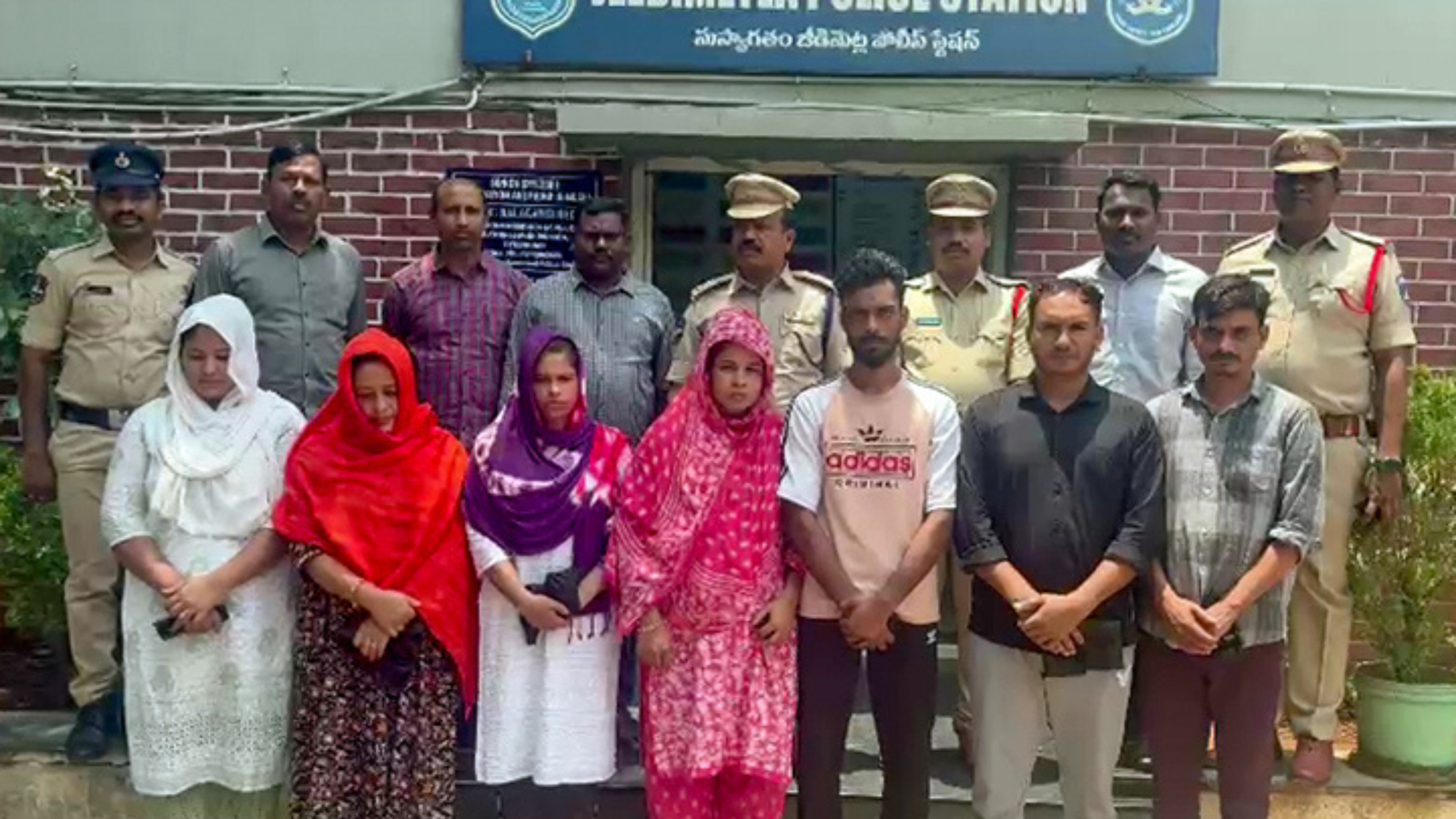 Seven Bangladeshi nationals detain by police in Jeedimetla as they were illegally staying in India, in Medchal-Malkajgiri /ANI
In such circumstances, even limited illegal infiltration can place additional pressure on local resources, particularly in border districts.
Border fencing and the infrastructure challenge
The issue is not limited to geography alone. Border infrastructure has also emerged as a key concern.
West Bengal shares a 2,216.7-kilometre border with Bangladesh. As of August 2025, fencing had reportedly not been completed along nearly 569 kilometres of that stretch.
Of this, around 456 kilometres could have been fenced, according to figures cited by the Centre. The government informed Parliament that during the tenure of the previous state administration, land had been provided for fencing in only 77.9 kilometres of that section.
Supporters of stronger border controls argue that administrative and political factors contributed to delays in strengthening border infrastructure.
Political allegations over infiltration
Prime Minister Narendra Modi and Union Home Minister Amit Shah have repeatedly alleged that the previous Trinamool Congress government opposed certain border-security measures because they were initiatives of the BJP-led Central Government.
The issue of infiltration also did not receive the same level of attention during the Left Front era, although the scale of the challenge was considerably different at the time.
Critics have further alleged that during the Trinamool Congress government's tenure, some infiltrators were able to obtain documents such as ration cards, Aadhaar cards and passports through illegal means, while also gaining access to government welfare schemes. They claim this was part of an effort to cultivate a long-term vote bank.
A new approach to border management
The current BJP government in West Bengal has adopted a more cooperative approach towards border security. The state administration has reportedly begun approving and transferring land to the Border Security Force for fencing and related infrastructure projects.
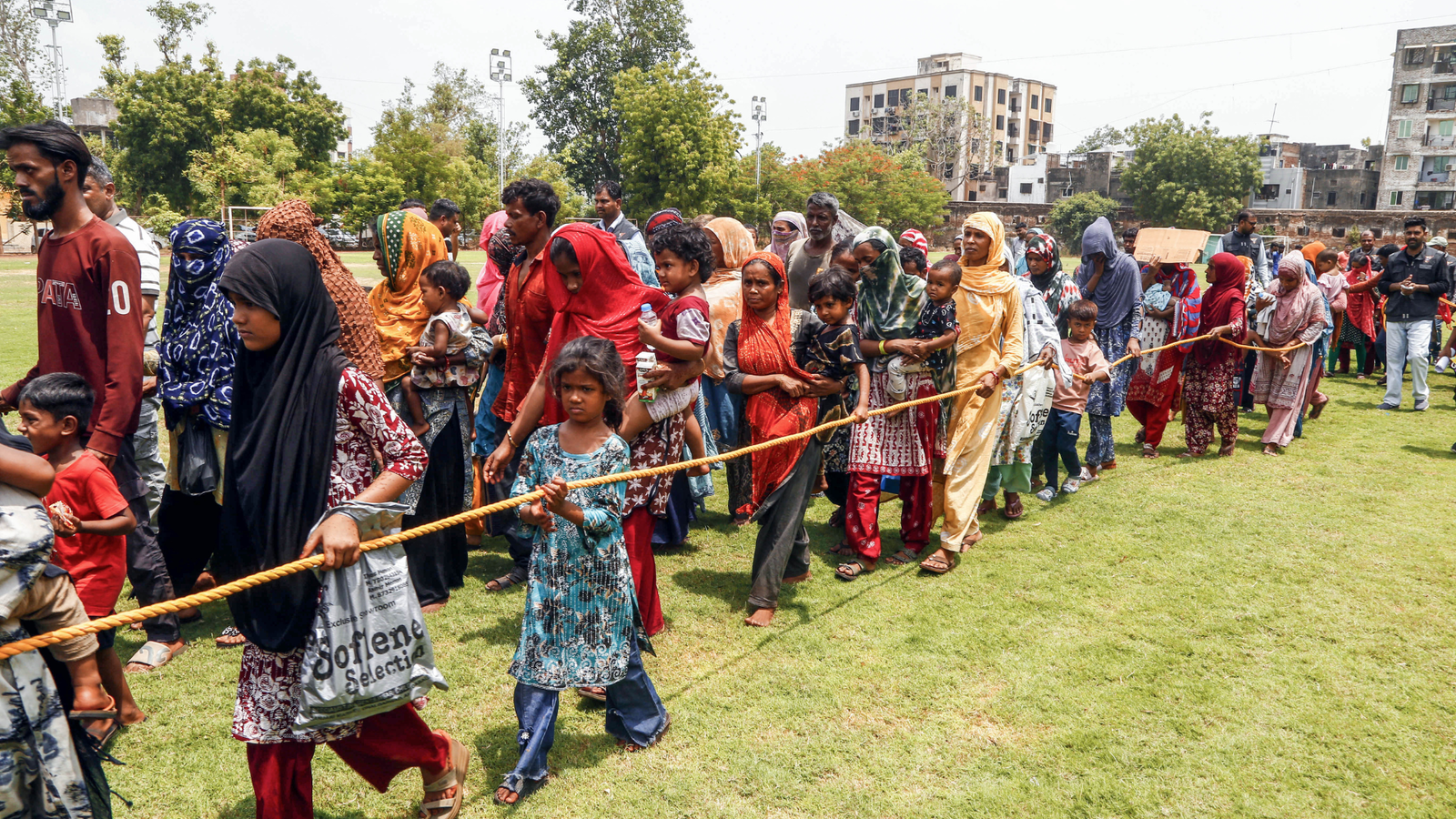 Undocumented Bangladeshi nationals await interrogation and document verification after detention in Crime Branch raids. /ANI
Reports indicate that, in addition to 43 acres of acquired land spread across five districts, nearly 32 acres of government land have already been handed over to the BSF. Coordination between the Centre and the BSF has also been strengthened.
Official figures show that 1,547 illegal infiltrators were apprehended in West Bengal in 2023. The number increased to 1,694 in 2024, while 723 individuals had been caught up to July 2025.
Also Read | India isn't a G7 member, so why is it always at the summit?
How recent legal reforms are shaping immigration policy
The Three-D policy is closely linked to recent legal reforms introduced by the Centre.
The Immigration and Foreigners Act, 2025, consolidates earlier immigration-related laws with certain modifications. Under the legislation, a foreigner is defined as any individual who is not an Indian citizen.
The law aims to establish a clear administrative framework governing entry, residence and immigration. Every sovereign nation has the right to determine who may enter its territory, who may stay and under what conditions.
Distinguishing between legal and illegal immigration is not an expression of hostility towards any community or neighbouring country. Rather, it is a fundamental requirement of governance and border management.
What happens after an illegal infiltrator is identified?
The Immigration and Foreigners Order, 2025, outlines procedures for identifying, monitoring and deporting illegal infiltrators.
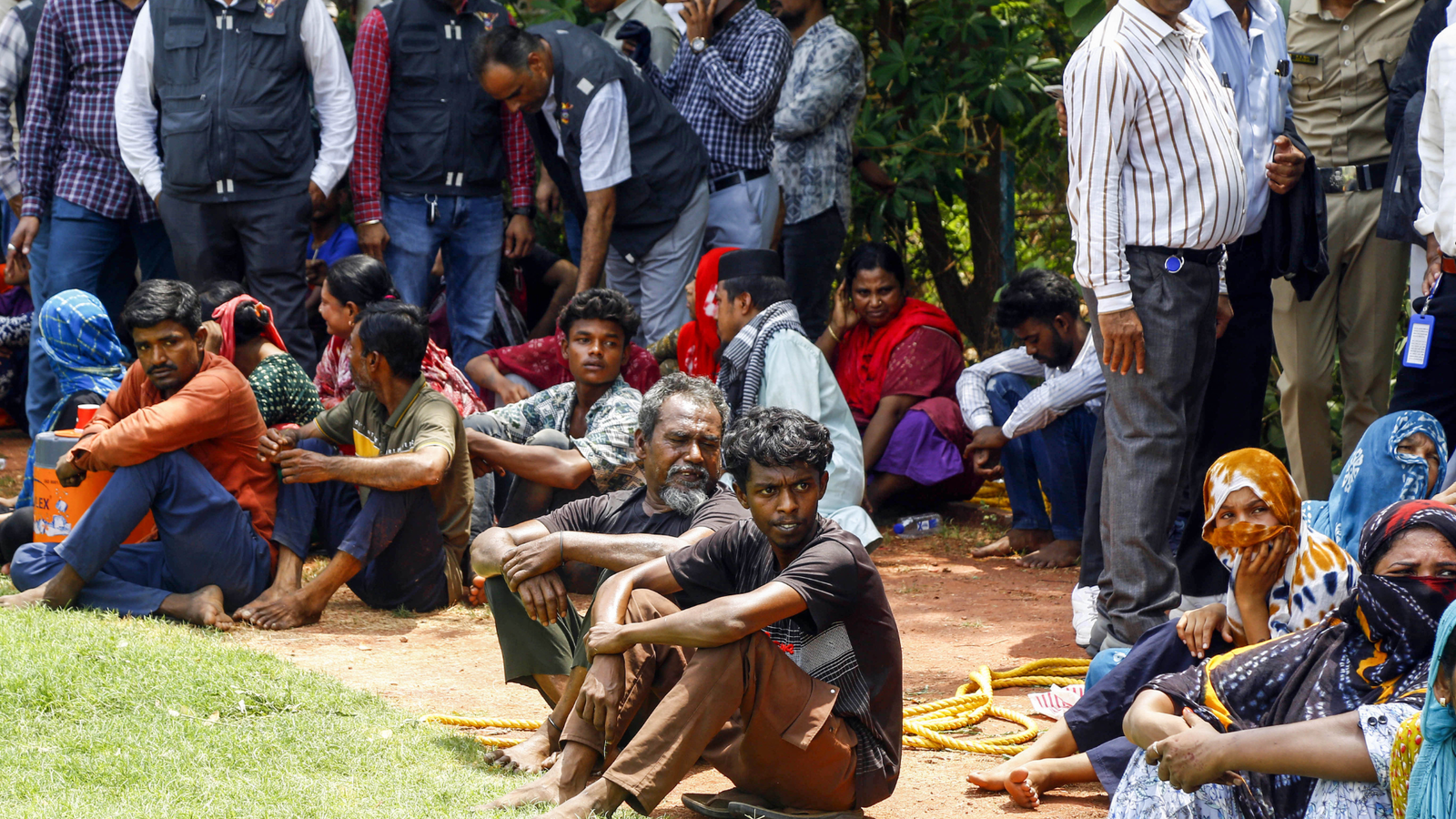 How India's Three-D policy aims to tackle illegal infiltration /ANI
Under the framework, individuals marked for deportation will first be placed in holding centres or camps before being sent back to their country of origin.
For years, infiltration was often viewed as a localised issue, resulting in the absence of a comprehensive response. The new framework seeks to address that gap by clearly defining both the government's powers and the rationale behind enforcement measures.
Public resources at the heart of the infiltration debate
At its core, the debate is also about resource allocation and citizen welfare. Public resources are intended to support citizens through education, healthcare, food security, housing, employment and land administration systems. Illegal infiltration, supporters of stricter enforcement argue, places additional pressure on these services.
If infiltrators gain access to welfare benefits through loopholes in the system, the burden is ultimately borne by economically vulnerable citizens who rely most heavily on government support.
Proponents of stronger border controls contend that if illegal infiltration becomes normalised, it could have implications not only for national security but also for the equitable distribution of public resources.