India is stepping up efforts to strengthen its air defence network as aerial warfare becomes more advanced and unpredictable. From long-range missiles to swarm drones, modern threats are forcing countries to invest heavily in defensive capabilities.
New Delhi is now considering acquiring five more of the Russian-made S-400 Triumf systems, which would enable the country to widen its coverage.
Rising security concerns
Growing geopolitical tensions have renewed global focus on air defence. The ongoing US-Israel-Iran conflict has prompted many to realise the dynamic and ever-changing nature of aerial warfare.
Many countries, such as Japan and some European nations, have increased their defence spending to prepare for any possible threats. India faces its own strategic challenges, sharing borders with both China and Pakistan, two countries with which it has had military confrontations in the past.
As part of this effort, India has launched the Suresh Chakra project and is evaluating the addition of more S-400 systems to enhance coverage across sensitive regions.
Also Read | Operation Deep Manifest: Govt moves to intercept Pakistan-origin goods entering India
Expanding the S-400 fleet
Previously, India signed a deal with Russia for acquiring five units of these S-400 launchers. Of these, three units have already been delivered, while the remaining two units will be delivered by the end of this year.
The preliminary approval for acquiring five more units of these launchers has now been given by the Defence Acquisition Board. Then this proposal will be sent to the Defence Acquisition Council for confirmation of the need for these systems. After discussions on the price and approval by the Cabinet Committee on Security, this deal can be finalised.
If cleared, India’s total S-400 squadrons would increase to ten, expanding India’s long-range air defence capabilities significantly.
Key capabilities of the S-400
The S-400 Triumf is said to be one of the most advanced air defence systems in the world. Its ability to detect targets up to 600 kilometres in distance and its ability to destroy targets up to 400 kilometres make this a highly valuable acquisition for India’s military.
The system is designed to destroy a variety of airborne threats, such as fighter jets, drones, cruise missiles, and ballistic missiles makes this a highly valuable acquisition for India’s military. Its ability to track hundreds of targets at a given time and destroy targets travelling at speeds up to 17,000 kilometres per hour makes this a highly valuable acquisition for India’s military.
Also Read | India mulls naval escort for ships stranded near Strait of Hormuz amid Iran threats
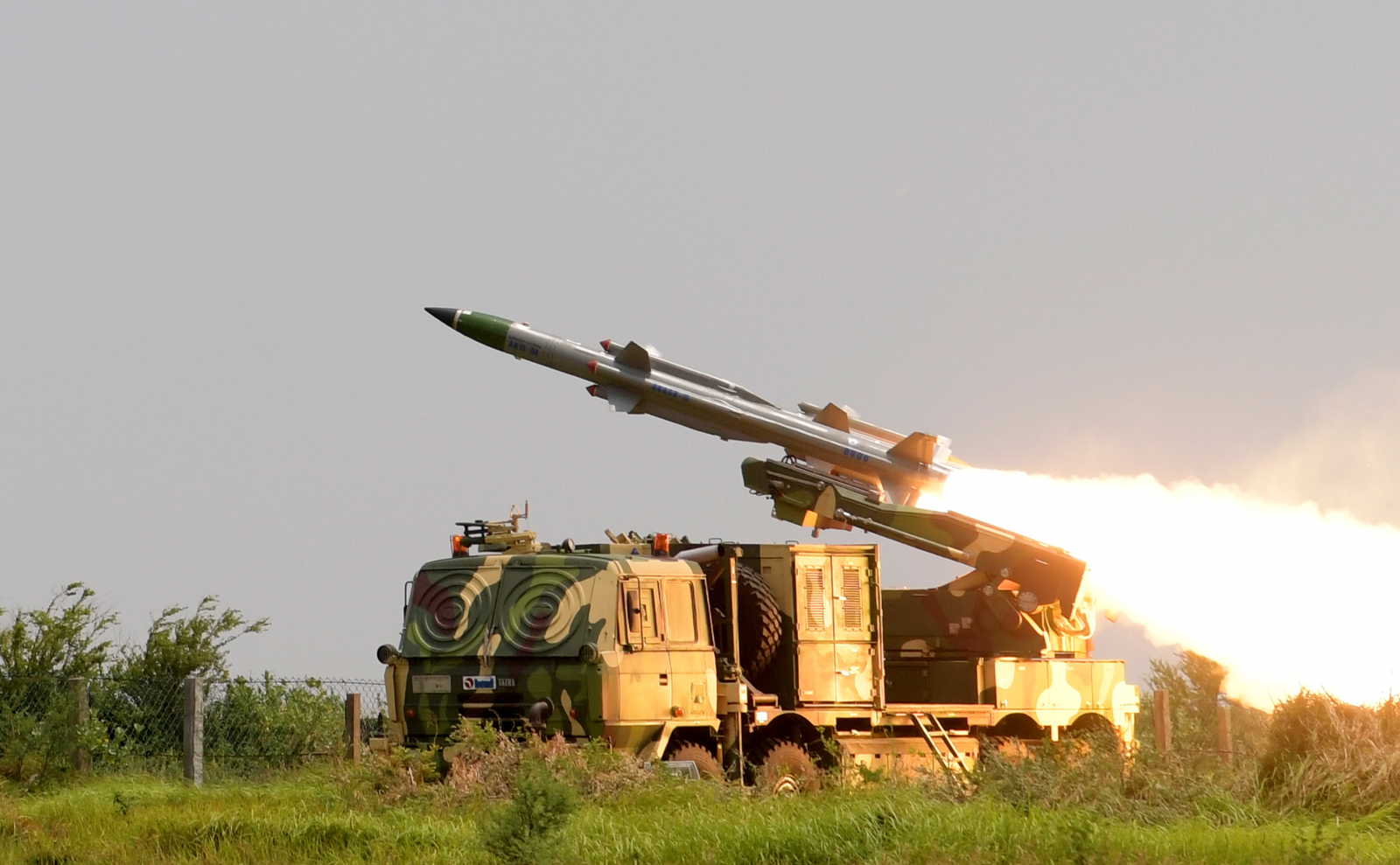
Another key feature is its mobility. The system is mounted on heavy wheeled vehicles and can be deployed within minutes.
Comparison with the THAAD system
The US-made Terminal High Altitude Area Defence (THAAD)system focuses mainly on intercepting ballistic missiles during their final phase of flight. It uses hit-to-kill technology and operates at ranges exceeding 200 kilometres, with interception altitudes reaching about 150 kilometres.
THAAD works with radar systems such as the AN/TPY-2 X-Band radar and can be integrated with other missile defence platforms, including Patriot and Aegis, to form a layered defence network.