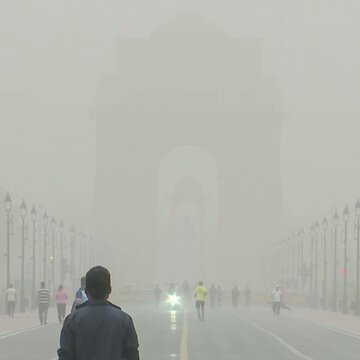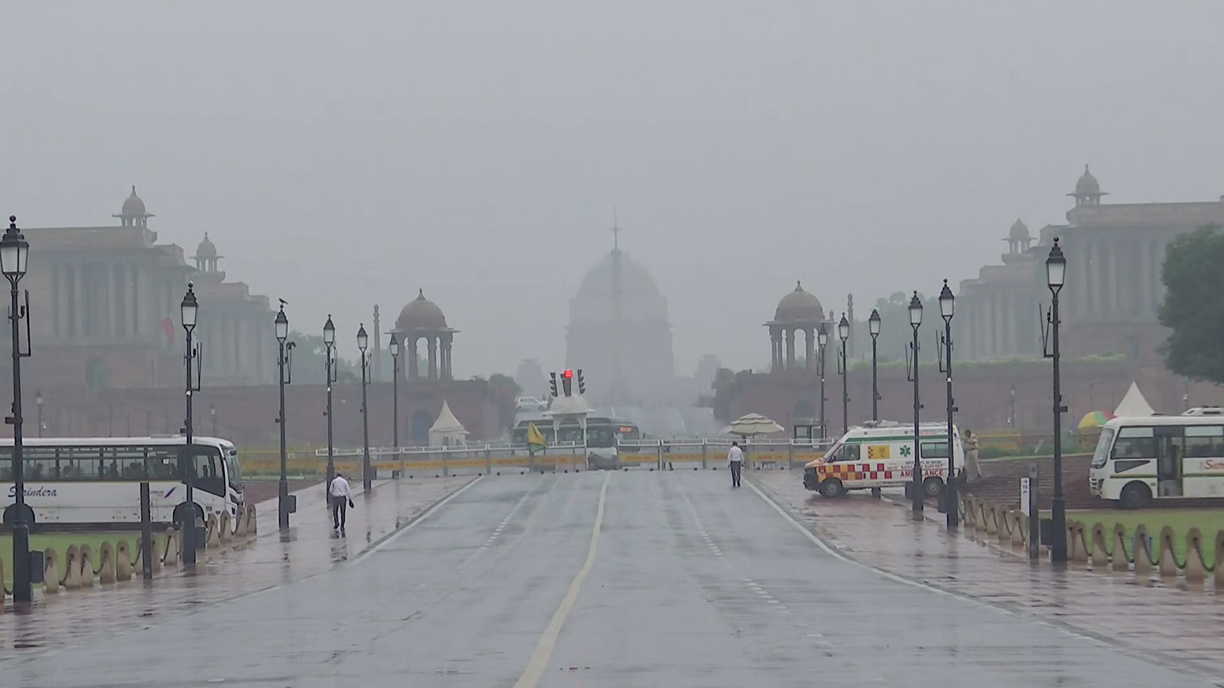
A sudden dust storm with strong winds hit Delhi NCR on April 3, 2026, lifting large amounts of dust, reducing visibility, and causing a slight drop in temperature. This was followed by light showers in several parts of the city. The hope of clearer air briefly rose among residents, but it quickly faded. Pollution levels barely budged, showing how little short-term weather shifts can do for air quality.
Before the rainfall, Delhi’s AQI was already in the “poor” category, and it remained unchanged afterward. The Central Pollution Control Board (CPCB) stated that AQI levels stayed between 221 and 266 across the city, firmly within the poor range.
An official CPCB update noted that air quality “remained in the poor category in several monitoring stations across Delhi,” making it clear that the light rainfall was not enough to significantly reduce pollutants.
Dust storm impact cancels out the rain’s benefits
Weather experts say the issue lies not just in the rain but in the sequence of the dust storm followed by light showers.
The India Meteorological Department (IMD) linked the sudden change to a western disturbance over the western Himalayas, which also induced cyclonic circulation over central Pakistan and adjoining Haryana and Rajasthan, influencing Delhi-NCR conditions.
Also Read | Delhi, north India feel tremors as 5.9 magnitude earthquake hits Afghanistan
An IMD official explained that “gusty winds and dust-raising activity preceded light rainfall in isolated areas,” meaning that strong winds had already filled the air with fine particles before the rain could settle them.
According to Skymet’s Vice President, Mahesh Palawat, such disturbances have been recurring frequently, creating a consistent weather pattern over the region.
Reports indicated wind speeds between 40 and 70 km/h, which kept dust suspended in the atmosphere for longer durations.
The IMD has issued an orange alert for south, central, and New Delhi, and a yellow alert for other parts of the city, forecasting thunderstorms, lightning, light rain, and gusty winds over the next 24–48 hours. The maximum temperature is expected to hover around 33C, with minimum temperatures near 20C.
While residents may experience temporary relief from fluctuating weather, experts warn that significant improvement in AQI remains unlikely without sustained rainfall.
Also Read | IMD issues storm alert as heavy rain, hail and strong winds set to hit multiple states in next 48 hours
A temporary temperature rise is expected on April 5, followed by another spell of rain and thunderstorms on April 6 and 7 due to a fresh western disturbance.
Why light showers don’t help much
What emerges from these observations is that brief and scattered rainfall is not enough to significantly reduce pollution levels. While it may provide temporary comfort, only prolonged and steady rainfall can effectively bring down airborne pollutants.
Even with rain accompanying the dust storm, Delhi’s AQI remained at 266, within the ‘poor’ category, highlighting the persistent nature of pollution in the capital.
According to CPCB standards, an AQI between 201–300 is classified as ‘poor’, indicating unhealthy air quality that can affect vulnerable groups and pose long-term risks with continued exposure.