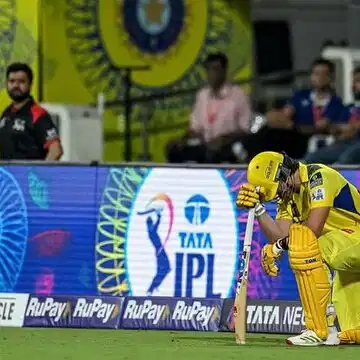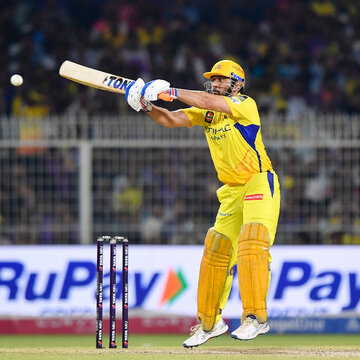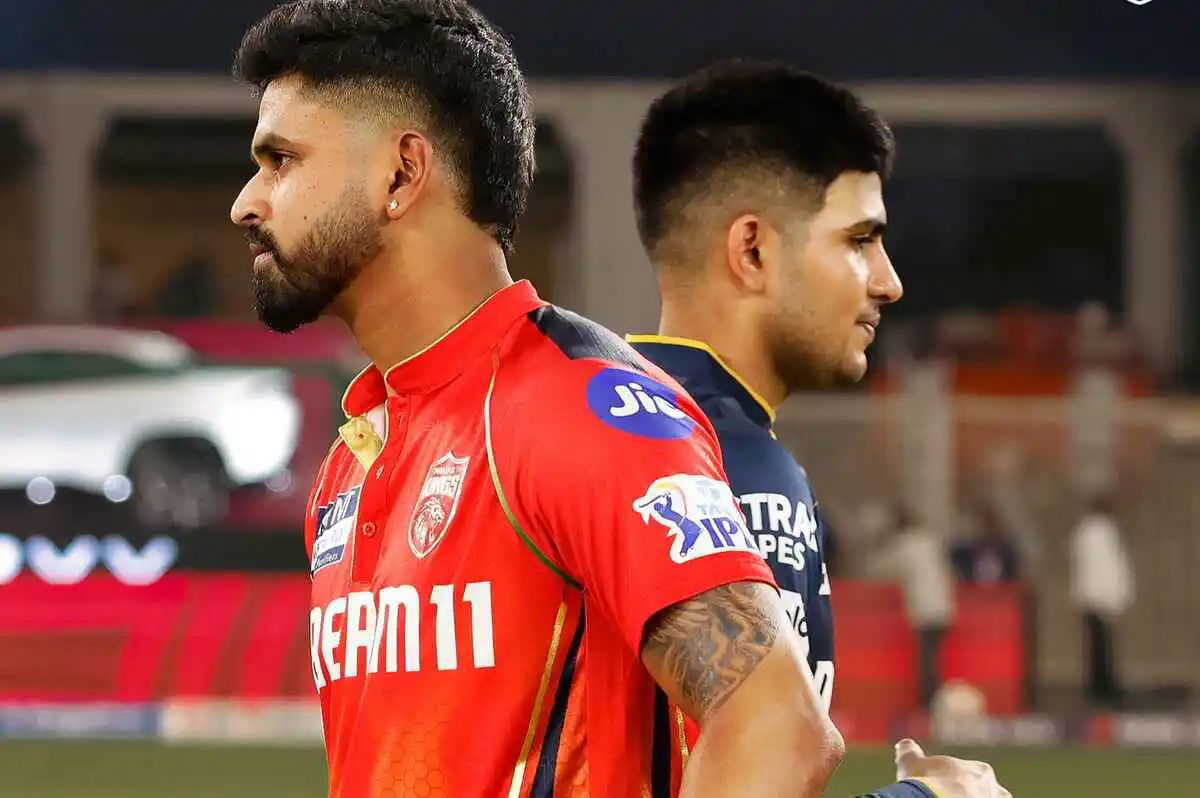
Opting for a measured start, Gujarat’s openers focused on building a platform rather than going on an all-out attacking spree in the powerplay. The strategy ensured wickets were preserved, but it came at the cost of momentum. Boundaries were hard to come by, and although the strike rotation remained intact, the scoring rate hovered below the ideal mark. By the end of the first six overs, Gujarat had laid a foundation but had not imposed themselves on the Punjab bowling attack.
PBKS and middle overs magic
The innings began to take shape during the middle overs, where Gujarat’s batters shifted gears and looked to accelerate. A key partnership between Gill and Sudharsan in this phase helped stabilise the innings while also increasing the scoring tempo. The batters displayed a mix of caution and aggression, targeting loose deliveries and running hard between the wickets. This period saw Gujarat’s run rate climb steadily, briefly placing pressure back on the Punjab bowlers and setting the stage for a potential late flourish.
GT's failed chances?
Gujarat’s innings was anchored by their highest scorer, who played a composed and calculated knock to hold the batting together. The batter combined sensible shot selection with timely boundary-hitting, emerging as the standout performer of the innings. However, despite getting well set and appearing in control, the innings lacked the final push needed to convert into a dominant fifty-plus or match-defining score. This inability to produce a big individual knock ultimately limited Gujarat’s overall total.
Also Read ।
Just as Gujarat looked poised to accelerate further, Punjab Kings struck back with crucial wickets at regular intervals. The dismissals of set batters in the latter half of the innings proved particularly damaging, as it forced new players to rebuild rather than attack from the outset. These timely breakthroughs not only halted Gujarat’s momentum but also ensured that the run rate did not spiral out of control in the closing stages.
Arshdeep Singh’s final over
The highlight of the innings came in the final over, where Arshdeep Singh delivered a clinical display of death bowling under pressure. With Gujarat eyeing a strong finish and a total closer to 175 or beyond, Arshdeep held his nerve and executed his plans to perfection. Mixing pinpoint yorkers with well-disguised slower balls, he conceded very few runs and also picked up a crucial wicket. His ability to outthink the batters in such a high-pressure situation effectively shut down Gujarat’s hopes of a late onslaught and played a decisive role in restricting them to 162.
The run rate pattern reflects missed opportunities
Gujarat’s innings can be divided into three distinct phases. The powerplay was steady but lacked intent, the middle overs provided the most productive scoring phase, and the death overs saw a significant slowdown due to disciplined bowling and loss of wickets. Finishing with a run rate just over eight per over, Gujarat will feel they left at least 15–20 runs on the table, especially given the platform they had built midway through the innings.
Also Read ।
With 162/6 on the board, the Gujarat Titans have set the Punjab Kings a target of 163 to win. While the total is competitive enough to keep the contest alive, it is far from imposing, especially on a surface that has shown potential for stroke play. Much will now depend on Gujarat’s bowling unit to defend the total against a capable Punjab batting lineup.