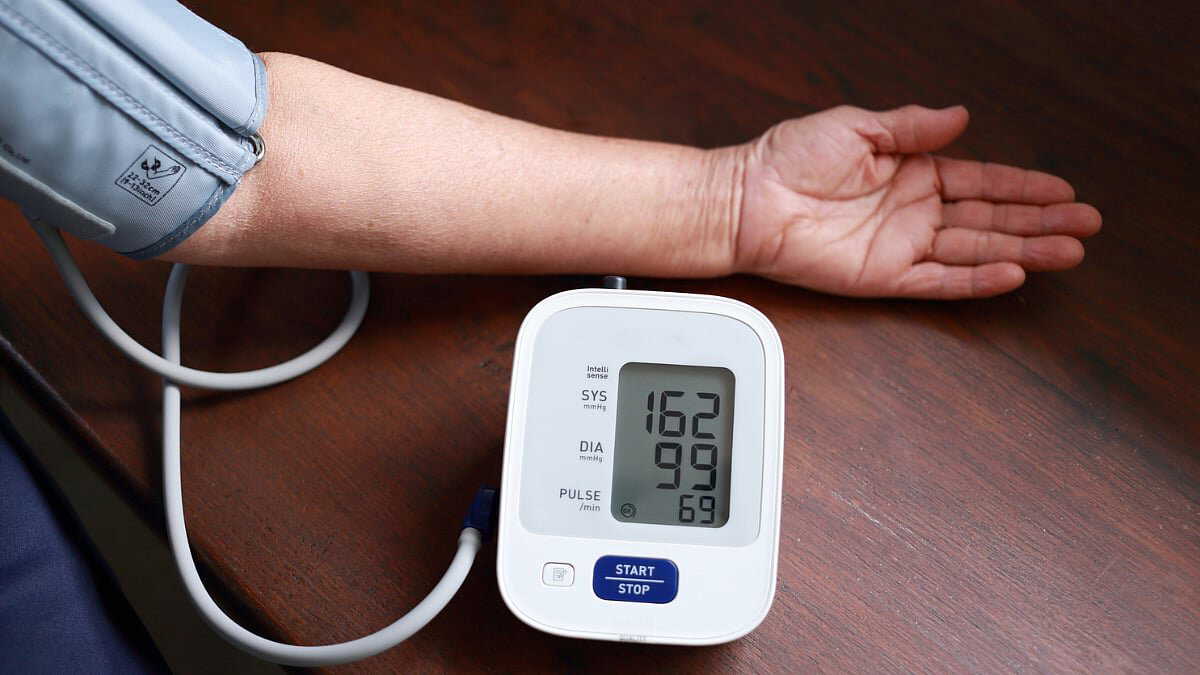
Sedentary lifestyles are reducing life expectancy. Sitting in one place for long periods and lack of physical activity are becoming causes of disease. Doctors repeatedly say there's no need for heavy exercise even a little walking can keep you healthy. The habit of brisk walking can protect you from multiple diseases, one of which is high blood pressure.
What problems arise in the body due to high blood pressure or hypertension is fairly well known to everyone. Blood pressure rises silently. And when it rises, heart disease strikes. Therefore, there's no room for complacency with rising pressure. If you have high blood pressure, you must take medication daily. Along with that, walking is also essential.
How does walking help control blood pressure?

Research has shown that walking at a moderate pace for at least 20 minutes, three to five days a week, can reduce systolic blood pressure (the upper number). At the same time, diastolic blood pressure (the lower number) and heart rate also decrease somewhat. According to the American Heart Association (AHA), the habit of brisk walking for at least 150 minutes per week or 30 minutes daily significantly reduces the risk of heart disease, stroke, type 2 diabetes, and high blood pressure.
Also Read | Waiting for sakura? AI is making Japan’s cherry blossom predictions more precise
Improves blood vessel health

Walking not only keeps blood pressure normal but also improves blood vessel health. Flexibility increases. As a result, blood can flow easily. Additionally, cholesterol or plaque cannot accumulate in blood vessels. Moreover, walking increases nitric oxide production in the body, which helps keep blood vessels relaxed and blood pressure normal.
Helps control weight
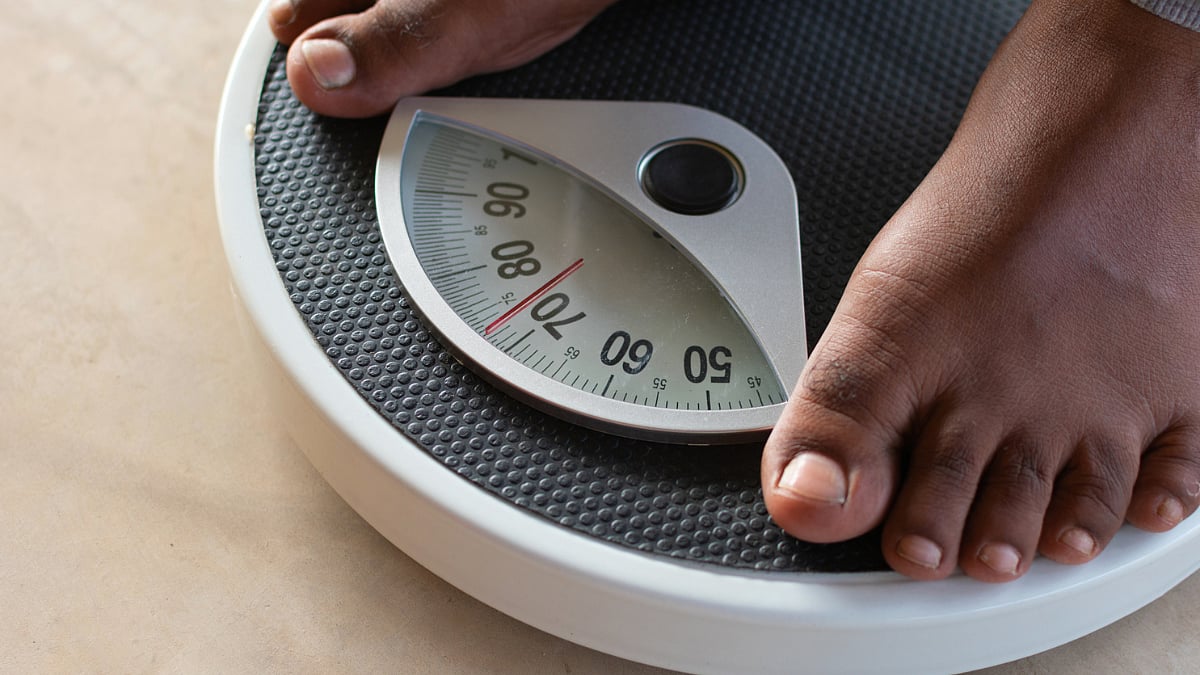
When weight increases, blood pressure also rises. There's no need to go to the gym daily to lose weight. Walking briskly burns fat. Research has shown that reducing just 5–10% of total body weight normalizes blood pressure. Along with that, the risk of chronic diseases like heart disease and diabetes can also be avoided.
Reduces mental stress

You can't just blame diet or lack of exercise for rising blood pressure. Excessive mental stress also increases pressure. And walking reduces stress. During brisk walking, endorphins (happy hormones) are released in the body, which help reduce mental stress. At the same time, it reduces cortisol levels. Especially walking in greenery, in nature's lap, keeps the mind better.
Also Read | Are dating apps losing charm? Study shows Indian youth growing tired of swiping
How many days a week or for how long should you walk?

Regular walking is necessary to reduce blood pressure. Daily walking provides the best benefits. If you can do even 30 minutes of brisk walking daily, that's sufficient. During walking, your heart rate will increase, you'll sweat, you'll breathe heavily, this is normal. Additionally, you should walk 7-10 thousand steps throughout the day. This will improve overall health.