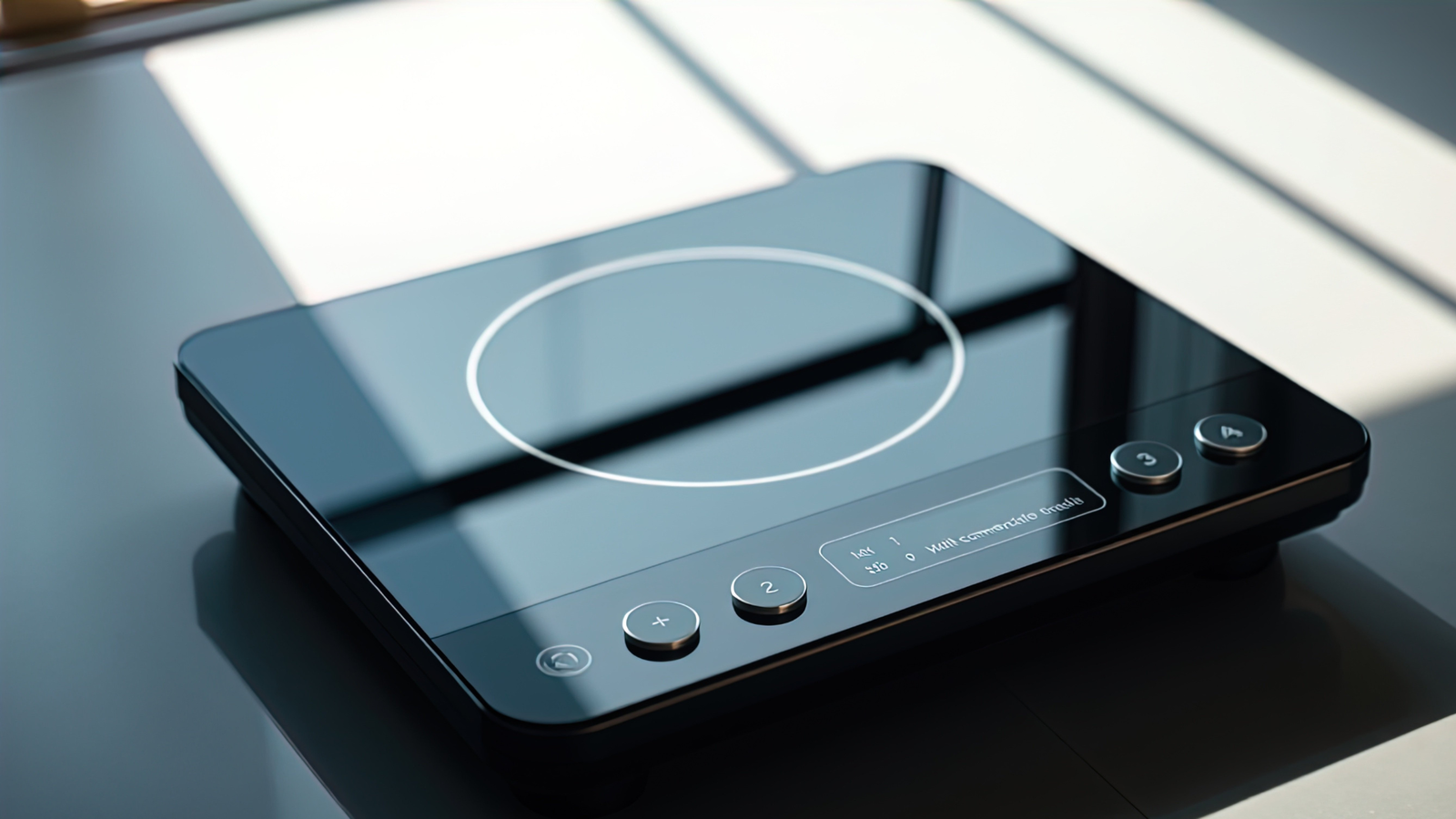
The price of LPG cylinders used in household kitchens has increased by ₹60 in one go, adding to the burden on consumers. At the same time, the ongoing West Asia conflict has created a shortage of LPG cylinders in several places. Amid this situation, many households are turning to induction ovens as an alternative cooking option.
However, several users are facing difficulties while using induction cooktops for the first time, as not all types of regular cookware are compatible with them. Induction stoves require special cookware with magnetic properties in order to generate heat and cook food effectively.
Why don’t all cookware work on induction stoves?
Induction ovens generate heat using electromagnetic fields rather than a direct flame. In this process, heat is produced directly at the base of the cookware instead of the stove surface. Because of this mechanism, the cooking vessels must be made of magnetic materials such as iron or certain types of stainless steel. If the cookware does not have magnetic properties, the induction oven will not detect it and therefore will not generate heat for cooking.
Aluminium cookware
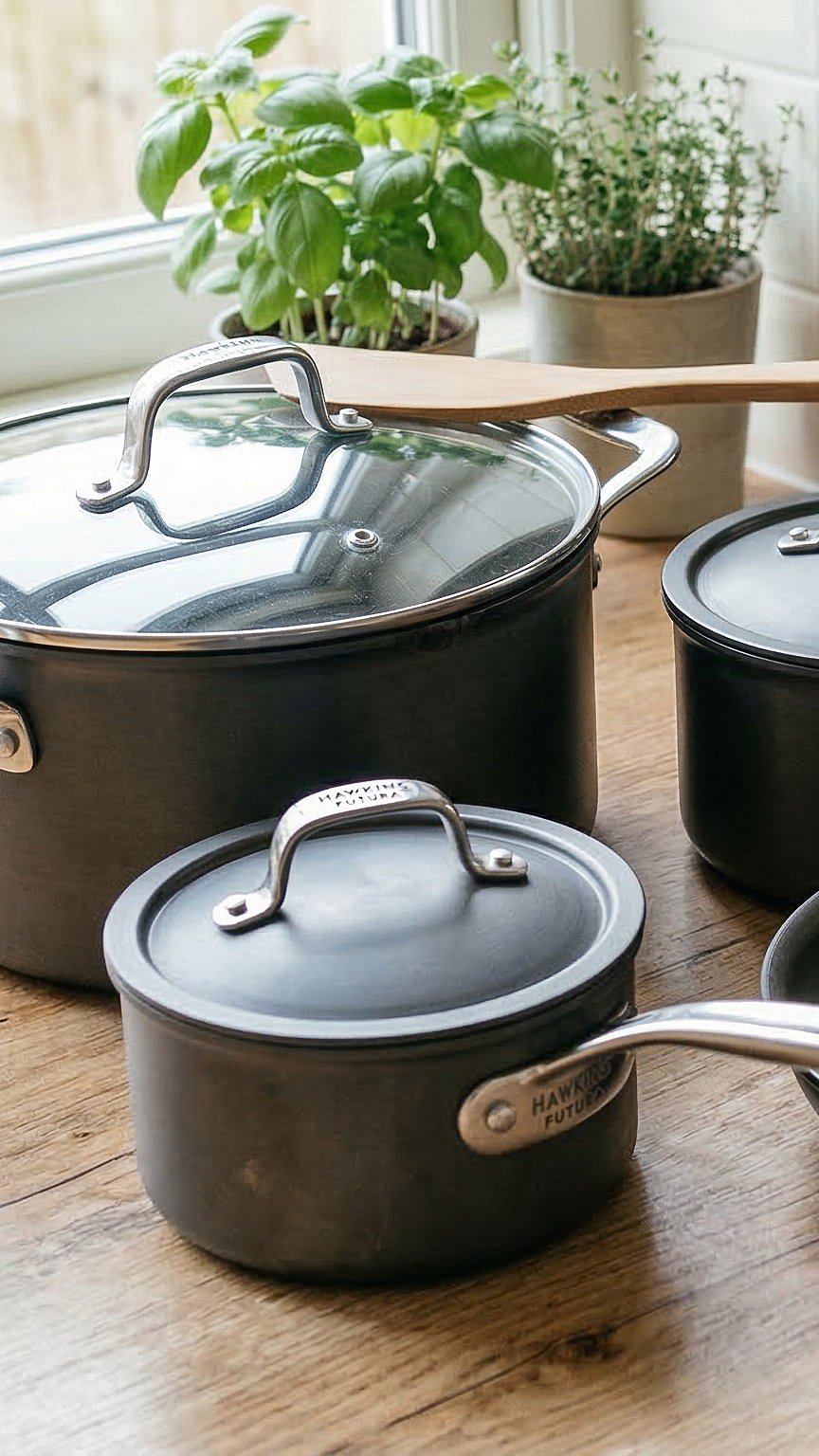
Generally, aluminium pans or pressure cookers are most common in kitchens. Although this metal is lightweight, it has no magnetic capacity. Therefore, cooking with aluminium cookware on induction is impossible unless there is a separate steel layer attached at the bottom.
ALSO READ | Want to escape the summer heat? - Here are 6 hill stations you can visit
Copper cookware
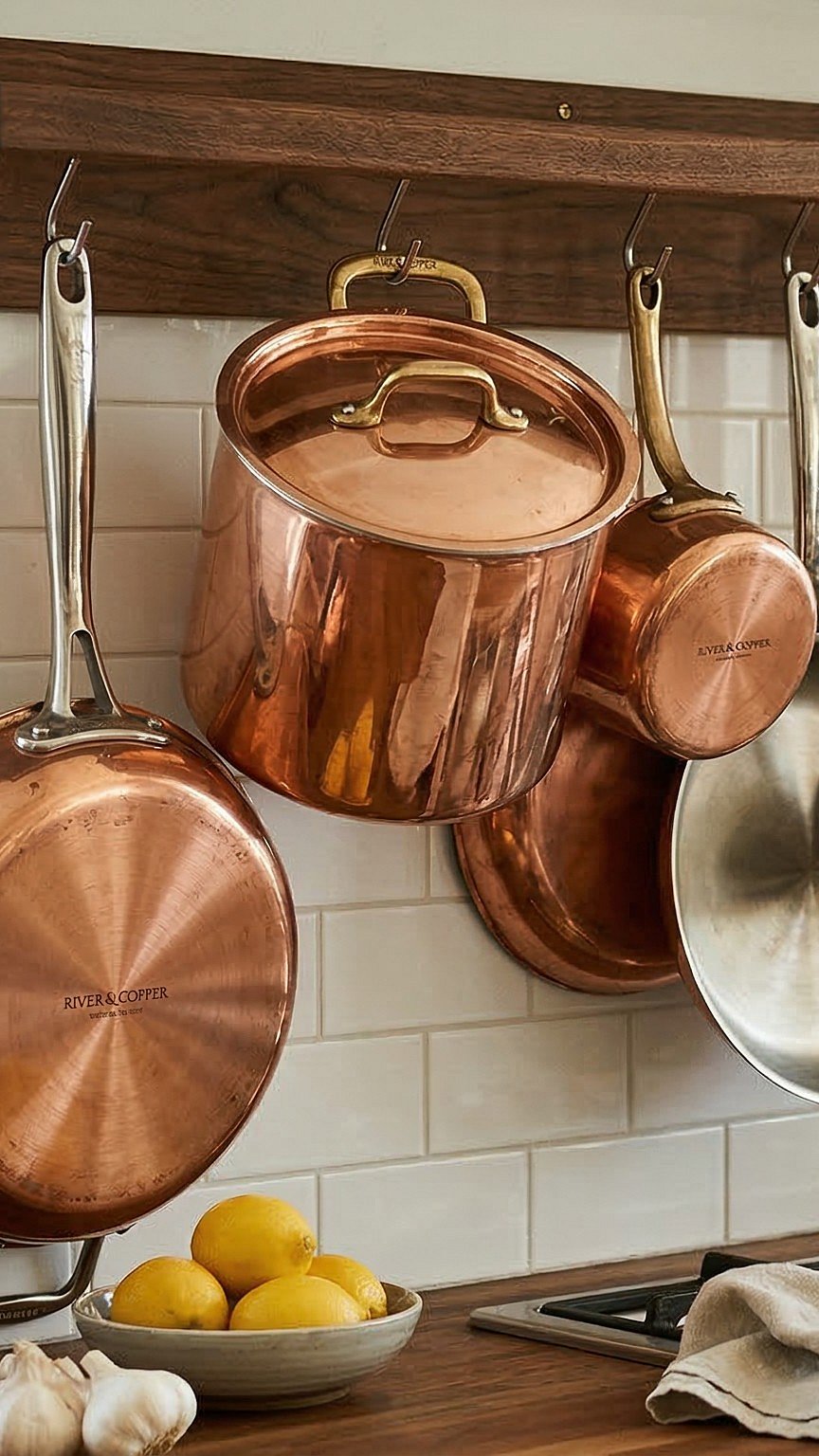
Many people use copper saucepans or pots for professional cooking or as a hobby. Although copper can control heat very well, it is not induction-friendly. Since copper lacks magnetic properties, it does not create any reaction with induction ovens.
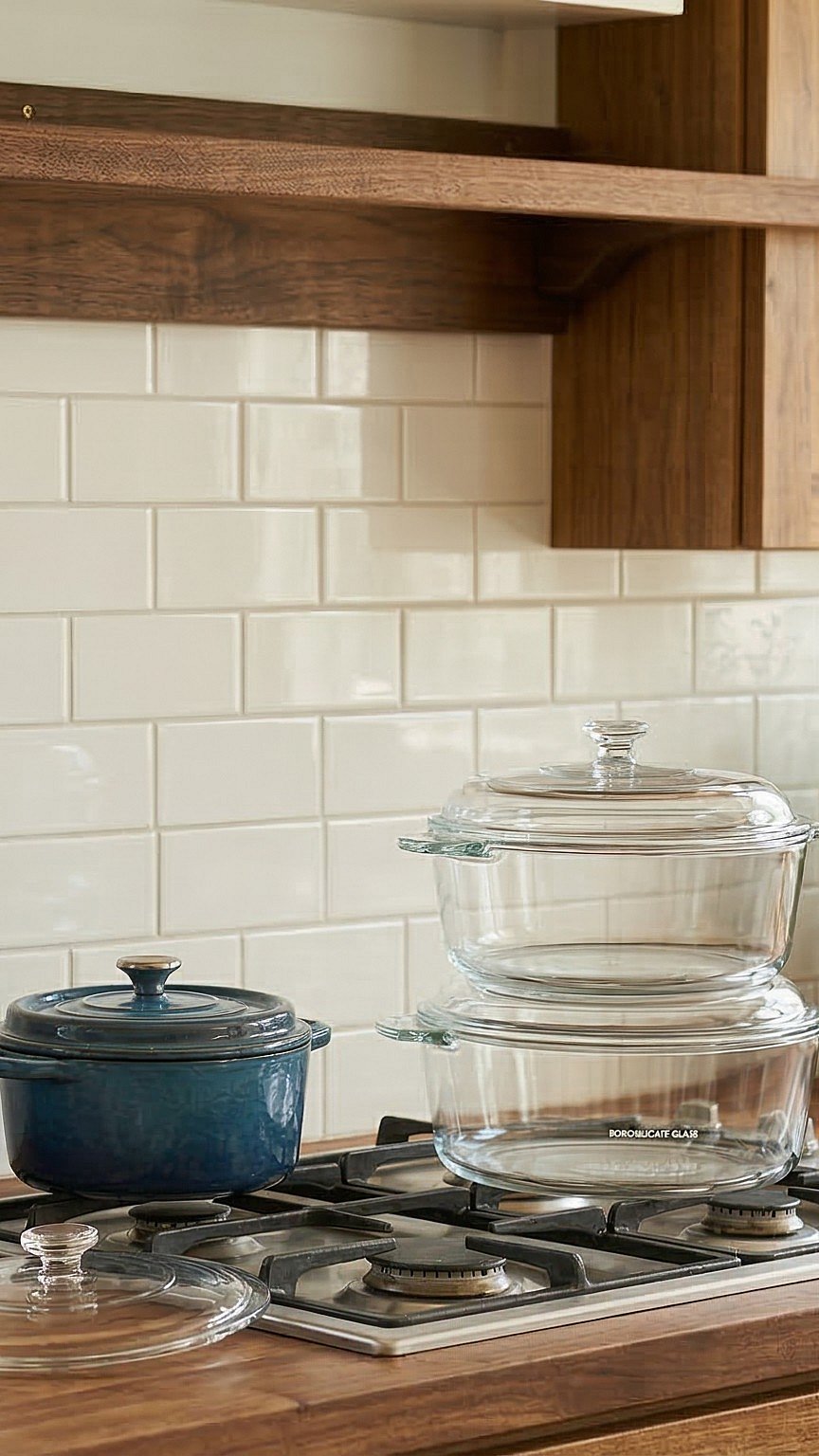
Glass and ceramic cookware
Glass and ceramic cookware are extremely popular for baking or microwave use. However, these cookware are completely useless for induction cookers. Since they contain no metal, magnetic fields cannot function.

Clay pots
Many people prefer clay pots or vessels for flavour in traditional cooking. These vessels made of fired clay cannot conduct electricity or magnetism. Therefore, cooking with clay cookware on induction is not possible.
ALSO READ | What is microsleep? Experts explain the risks of sudden sleep episodes during work or driving
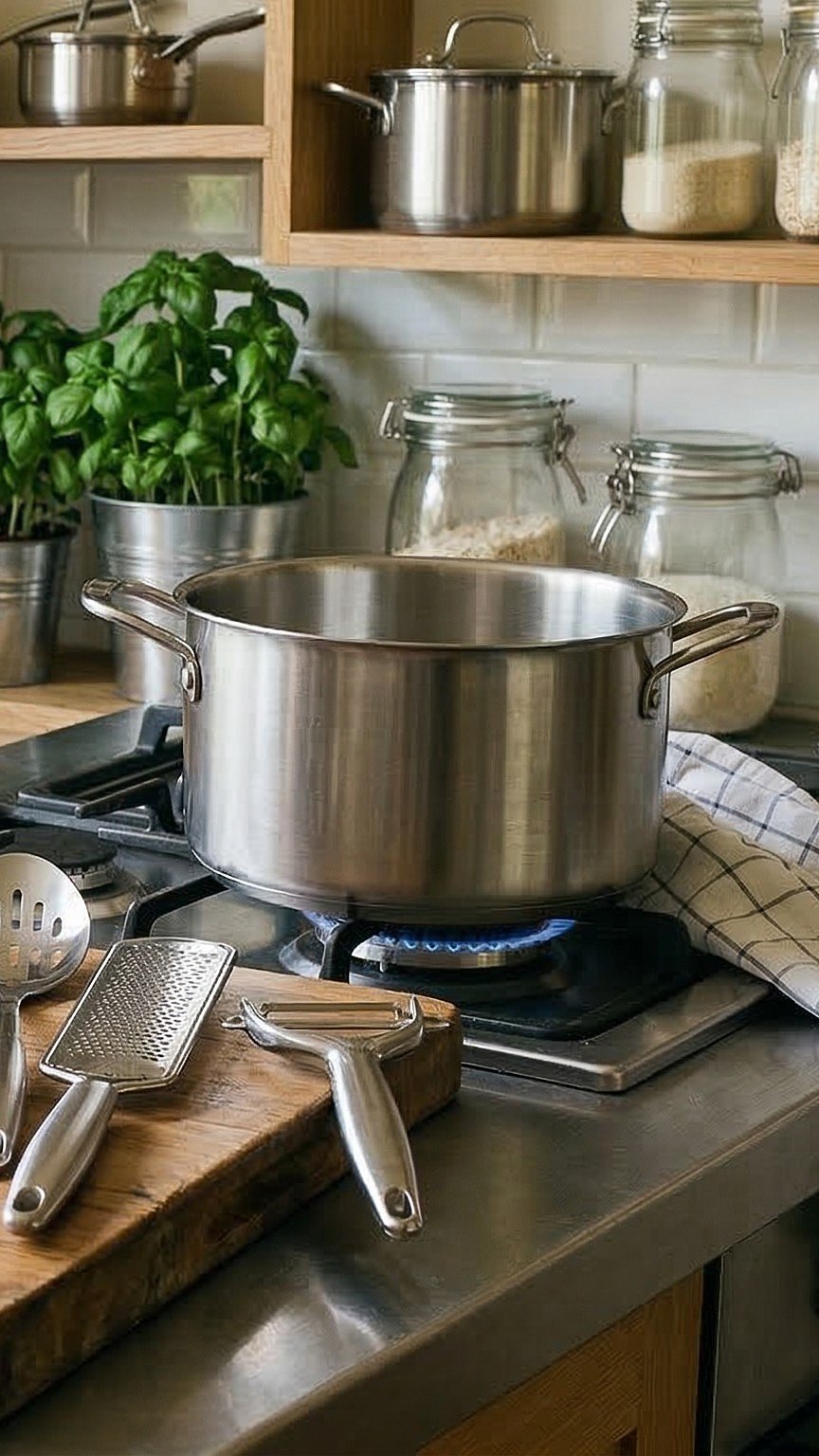
Not all stainless steel
Many people assume that all types of steel cookware might work on induction. Actually, not all types of stainless steel have magnetic properties. If a magnet doesn't stick to your steel cookware, then it won't work on this induction oven.
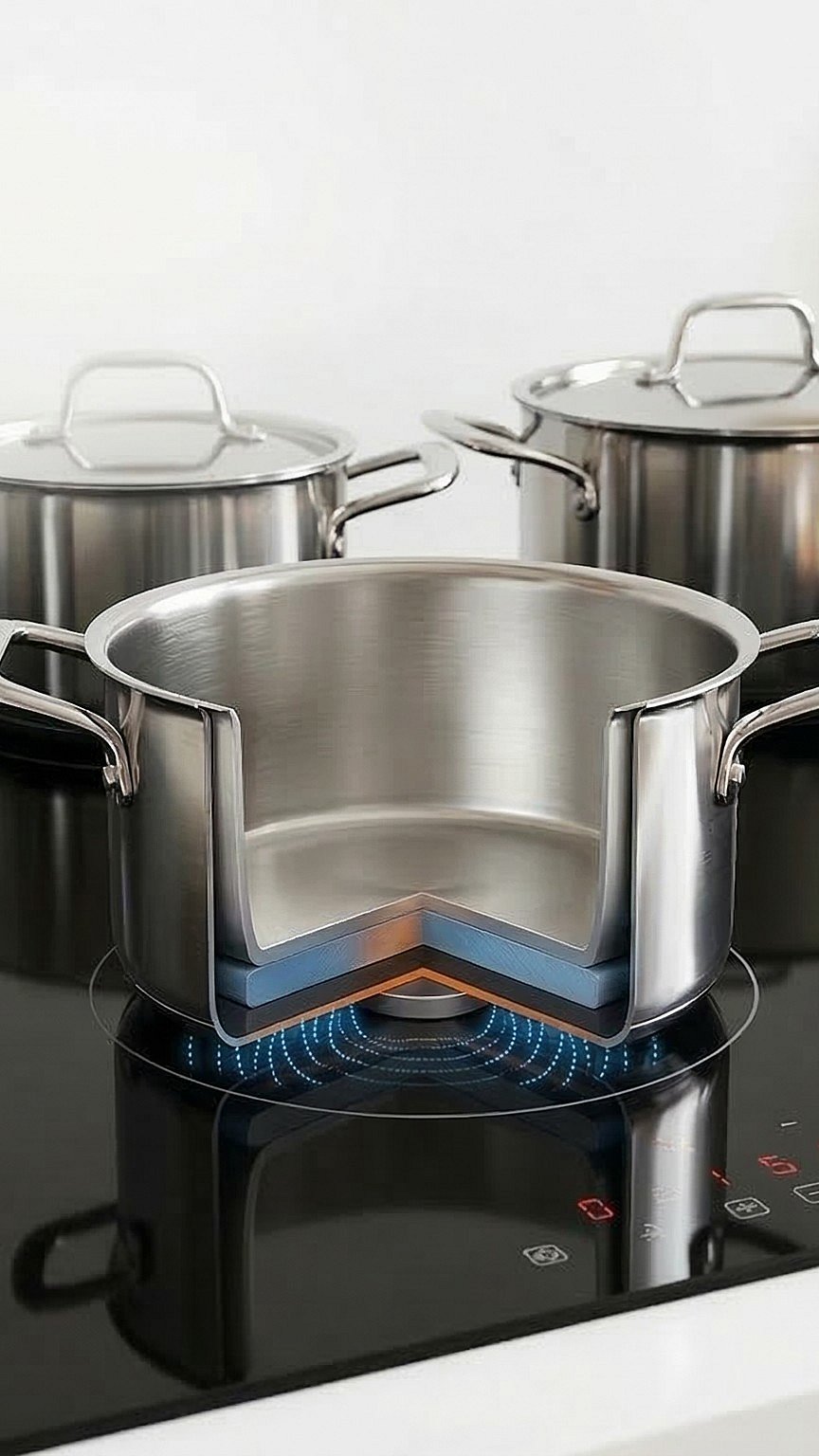
How to test cookware
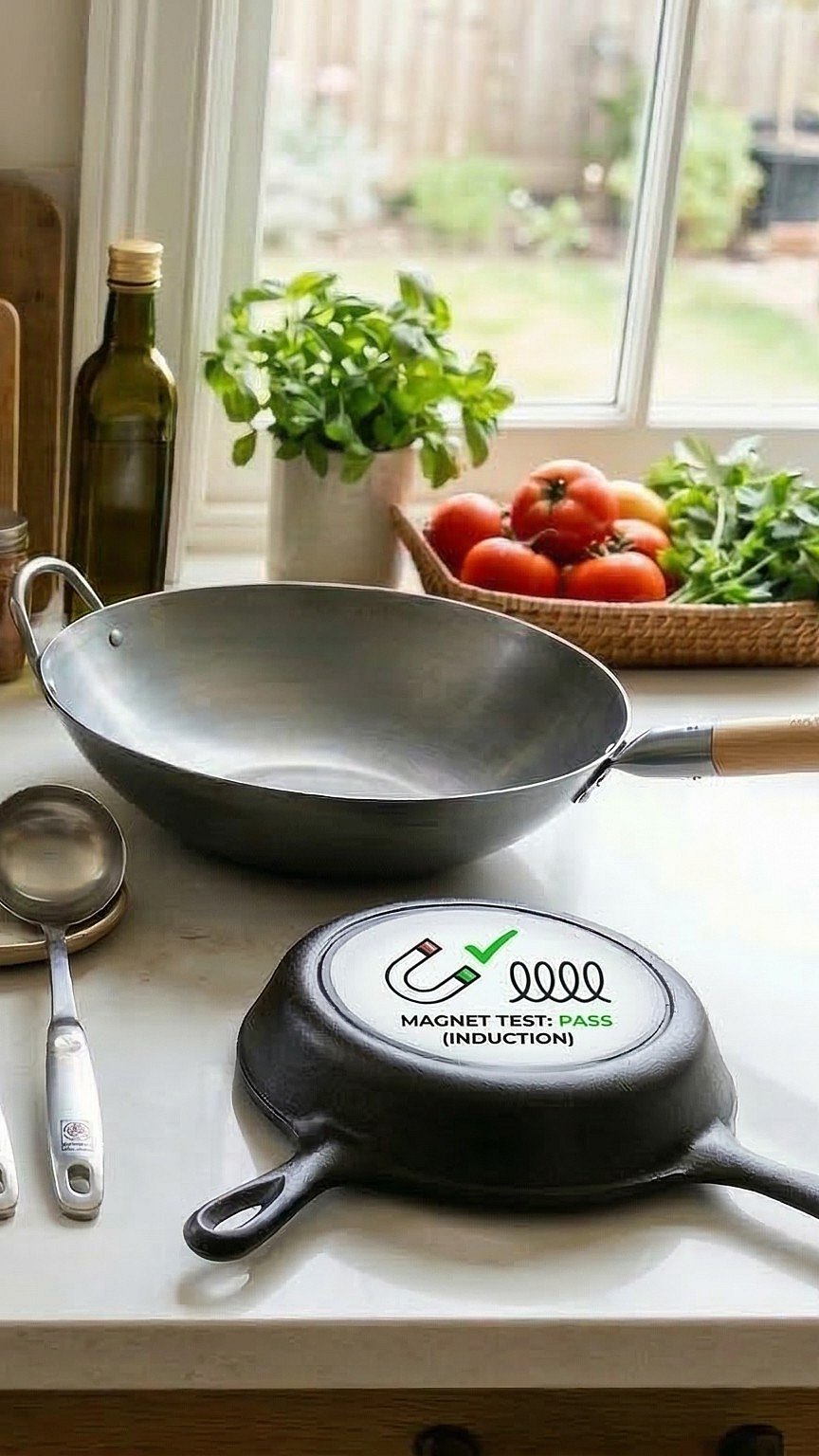
The simple way to understand whether your purchased cookware will work on induction is with a magnet. Hold a magnet against the bottom of the cookware. If the magnet sticks firmly, then you'll know it's suitable for induction cooking.
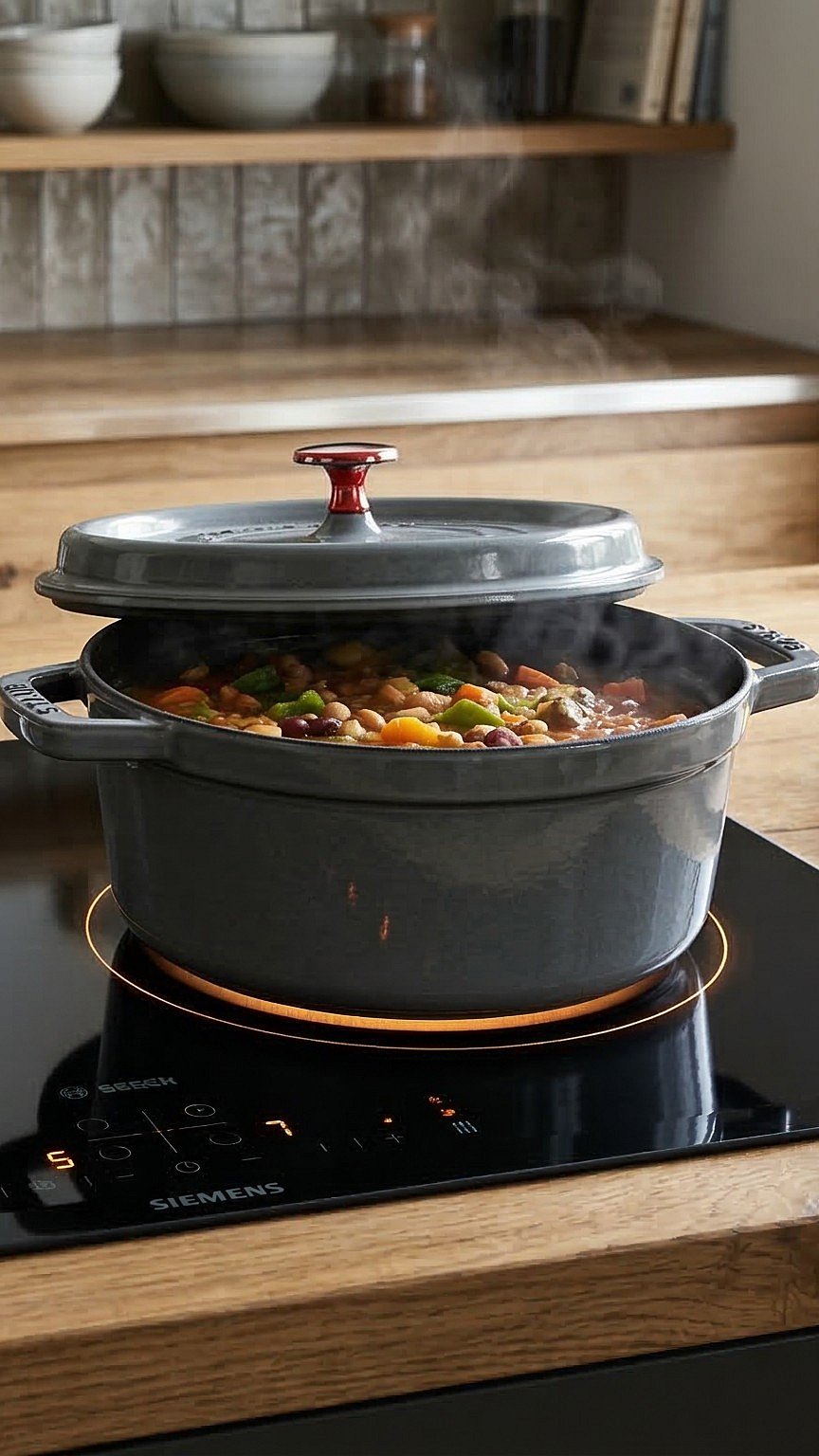
Cast-iron pans are the best for induction. Magnetic stainless steel or enamelled steel cookware can be used easily. Besides, 'induction base' cookware is now available separately in the market.
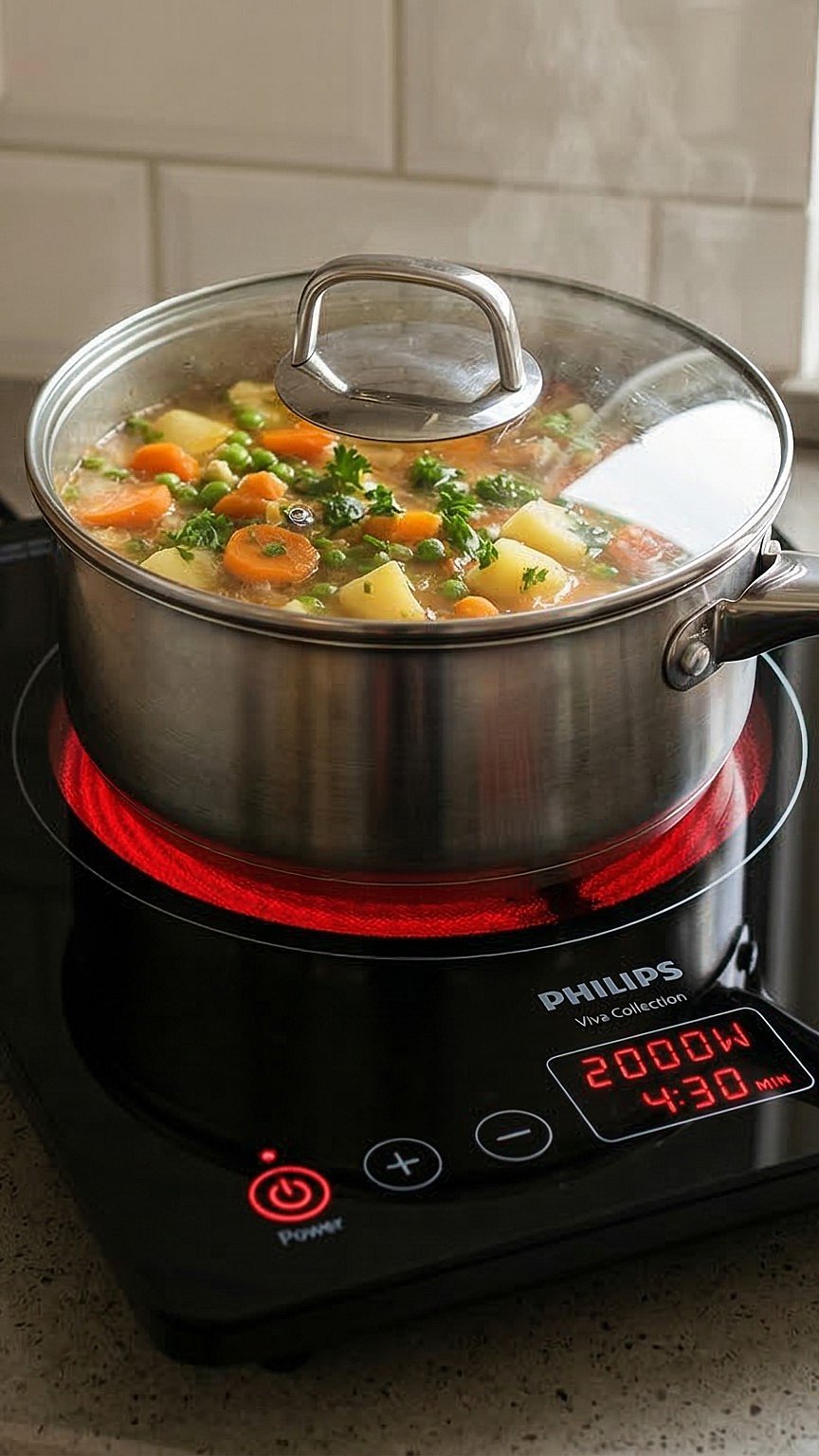
Solution to the problem
Now, many companies are adding a steel layer at the bottom of aluminium cookware. As a result, those vessels can now also be used on induction. When buying cookware, you must check for the 'induction compatible' symbol on its package. If you don't use the right cookware, the oven's sensor won't be able to detect the vessel. As a result, cooking won't happen, and both your time and effort will be wasted. The induction might even get damaged.