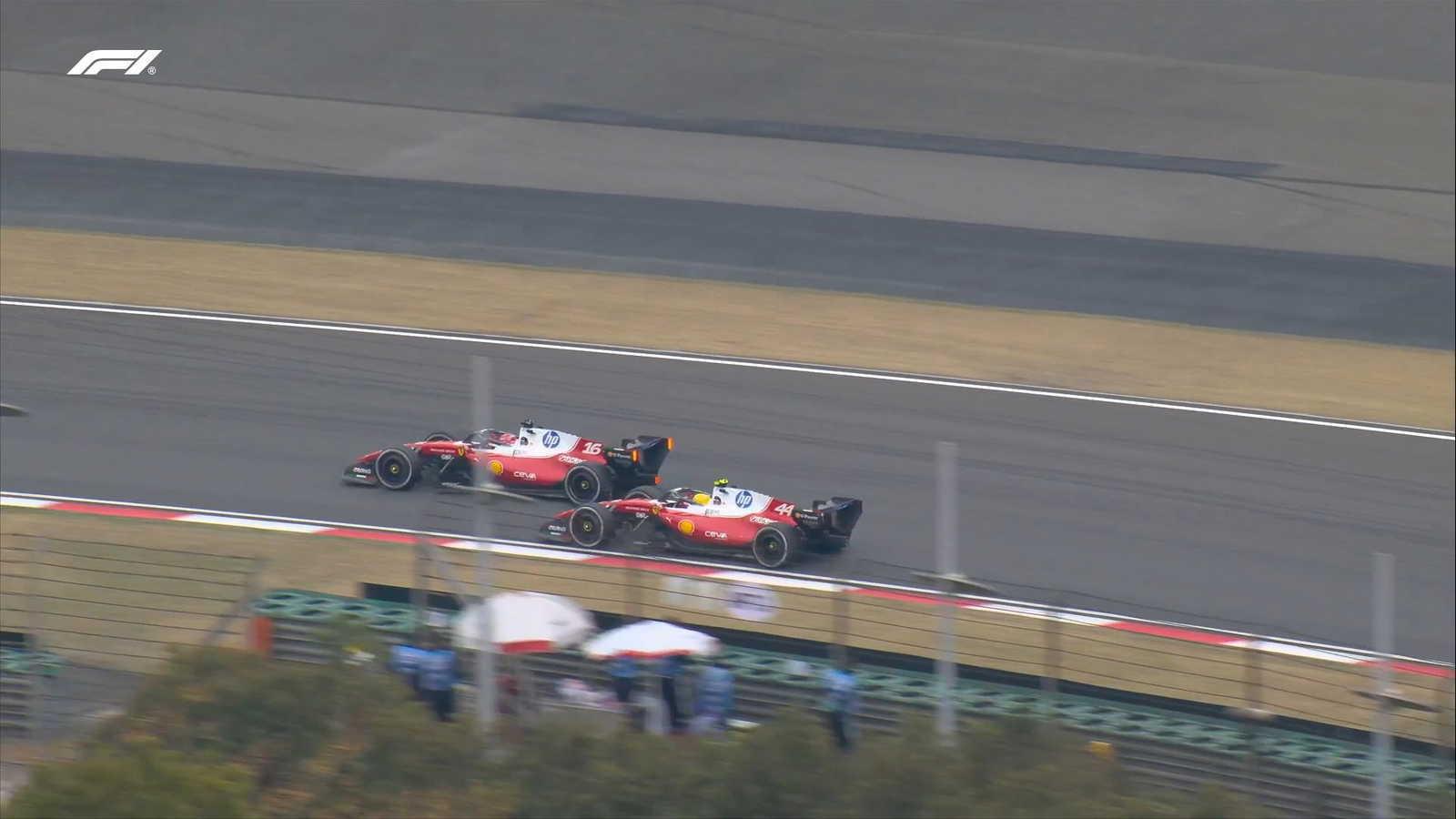
Formula One is preparing for one of the biggest technical changes in its modern history as new regulations set to be introduced in 2026 aim to transform both the cars and the competition. The new rules are designed to make the sport more sustainable while also improving the quality of racing. Formula One cars already reach speeds of more than 200 miles per hour, making the championship one of the fastest and most technologically advanced motorsports in the world.
From engine designs to aerodynamics, the upcoming regulations are expected to reshape how teams build their cars and how drivers approach racing.
Major engine and sustainability changes planned
One of the most significant changes involves the power units that drive Formula One cars. The 2026 regulations will increase the role of electric power in the engines while maintaining the hybrid concept already used in modern F1.
The aim is to make the sport more environmentally sustainable while still keeping the high-performance identity that defines Formula One. The new engines will rely more heavily on electrical energy and use fully sustainable fuels, marking a major shift in how the sport approaches technology and environmental responsibility.
Manufacturers see the change as an opportunity to showcase innovation, with several automotive companies showing interest in joining the championship under the new rules.
Also Read | Saina Nehwal backs 21-point format, cautions BWF over proposed 3x15 scoring change
Teams face challenge of adapting to new car designs
Alongside the engine changes, the design of the cars themselves will also evolve. Adjustments to aerodynamics and chassis development are expected to influence how cars handle airflow and speed on the track.
Such regulation resets often shake up the competitive order in Formula One. Teams that adapt quickly to the new technical framework could gain a crucial advantage, while others may struggle to keep pace in the early seasons.
Because success in Formula One depends on both driver ability and the engineering strength of the car, changes in design rules can dramatically shift the balance of power between teams.
Also Read | India settle for silver but confirm place in Women’s Hockey World Cup
As the 2026 era approaches, the sport is preparing for a period of uncertainty and innovation. For fans and teams alike, the new regulations could mark the beginning of a fresh chapter in Formula One history.