An independent country, yet it has no airport of its own. It doesn’t even have its own currency. Despite this, Liechtenstein is known as one of the wealthiest nations in Europe, with a GDP higher than many countries across the continent and beyond.
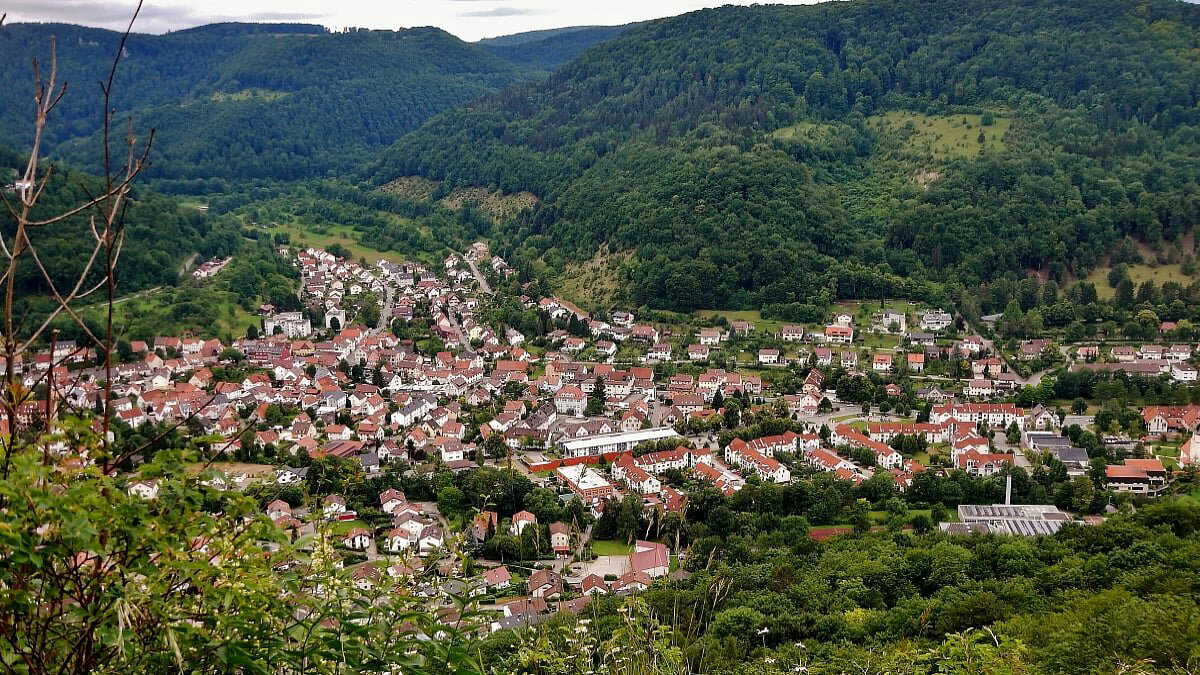
Nestled between Switzerland and Austria, this landlocked nation covers just 160 square kilometres and has a population of around 40,000.
One of this country's distinctive features is that, despite being independent, it has no currency or monetary system of its own. Financial transactions are conducted through the Swiss franc, the currency of neighbouring Switzerland. Reportedly, due to an ancient economic agreement with Switzerland, Liechtenstein has no currency of its own.
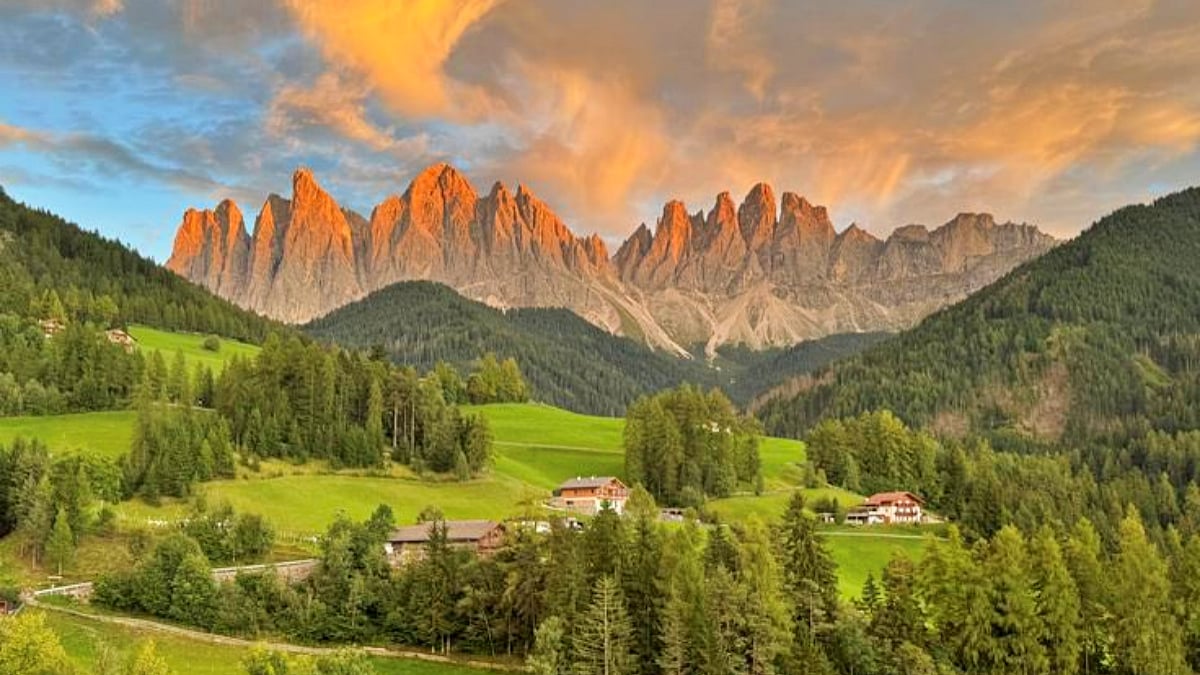
According to World Bank calculations in 2023, this country's GDP per capita was $207,974, which is higher than that of many developed countries. The country's total GDP (PPP) amounts to $7.172 billion. And the total nominal GDP amounts to $8.288 billion.
ALSO READ | Can a robot perform surgery on a 1-month-old baby? Doctors in Bengaluru just proved it can
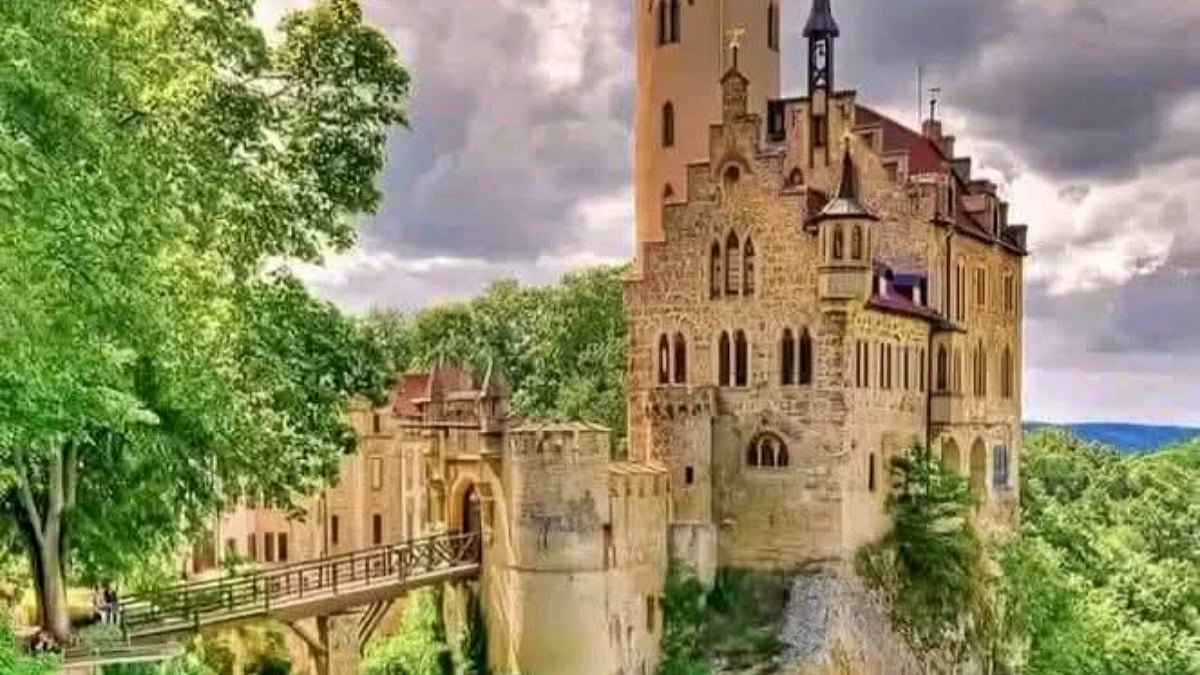
Not just currency. Liechtenstein has no port or airport of its own, either. For international air services, it depends on Switzerland's Zurich airport. To visit this country, tourists land in Zurich and cross the border by road or rail.
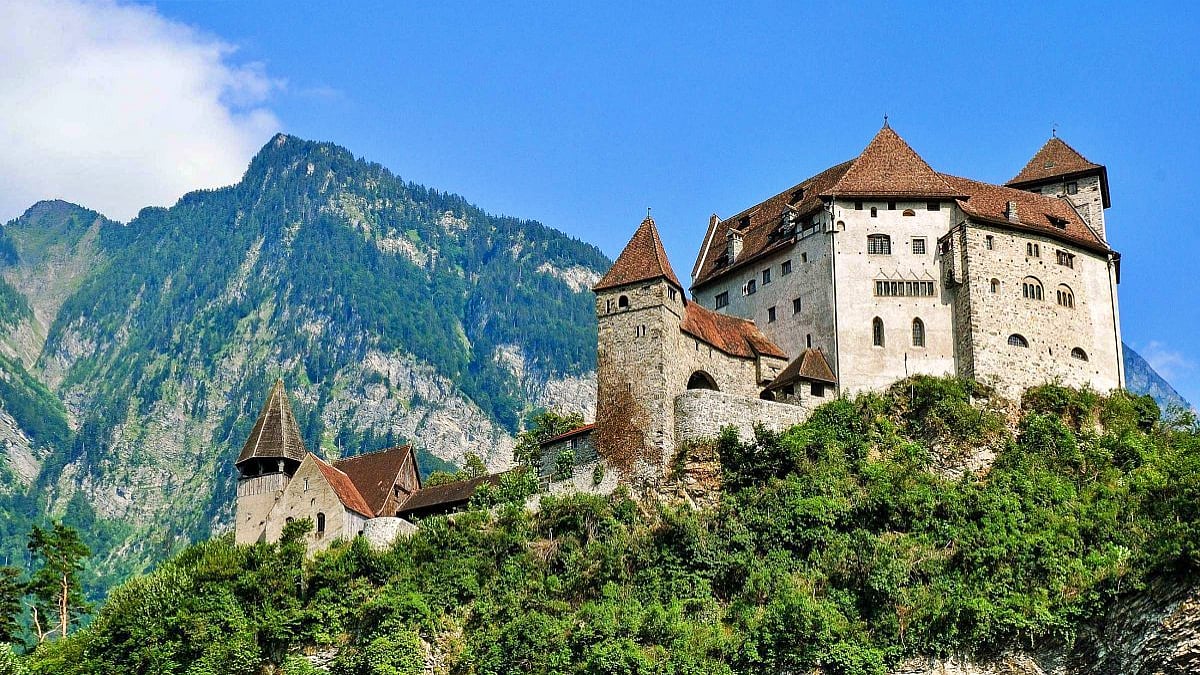
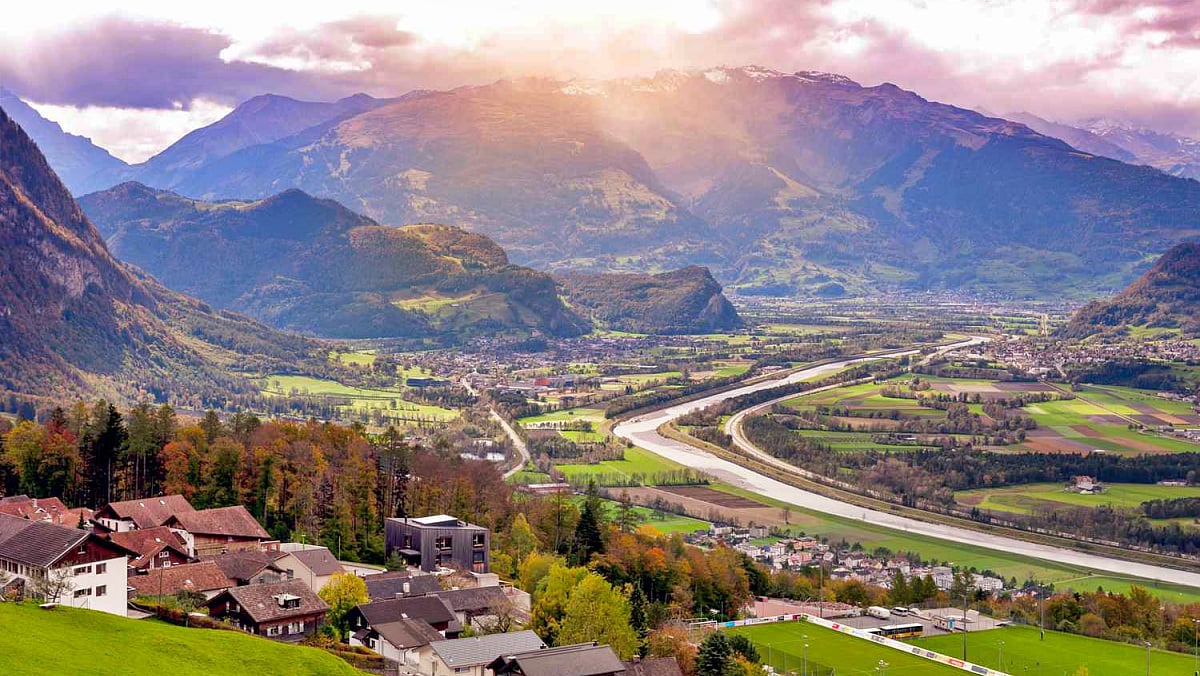
The entire country lies in a mountainous region, leaving very little flat land required to build an airport. As a result, no airport has been constructed there.
Despite its small size, Liechtenstein is highly prosperous. Its domestic market is limited, but the country has a strong presence in international markets. Products such as electronics, dental equipment, and advanced machinery from Liechtenstein are in high demand globally.
ALSO READ | Did you know this Karnataka city is India’s ice cream capital?
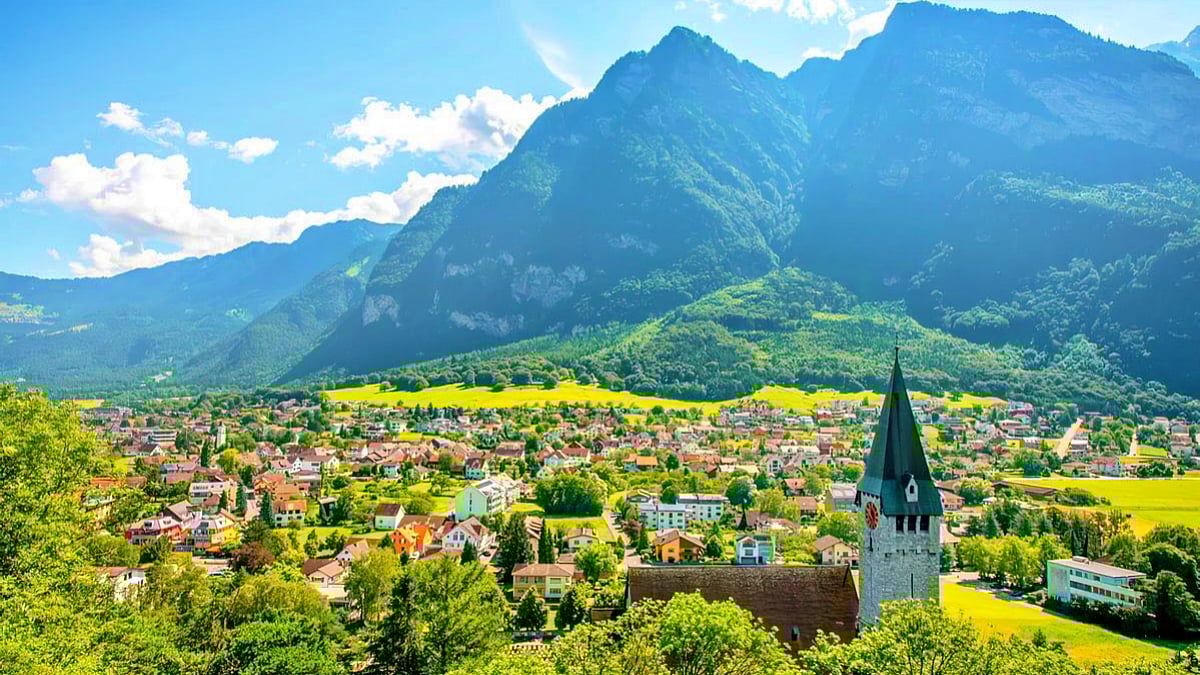
The country’s economic growth is also driven by its policies and regulations. One key factor is its relatively low tax rates compared to many other European nations. Additionally, Liechtenstein is a member of the European Economic Area, which further supports its strong economic position.