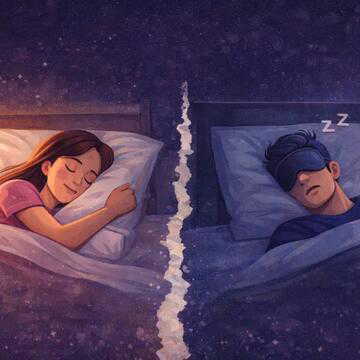
A good night’s sleep is very important for our health, our minds, and our emotional state of well-being. But are we aware that our daily habits are affecting our sleep patterns unconsciously? On World Sleep Day, sleep specialists say that our behavioral patterns, even if done unconsciously, can affect our sleep patterns significantly.
According to a report by Firstpost, Dr. Ravichandra MRK, Senior Consultant Physician and Clinical Lead of Sleep Medicine, Narayana Health City, explained some of our habits that are affecting our sleep patterns adversely.
Also Read | Not just fuel crisis, could Iran war affect India too? Astrological calculations predict major fallout
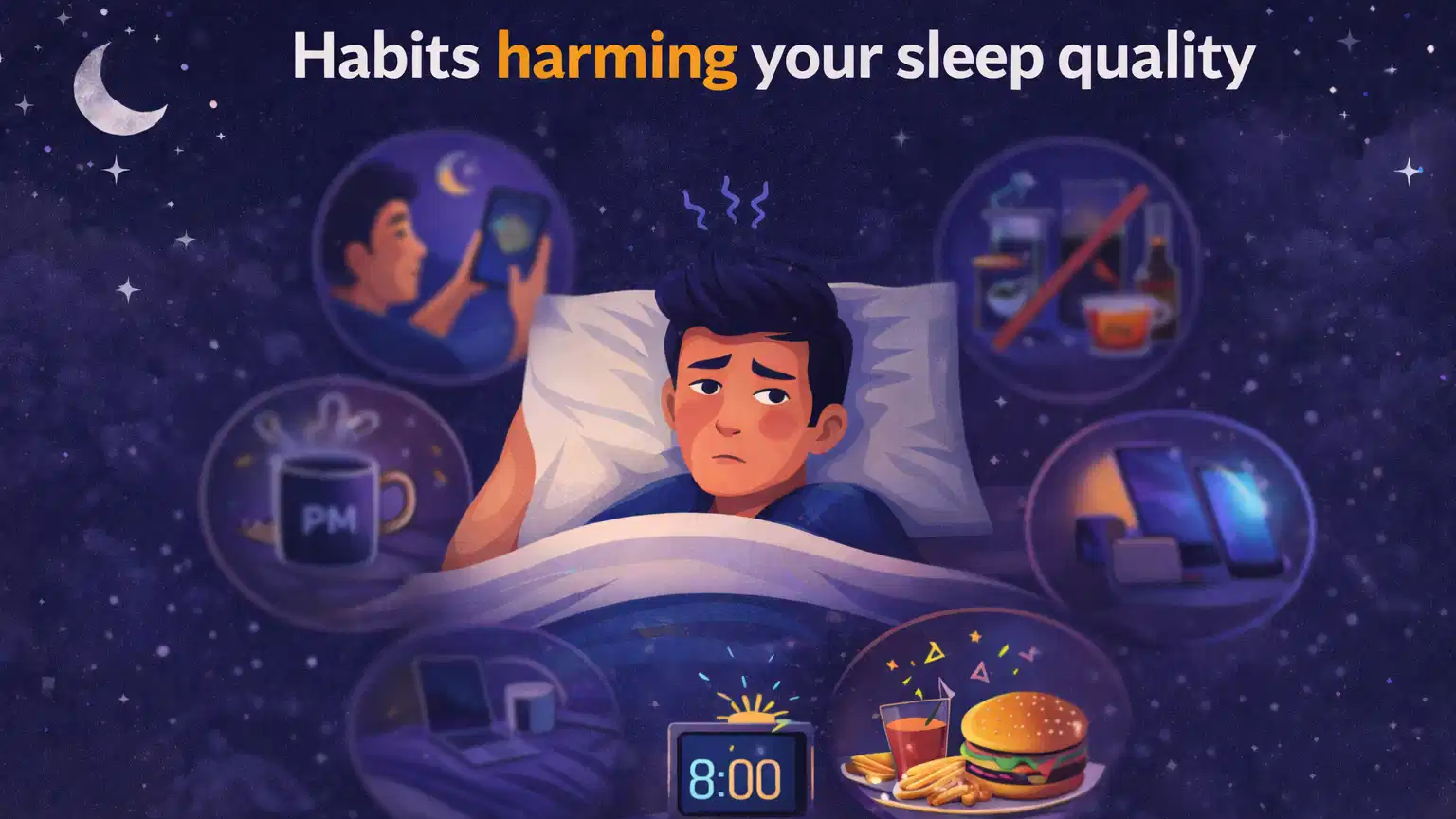
Seven habits that may be sabotaging your sleep
Revenge bedtime procrastination
According to Dr. MRK, “revenge bedtime procrastination” is a situation that occurs when an individual sleeps less as a way of getting personal time after a busy day.
“When your day is packed with demands from work, family or chores, you feel a freedom deficit,” he said. “By the time bedtime arrives, people stay awake not because they are not tired but because it is the only time they feel they control.” This is the time when people usually watch videos on their phones, pushing sleep further into the night.
Consuming caffeine late in the day
Caffeine is often used by people to help them get over the afternoon slump. Nevertheless, caffeine works by blocking adenosine, which is a chemical that causes sleepiness.
"Because caffeine blocks the chemical that signals tiredness, you don’t feel sleepy even when your body needs rest,” Dr. MRK said. He advises people against consuming caffeine in the afternoon or during lunch and instead opt for herbal tea or a walk.
Using the bed as a workplace
Doing work or even checking emails in bed may trick the brain into thinking that the bed is a place for stress rather than sleep. "When you work or eat in bed, you teach your nervous system that the bed is a place for activity and stress.”
In the end, this may cause a “cognitive arousal” that occurs when the brain becomes hyperactive the moment a person lies down.
The ‘nightcap’ myth
Alcohol is commonly used to aid sleep. However, experts claim that it interferes with the sleep pattern. “Alcohol helps you fall asleep initially, but as the body metabolises it, sleep becomes lighter and fragmented,” Dr. MRK said.
Irregular wake-up time
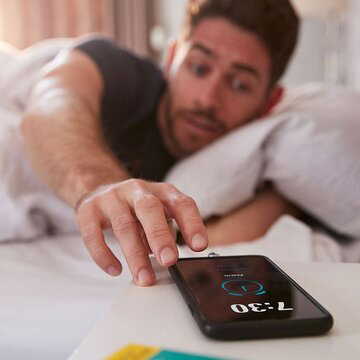
Sleeping in late during weekends may seem like a way to recover lost sleep, but it can disrupt the body’s internal clock.
Dr. MRK said this pattern creates what researchers call “social jetlag,” where the body’s circadian rhythm shifts repeatedly during the week. Maintaining a consistent wake-up time within a one-hour window each day can help stabilise sleep cycles.
Bright light exposure before bed
Artificial bright light can delay the release of a hormone that controls sleep. The hormone is called melatonin. Exposure to bright light at night can delay the release of this hormone.
“Blue light from screens mimics daylight and signals the brain to stay alert,” the doctor said. “Even a short exposure to bright light before bed can delay the body’s natural sleep signals.”
Also Read | Did you know Mount Everest has two other names? Here’s what Nepal and Tibet call it
Heavy late-night meals
Consuming heavy and spicy food before bedtime can affect sleep. The body focuses all its attention on digestion. "Digestion increases body temperature and redirects blood flow to the gut,” Dr. MRK explained. “For deep sleep to occur, body temperature needs to drop.”
Experts recommend finishing dinner at least three hours before bedtime to allow the body to wind down.
Why small habits matter
Sleep specialists indicate that many people often focus on issues like stress or medical problems when seeking solutions for insomnia; however, habits may be a major contributor to sleep problems. According to sleep specialists, by adjusting habits like screen time or sleep timing, individuals may greatly improve their sleep.