An insurance scam allegedly related to expeditions on Mount Everest has led to charges against 32 individuals, nine of whom have so far been arrested.
According to a report by Kathmandu Post, investigators claim that trekking guides deliberately made climbers ill to justify emergency helicopter evacuations, which were later used to file inflated insurance claims.
How the alleged scam worked
The alleged scam is based on findings by Nepal’s Central Investigation Bureau (CIB), according to the Kathmandu Post. These findings have revealed several methods through which the alleged scam was perpetrated.
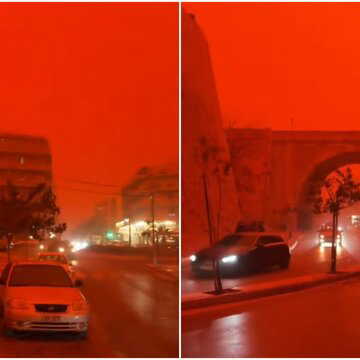
Also Read | 'Looks like sky loaded apocalypse filter': Greece turns red after Saharan dust storm
Some of the methods included the use of Acetazolamide, commonly referred to as Diamox, which was mixed with food and water by the guides. This led to conditions resembling altitude sickness, which was used as grounds for emergency helicopter evacuation.
Other instances involved those who did not want to descend from the mountain being given the opportunity to “fake” their sickness. This was followed by arrangements by the guides for helicopter rescue.
After the initiation of rescue operations, several people were transported by one helicopter. However, full charges were billed separately to each individual’s insurer. Investigators allege that fake flight manifests and load sheets were created to support these claims.
Hospitals, paperwork and payouts
This alleged scam is said to have extended beyond the mountain range. In medical facilities, some officials are accused of producing false discharge reports and misusing digital signatures of senior doctors, sometimes without their knowledge.
In addition, some “patients” were allegedly found to be undertaking their normal activities, casting doubt on the authenticity of the medical emergencies.
The authorities have estimated that this scam earned at least $19.69 million (over ₹185 crores) in fraudulent insurance claims.
Investigation and arrests
The CIB has so far charged 32 people, including those affiliated with helicopter services, hospitals, and tourism operators. Nine have been arrested so far, while some are reportedly on the run.
The investigation began after a complaint lodged in September 2025 by a citizen group named Deshbhakta Gen Z. There were earlier warnings as early as 2018 when a government panel suggested strengthening the oversight of rescue operations and medical reporting, which were not fully enforced.
The CIB head, Manoj Kumar KC, told the New York Post that poor law enforcement contributed to the scam. “When there is no action against crime, it flourishes,” he said.