New York City Mayor Zohran Mamdani on Wednesday said he would encourage Britain's King Charles to return the Koh-i-Noor diamond to India. His remarks came during the monarch's ongoing visit to the United States.
Speaking at a press conference ahead of a commemorative event, Mamdani said, "If I were to speak to the king separately from that, I would probably encourage him to return the Koh-i-Noor Diamond." The comment drew attention to a long-standing demand from India regarding the historic gem.
Also Read | What if Earth could spell your name? NASA just made it happen
Interaction at 9/11 memorial event
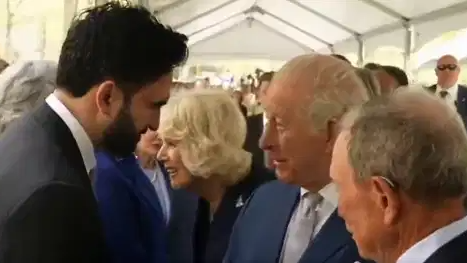
Later in the day, Mamdani and King Charles met at a ceremony marking the victims of the September 11, 2001 attacks. The British monarch laid a floral tribute at the memorial site where the World Trade Center's twin towers once stood.
It remains unclear whether the issue of the diamond was discussed during their interaction. Buckingham Palace declined to comment, and Mamdani's office did not respond to queries on the matter, per NDTV.
India's long-standing claim
India has repeatedly called for the return of the 105-carat Koh-i-Noor diamond, describing it as part of its cultural and historical heritage. The diamond's current possession by Britain continues to be a sensitive subject.
India has earlier stated that the gem is a "valued piece of art with strong roots in our nation's history". The demand is tied to broader concerns about artefacts taken during the colonial period.
Colonial-era transfer of the diamond
The Koh-i-Noor was handed over to Queen Victoria in 1850, following the annexation of Punjab by the East India Company in 1849. The transfer came after the diamond was taken from a deposed Indian ruler during British expansion in the region.
Also Read | What happened to the leftover luxury meals after the White House scare?
India gained independence from British rule in 1947, but the legacy of colonisation and associated events continues to shape discussions around such artefacts.
The diamond has passed through several hands over centuries. According to Historic Royal Palaces, it has been owned by Mughal emperors, Iranian rulers, Afghan emirs and Sikh maharajas before coming under British control.